Car Check Tips

Isla
| 24-03-2026
 · Automobile team
We all love the convenience of having a car at our fingertips. Almost every household now has one, making daily life much easier. But do we really know our cars well? Many of us just drive without paying attention to what our vehicles might be “saying.”
Have you ever noticed a strange sound when starting your engine? Or a slight shake in the steering wheel when braking? Maybe your fuel consumption suddenly feels higher than usual. These small signs are your car’s way of sending a warning. Ignoring them may lead to expensive repairs or safety hazards. Let’s take a minute every day to “listen” to our car and catch issues early.
Start Your Day With a Quick Check
The best time to inspect your car is in the morning before you start driving. In just a few seconds, you can gather a lot of information. Start with your ears. A healthy engine should sound smooth and steady, like a calm “hum,” before settling into idle. If you hear rapid “clicking” or “clanking” noises and the engine struggles to start, this may point to a weak battery.
Modern cars rely heavily on batteries, especially for automatic start-stop systems. Batteries usually last three to four years, so if your car is older, checking the battery first is smart. Another possibility is worn spark plugs, which reduce ignition power and cause poor combustion—like trying to light a damp match, frustrating and inefficient.
Use Your Eyes to Spot Warnings
When the engine starts, the dashboard lights up as a self-check. Normally, the lights turn off within 3–5 seconds. If a warning light stays on—like the engine check light or the tire pressure alert—there’s an issue. A tire pressure warning often means underinflated tires. Check each tire with a gauge and compare it to the recommended pressure. If you’re unsure, head to a repair shop. Proper tire pressure is critical for braking performance and avoiding blowouts.
Check the Idle
When your car idles, the tachometer should stay steady—usually 800–1000 RPM for most family cars. If it fluctuates like an ECG line or the idle speed is unusually high or low, it could indicate carbon buildup in the throttle body or fuel system issues. This is your car’s “throat” being blocked, reducing fuel efficiency and risking long-term engine damage.

Feel the Drive
Once on the road, we become the car’s most sensitive sensor. Steering feedback and body vibrations reflect the car’s condition. During braking, a smooth stop should be effortless. If the steering wheel shakes or the car vibrates, the brake rotors may have uneven wear. This reduces contact between brake pads and rotors, lowering braking performance—a serious safety risk. A “soft” brake pedal, requiring more travel to feel braking force, is also dangerous, often caused by low brake fluid or air in the brake lines. Immediate attention is needed.
Steering and Handling
The steering wheel should move smoothly and return properly without unusual noises. If it feels heavy at low speeds, the power steering system may have problems. Check hydraulic fluid in traditional systems or sensors and motors in electric ones. Another sign is if the car drifts to one side on a straight road, often due to misaligned wheels. Misalignment causes uneven tire wear and increases fuel consumption.
Listen for Road Noises
A continuous “humming” that grows with speed may indicate worn wheel bearings—a safety concern. Clunks or squeaks over bumps often point to aging suspension bushings or loose joints. These parts maintain control and comfort. If they fail, the car feels sloppy and unstable.
After Parking: Quick End-of-Day Check
After parking, spend a few minutes checking fluids. Pull the engine oil dipstick, wipe it, and recheck. The oil level should be between MIN and MAX, and the color should be clear yellow. Dark, murky, or milky oil means it’s time for a change. Also check coolant and windshield washer fluid levels. Coolant should never be mixed—use the same type as before.
Check Tires and Pressure
Walk around the car and inspect each tire for stones, sharp objects, cracks, or bulges. A bulge indicates weakened tire structure—a high-speed hazard that requires immediate replacement. Measure tire pressure and ensure it’s within the recommended range. Overinflated tires reduce grip; underinflated tires increase fuel consumption and uneven wear.
Watch for Warning Signs
Unusual smells, like burnt plastic, could signal wiring issues or overheated brakes. Gasoline smells may indicate leaks in the fuel system—a fire hazard. Any colored or smelly leaks under the car (oil, coolant, power steering fluid) need immediate inspection. Transparent condensation is normal, but anything else is not.
Regular Maintenance is Key
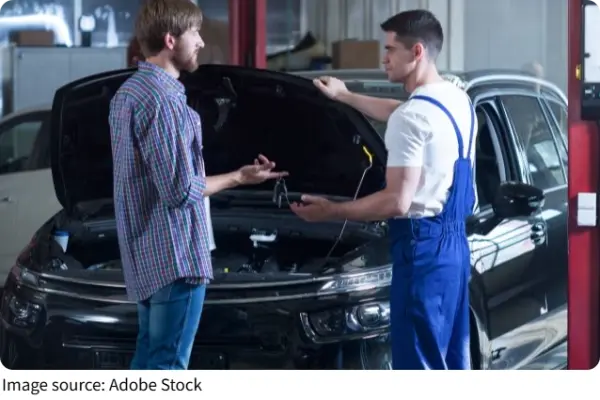
Daily checks are helpful, but consistent maintenance ensures long-term vehicle health. Oil and oil filters lubricate and clean the engine. Replacement intervals depend on oil type: mineral oil every 5,000 km, semi-synthetic 7,500 km, full synthetic up to 10,000 km. Air and cabin filters act as “masks” for the engine and passengers and should be replaced every 10–20,000 km. Key components like brake pads, tires, and batteries require regular checks. Brake pads under 3 mm thick must be replaced, tires older than five years should be swapped, and batteries generally last 3–4 years.
Listen, Check, Act!
By taking a few minutes each day, we can catch small issues before they turn costly. A little attention goes a long way in keeping our car safe, efficient, and reliable. Let’s treat our vehicles like we do ourselves—regular care keeps them healthy. Remember, spending a few extra minutes now can save us hundreds in repairs and give peace of mind on every drive. Lykkers, let’s start tuning in to our cars today!