Beach Photography Tips

Declan Kennedy
| 24-03-2026
 · Travel team
Sandy shores, rolling waves, and golden sunlight make beaches one of the most photogenic locations.
However, photographing at the beach presents unique challenges: bright sunlight, reflective water, and constantly shifting sand.
Successful beach photography requires planning, attention to light, and understanding how to capture the dynamic environment. With the right techniques, photographers can create images that convey both beauty and the relaxing mood of the seaside.
Lighting and Timing
1. Golden Hours
Early morning or late afternoon provides soft, warm light, minimizing harsh shadows and enhancing natural colors. Sunrise and sunset also create dramatic skies and reflections on wet sand.
2. Overcast Days
Cloudy conditions reduce glare from water and sand, creating a more even, diffused light. Overcast skies can also make colors pop, especially blues and greens.
3. Avoid Midday Sun
Bright noon light can wash out colors and create unflattering shadows. If shooting at midday, use reflectors or filters to balance exposure.
Composition and Framing
1. Leading Lines
Use shorelines, waves, or footprints to guide the viewer's eye through the image. Leading lines add depth and a sense of movement.
2. Foreground Interest
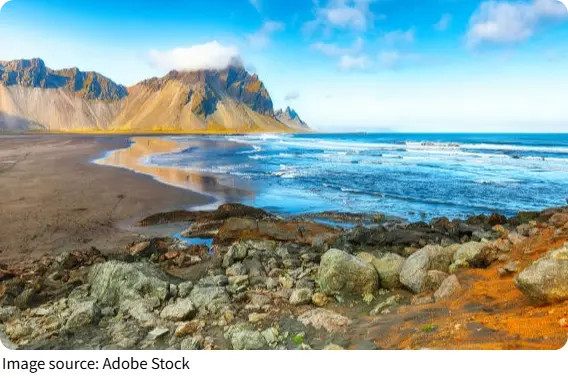
Include shells, rocks, or driftwood in the foreground. This creates a sense of scale and makes compositions more engaging.
3. Horizon Placement
Avoid placing the horizon in the exact center of the frame. Position it along the upper or lower third line to create balance and emphasize either sky or sand.
4. Perspective Variation
Shoot from low angles near the sand for dramatic foreground detail or higher viewpoints to capture the expansive shoreline.
Camera Settings and Equipment
1. Lens Selection
Wide-angle lenses capture sweeping landscapes, while telephoto lenses isolate waves, birds, or distant boats for more artistic shots.
2. Aperture and Shutter Speed
Use smaller apertures (f/8–f/16) for landscapes to keep foreground and background sharp. Fast shutter speeds freeze motion, while slower speeds can create smooth, flowing water effects.
3. Polarizing Filters
A polarizer reduces glare on water and enhances sky colors. It is especially useful for capturing reflections and maintaining color saturation.
4. Protect Your Gear
Sand and saltwater can damage cameras. Use lens hoods, protective covers, and microfiber cloths for cleaning. Consider a waterproof bag or casing.
Practical Travel Tips
1. Transportation
Popular beaches are often accessible by public transport, rental cars, or bike paths. Parking fees may range from $5–$15 per day.
2. Opening Hours and Fees
Most public beaches are open from sunrise to sunset, with entry usually free. Private beaches may charge $10–$25 for daily access, including lounge chair rentals.
3. Accommodation
Hotels and beach resorts near the coast cost $80–$250 per night depending on proximity to the water and season. Early booking during summer ensures availability.
4. Safety and Comfort
Wear sunscreen, hats, and light clothing. Bring water and towels, and keep equipment shaded when not in use. Avoid shooting in strong winds to prevent sand damage.
Conclusion: Capturing the Spirit of the Beach
Beach photography is both a creative and technical challenge. Light, composition, and protective measures for your gear are essential to capturing stunning images. Beyond technical skills, beach photography encourages observation of natural rhythms—tides, waves, and sunlight patterns. Each photo is not just a record of sand and sea but a reflection of a fleeting moment by the water, conveying calm, energy, and natural beauty to anyone who views it.