The Science of Jasmine Scent
Ravish Kumar
| 25-03-2026
 · Plants team
Walking past a blooming jasmine plant on a warm evening, the sweet, lingering scent can catch anyone off guard. That enchanting aroma isn’t just pleasant for humans—it's a clever evolutionary trick.
Jasmine flowers have evolved a sophisticated system to release fragrance at the perfect time, attracting pollinators and ensuring survival.
Peeling back the science reveals how biology, chemistry, and timing all come together to create one of nature's most delightful scents.
Fragrance Produced by Specialized Cells
Jasmine's captivating aroma comes from tiny glandular cells located in the petals. These cells produce essential oils containing volatile compounds responsible for the sweet smell.
1. These compounds include esters, alcohols, and terpenes, each contributing to the layered scent profile.
2. The oils are stored in microscopic pockets within the petals, ready to be released under specific conditions.
3. The concentration and composition of these oils vary depending on the plant's maturity and environmental factors.
A practical tip for gardeners: Harvest jasmine flowers in the early evening when fragrance levels peak, ensuring the scent is strongest for use in teas, oils, or bouquets.
Timing of Fragrance Release
Jasmine doesn't release its scent randomly. Most species emit fragrance during the evening or nighttime to attract night-active pollinators like moths.
1. This timing increases the chances of successful pollination, as pollinators are guided directly to the flowers.
2. Environmental cues like temperature, humidity, and light intensity trigger fragrance release.
3. Some species adjust their emission based on weather patterns, holding back scent during rainy periods to avoid waste.
Practical observation: Placing jasmine near a porch or garden path during peak evening hours lets humans enjoy the fragrance at its most potent, mirroring the plant's natural strategy.
Temperature and Humidity Influence Aroma
The strength and spread of jasmine's scent are influenced by the surrounding environment. Warm, slightly humid conditions allow volatile compounds to evaporate efficiently.
1. Higher temperatures increase the volatility of aromatic compounds, making the scent more noticeable.
2. Humidity helps scent molecules travel in the air without drying out the petals.
3. Conversely, cool or very dry conditions can limit fragrance release, reducing aroma intensity.
Observation: Jasmine flowers near water features or in humid microclimates often emit stronger, more persistent scents compared to those in dry, exposed areas.
Pollinator Attraction and Reproduction
The ultimate purpose of jasmine's fragrance is reproductive success. The scent serves as a natural beacon, guiding insects to nectar while ensuring pollen transfer.
1. Night-flying moths are particularly sensitive to jasmine's aroma, making them reliable pollinators.
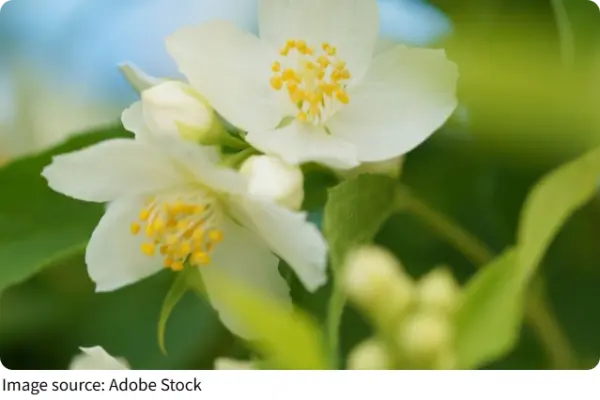
2. The flower's shape and fragrance work together, ensuring insects brush against pollen-laden stamens.
3. Repeated visits from pollinators improve seed production and genetic diversity.
Gardeners’ tip: Plant jasmine in clusters to allow scents to overlap and attract more insects efficiently.
Human Enjoyment and Cultural Uses
Humans have long appreciated jasmine's aroma for perfumes, teas, and ceremonial purposes. The same volatile compounds that attract insects delight our senses, making jasmine highly valued.
1. Extracted oils retain the floral scent and can be used in aromatherapy, cosmetics, and essential oils.
2. Fresh blooms can be woven into garlands or added to water bowls for ambient fragrance.
3. Understanding when and how flowers release fragrance helps maximize scent intensity for human use.
Practical tip: Pick flowers just as they start to bloom, storing them in a cool, dry place to preserve essential oils before using them in crafts or culinary preparations.
Jasmine's aroma is more than a pleasant fragrance—it's a carefully orchestrated system of biology and chemistry. By producing volatile oils, timing release to coincide with pollinator activity, and responding to environmental cues, jasmine ensures its survival while enchanting every passerby. Observing these mechanisms can deepen our appreciation for this delicate flower and inspire practical ways to enjoy its scent in gardens, homes, and daily life.