2026 Garden Trends

Naveen Kumar
| 27-03-2026
 · Plants team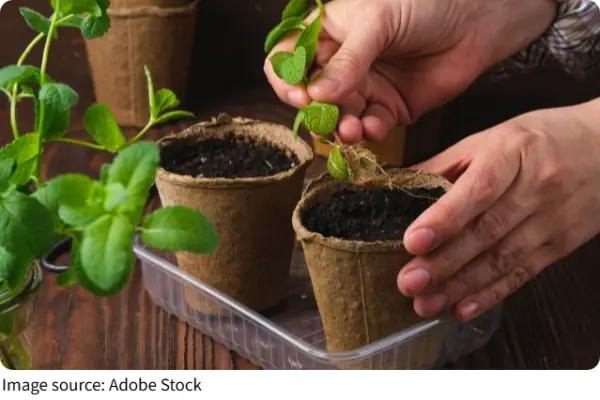
Gardening evolves every year, sometimes subtly, sometimes dramatically.
The plants we select, the layouts we favor, and the values guiding our gardens all shift over time. In 2026, the focus isn't just on visual appeal—it's about creating meaningful, functional outdoor spaces.
Gardens are being designed to support pollinators, promote well-being, and embrace abundance. Whether you have a large backyard or a small city plot, these trends offer inspiration for every gardener.
Maximalism Returns
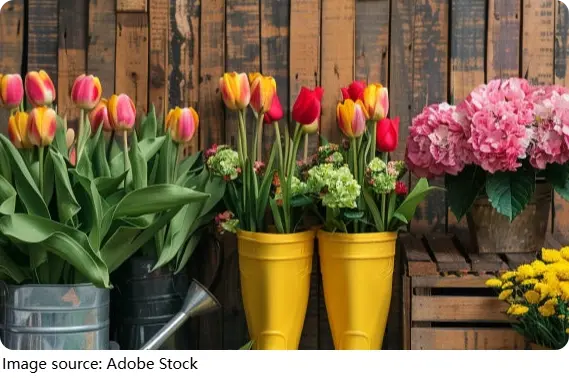
After years of minimalist gardens with gravel, sparse planting, and architectural plants, dense, layered, and lush designs are back in style.
1. Flower borders are packed with mixed textures and varying heights.
2. Color combinations are bold, mixing deep golds, rusts, soft lavenders, and creams.
3. Perennials are chosen so that something blooms continuously from spring through late autumn.
The aesthetic prioritizes warmth and abundance, creating a garden that feels generous and welcoming. Multi-layered planting strategies make spaces lively and dynamic, emphasizing a more human, engaging scale.
Gardening for Wildlife
Gardens in 2026 increasingly prioritize nature. Supporting insects, butterflies, and birds is no longer niche; it's central.
1. Native plants are favored for their ability to sustain local wildlife.
2. Rewilding parts of the garden creates corridors for insects and small animals.
3. Edges and seedheads are left standing through winter to provide habitat.
This movement encourages letting the garden feed life beyond just the human eye, making it a space that benefits both the gardener and local ecology.
Water-Wise Gardening
Drought and water scarcity have made sustainable watering a priority. Traditional thirsty lawns are being replaced by more efficient landscaping.
1. Gravel gardening helps retain moisture and suppress weeds.
2. Drip irrigation and water-butts maximize efficiency.
3. Drought-tolerant groundcovers reduce water usage while maintaining lushness.
These approaches combine practicality and beauty, allowing gardeners to maintain vibrant spaces even in drier climates.
The Kitchen Garden Renaissance
Growing food has become both practical and decorative. Kitchen gardens now blend aesthetics and productivity.
1. Raised beds are built with high-quality materials like cedar or Corten steel.
2. Vegetables are planted alongside flowers for beauty and companion planting benefits.
3. Gardening promotes well-being, reducing stress and improving mood.
The trend combines homegrown flavor, cost savings, and the mental health benefits of cultivating your own food.
Soft, Muted Palettes
Color schemes in 2026 are shifting toward subtlety. Bright, bold hues are giving way to gentle, atmospheric tones.
1. Ashy pinks, muted lavenders, powdery blues, and misty neutrals dominate.
2. Plants are chosen to blend with natural light and seasonal changes.
3. Gardens are designed to feel timeless and romantic, rather than overly vivid.
This palette emphasizes harmony with the environment, creating a garden that looks naturally integrated with its surroundings.
Conclusion
The best garden trends allow you to do what you've always wanted: plant densely, grow food, embrace wild corners, and choose colors that bring calm rather than clash. In 2026, these approaches are not just acceptable—they are celebrated. Gardens this year prioritize abundance, ecological harmony, water efficiency, and beauty that supports well-being, making outdoor spaces more meaningful than ever.