Grow the Green Future

Liam Reilly
| 30-03-2026
 · Travel team
Forests are living systems that breathe life into the planet, shaping weather, filtering air, and giving countless species a place to live. For Lykkers, understanding forest conservation and reforestation isn't just about saving trees—it's about supporting the balance that sustains us all.
This guide walks you through how forests work, why they matter, and the simple ways you can help their recovery, no matter where you live.
Why Forests Need You?
Forests do more than create scenic landscapes—they form an essential life-support network. When you understand what's at stake, your actions feel more meaningful and grounded.
Forests Keep Climate Systems Steady
Healthy forests stabilize temperatures, store carbon, and regulate rainfall patterns. Each tree acts as a natural filter and anchor, helping the environment stay balanced. When forests shrink, the surrounding areas face tougher weather conditions, fewer water sources, and a weaker ability to absorb carbon.
By learning how forests support the world's climate, you gain a clearer sense of why conservation efforts matter, even if you live far from a woodland.
Wildlife Depends on Forest Habitats
Many species—from insects to large mammals—survive only because forest ecosystems give them food, shelter, and breeding grounds. When forested areas disappear, these creatures lose their homes and their chances of survival drop sharply.
Knowing this adds an emotional layer to the work of conservation. You're not just protecting trees—you're helping preserve entire communities of life that rely on them.
Deforestation Happens Faster Than Regrowth
Clearing land often takes only days, but regrowing a mature forest can take decades. This imbalance means forests struggle to recover on their own without support.
Recognizing this gap helps you appreciate why reforestation matters so much. When you support planting efforts, restoration groups, or sustainable land practices, you're helping nature do what it cannot do quickly enough alone.
How You Can Support Reforestation?
You don't need to live near a forest—or even plant a tree yourself—to support the health of the world's woodlands. This part shows you accessible ways to contribute to the solution.
Support Organizations That Protect or Rebuild Forests
Across the world, dedicated groups restore damaged land, monitor forest health, and plant native species. By supporting these organizations through donations, volunteering, or sharing their mission, you help them widen their impact.
Even small contributions add up. When many people commit to conservation, reforestation efforts become faster, more coordinated, and more capable of reversing damage.
Choose Products That Respect Forest Resources
Daily choices play a bigger role than you might expect. When you choose items made from recycled materials or certified sustainable sources, you help lower the demand for raw wood taken from natural forests.
Being mindful of the products you buy—furniture, paper items, household goods—lets you support responsible companies and reduce the pressure placed on remaining forests. This small habit keeps you connected to conservation with every purchase.
Plant and Care for Local Green Spaces
You don't need a large plot of land to make a difference. Planting native species in your garden, joining local tree-planting events, or helping maintain community green spaces contributes to a healthier environment overall.
Local greenery supports pollinators, cleans the air, and strengthens the natural landscape around you. These small patches of growth help create a more resilient ecosystem, which ultimately supports larger reforestation efforts.
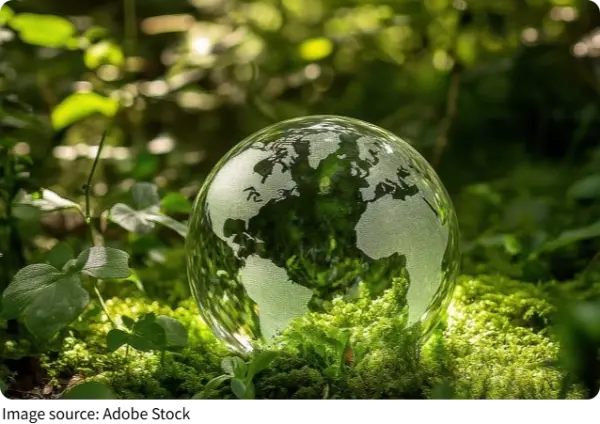
Forest conservation isn't just an environmental trend—it's a vital step toward safeguarding the planet's balance, protecting wildlife, and creating a thriving world for future generations. By understanding the role forests play and taking simple actions—supporting restoration groups, choosing sustainable products, and nurturing green spaces near you—you become part of a global effort to rebuild and protect nature. Every mindful step contributes to a greener future, and together, Lykkers can help forests stand tall again.