Decorating Your Home

Caroll Alvarado
| 01-04-2026
 · Art team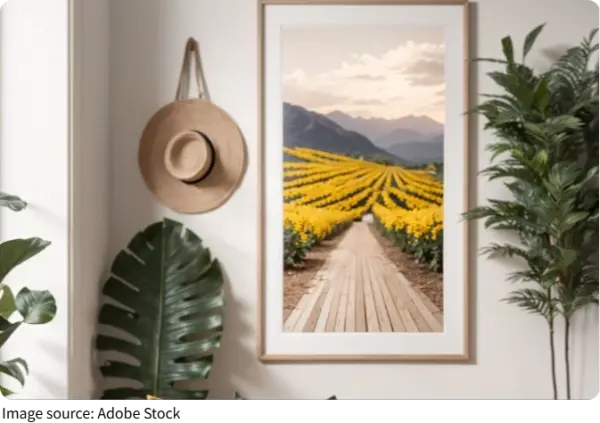
Have you ever walked into a room with empty walls and felt like something was missing?
A blank wall can feel stark and uninspiring, but with the right artwork, it can transform into a statement piece that adds character and warmth.
Whether you're renting a space or settling into your forever home, learning how to style and hang artwork is key to bringing a room to life. Let's explore how you can decorate your interior with the perfect pieces.
Choosing the Right Artwork
Before you start hanging anything on the walls, it's important to choose the artwork that complements your space. Art can be an expression of your personality, but it should also work with your room's design.
1. Match Art to Your Room's Aesthetic
Consider the style and color palette of your room when choosing artwork. For example, if you have a minimalist living room with neutral tones, a large, bold abstract painting might add the perfect pop of color. On the other hand, if you're working with a bohemian-inspired room, eclectic pieces with vibrant hues and textures will work beautifully.
2. Think About the Theme
The theme of the artwork should align with the function of the room. In a bedroom, for instance, peaceful landscapes or soft, calming colors can enhance the relaxed atmosphere. For a dining room, consider artwork that reflects social or cultural themes, such as still life or abstract works that stimulate conversation.
3. Consider Scale and Proportion
When selecting art, scale matters. A huge painting may overwhelm a small room, while tiny prints could get lost on large, blank walls. Aim to balance the size of the art with the space available. Large art pieces work well above furniture like sofas or beds, while smaller works can be grouped together to create a gallery wall.
How to Hang Artwork Properly
Once you've selected your art, it's time to hang it in a way that enhances the room's layout. Proper placement can make a significant difference in how the artwork contributes to the overall vibe of the room.
1. Eye-Level Placement
A common rule of thumb is to hang art at eye level. This makes it easier to view and appreciate. If you're hanging art above a piece of furniture, like a sofa or a bed, aim for the bottom of the frame to be about 6 to 8 inches above the top of the furniture. This creates a balanced, cohesive look.
2. Grouping Smaller Pieces
If you have multiple smaller artworks, consider grouping them into a cohesive arrangement. You can create a gallery wall with uniform frames for a sleek, modern look, or mix and match different frame styles for an eclectic feel. Keep the spacing between each piece consistent for a more organized appearance.
3. Consider the Room's Layout
Think about the room's furniture layout when placing artwork. For example, in a living room, place art above the seating area to anchor the space. In a hallway, try aligning the artwork along the walls, either in a straight line or in a creative cluster. The goal is to create a sense of flow and cohesion.
Incorporating Different Art Forms
Artwork doesn't just come in paintings and prints. You can mix in other forms of art to add variety and depth to your space.
1. Framed Photography
Framed photographs can evoke a sense of nostalgia and personal connection to the room. Whether it's a collection of family photos or professional landscape shots, photography adds texture and intimacy to any space. Consider black-and-white photos for a timeless look or colorful images for a modern touch.
2. Sculptures and Wall Hangings
Don't limit yourself to just two-dimensional art. Sculptures, woven tapestries, and wall hangings can add a dynamic element to your room. A well-placed sculpture on a shelf or a fabric wall hanging can bring texture and warmth, breaking up the hard surfaces in the room.
3. Mirrors as Art
Mirrors are both functional and decorative. A large, ornate mirror can serve as a focal point, while also reflecting light to brighten up a room. Choose mirrors with decorative frames to act as artwork, or go for sleek, minimalist designs for a more subtle approach.
Ending: Let Your Walls Reflect Your Style
Your walls are more than just structural elements of your home—they're an opportunity to express your personality and style. By carefully choosing and properly hanging artwork, you can transform any room into a space that feels uniquely yours. Whether you prefer bold abstracts, calming landscapes, or personal photographs, art has the power to elevate a room and make it truly special. So next time you're looking to refresh your space, don't forget to consider the potential of your walls.