Regrow Your Veg

Santosh Jha
| 03-04-2026
 · Plants team
Rising food prices don't have to mean empty plates. With a little creativity, scraps and leftover stems from supermarket vegetables can become new, edible crops.
All you need is a sunny windowsill, some containers like old food trays, and a bit of compost. Not only is it budget-friendly, but it's also satisfying to watch new life spring from what would otherwise be discarded.
Regrow Carrot, Beet, and Turnip Tops
The leafy tops of root vegetables are packed with flavor and nutrients. With minimal effort, they can provide fresh greens for salads, soups, and even pet snacks.
1. Cut 2–3 cm off the top of the vegetable carefully.
2. Place the cut top in a container with the base just touching water. Cleaned foil or plastic trays work perfectly.
3. Place in a sunny spot for at least half a day.
4. For a longer harvest, move the tops into shallow containers filled with moist compost.
Keep Watercress Thriving
Watercress grows quickly and easily, either in water or soil that stays damp.
1. Take a few healthy shoots and rinse them well.
2. Remove the lower leaves on the bottom third of each stem and immerse the bare ends in water.
3. Refresh the water regularly.
4. Pinch new shoots as they grow for immediate use.
5. For longer-term growth, place rooted shoots in shallow containers with 8–10 cm of compost, keeping the soil moist in a greenhouse, porch, or cold frame.
Celery and Bulb Fennel Make a Comeback
These vegetables can sprout new stems or bulbs from their roots.
1. Separate the main portion of the bulb or stalk, keeping a substantial part of the base intact.
2. Place the base in water in a warm, sunny indoor spot.
3. New growth should appear within a week; collect as needed.
4. Gradually acclimate them outdoors in late spring or summer, then transfer to a sunny, sheltered garden area for extended harvest.
Onion and Spring Onion Regrowth
The root ends of onions and spring onions produce tender, edible leaves.
1. Take a 2–4 cm section from the root end of fresh spring onions and place it in a container with a little water.
2. For bulb onions, leave the bases in a shaded spot for a couple of days before transferring to shallow containers with soil.
3. Keep the soil lightly moist and watch for leafy growth.
Tip: Always make clean cuts to avoid crushing the vegetables, which reduces their chance of regrowing.
Supermarket Herbs Keep on Giving
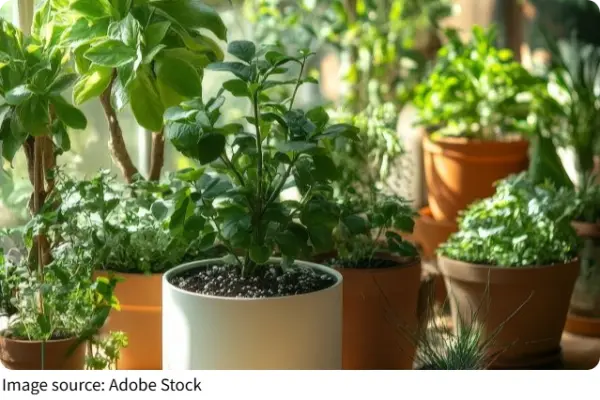
Many supermarket herbs are tightly packed seedlings that thrive when given more space.
1. Water the herb an hour before separating if the soil is dry.
2. Gently pull apart the clump, discarding any weak or yellowed leaves.
3. Place each segment in its own container with fresh compost, ensuring the soil level is similar to before and lightly firming the soil around the roots.
4. Sun-loving herbs like basil do best on a bright windowsill, while shade-tolerant herbs such as parsley prefer a cooler spot with less light.
Final Thoughts
By regrowing vegetables and herbs, you're saving money, reducing waste, and creating a small cycle of fresh food at home. A single supermarket trip can provide weeks of leafy greens if you give your scraps a second chance. Sometimes, the simplest steps can transform both your kitchen and your mindset.