Clothing & Accessories

Naveen Kumar
| 03-04-2026
 · Fashion team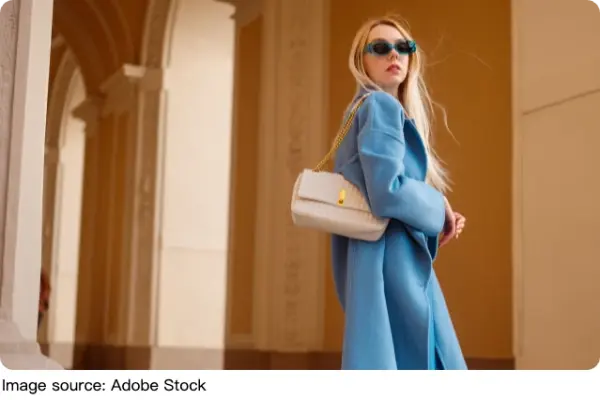
When it comes to fashion, the right combination of clothing and accessories can make all the difference. A well-matched outfit doesn't just look good; it can transform your confidence and style.
Whether you're dressing for a formal event, a casual day out, or an evening gathering, the key lies in how you pair your clothes with the perfect accessories.
Understanding how to balance colors, textures, and styles can elevate your outfit and make a lasting impression. In this guide, we will explore essential tips for matching clothing and accessories, helping you create a polished and cohesive look every time.
1. The Role of Accessories in Fashion
Accessories are the finishing touches that can take any outfit from ordinary to extraordinary. They are often seen as small details, but their impact is profound. From a statement necklace to a stylish handbag, accessories serve several purposes:
Add Personality
Accessories allow you to express your unique style and personality. They can be bold and eye-catching or subtle and refined, depending on the statement you want to make.
Elevate Simplicity
Even a simple outfit, like a white t-shirt and jeans, can be transformed with the right accessories. A scarf, a pair of sunglasses, or a colorful belt can add layers of interest and dimension.
Tie Everything Together
Accessories can bring cohesion to your outfit. By matching your accessories with your clothing's color palette or overall theme, you create a harmonious look that feels intentional and well thought out.
2. Matching Colors and Patterns
One of the key aspects of clothing and accessories matching is understanding how to pair colors and patterns effectively. Here are some tips to get it right:
Stick to a Color Scheme
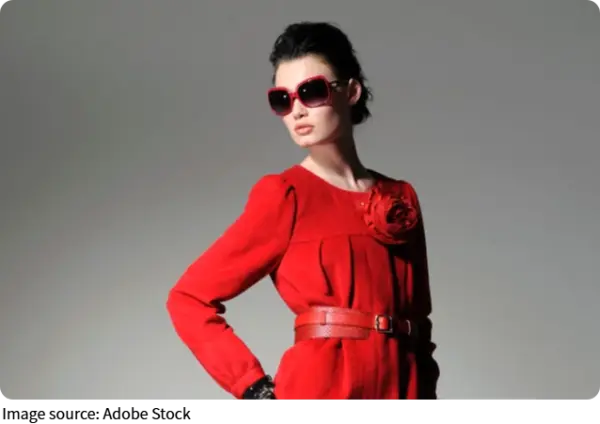
If your outfit is bold with bright colors, keep your accessories in a more neutral tone to avoid overwhelming the look. On the other hand, if you're wearing a simple, neutral outfit, feel free to experiment with more vibrant and playful accessories.
Complement, Don't Compete
When pairing accessories with patterned clothing, make sure the accessories complement the pattern rather than compete with it. For example, if you're wearing a floral dress, opt for accessories in solid colors or simple patterns that don't clash with the floral design.
Monochromatic Matching
A monochromatic color scheme, where you choose accessories in the same color family as your outfit, can look incredibly sophisticated. For example, pairing a light blue blouse with blue jewelry or a navy handbag creates a coordinated look that feels polished.
3. Balancing Statement Pieces
Statement pieces are bold, attention-grabbing accessories, such as chunky necklaces, large scarves, or oversized hats. While they can add flair to an outfit, it's essential to balance them with the rest of your ensemble. Here's how:
Let One Statement Shine
If you're wearing a bold accessory, such as a large necklace or a hat, keep the rest of your outfit simple. Let the accessory be the focal point, and avoid adding too many competing statement items.
Pair with Simplicity
A statement accessory works best with a minimalistic outfit. For example, if you have a patterned dress, keep your accessories simple with solid-colored pieces. This lets the clothing take center stage while the accessories add a complementary touch.
Mix and Match Sizes
If you want to incorporate multiple statement pieces, balance the size and scale of the accessories. Pair a large necklace with smaller earrings, or opt for a bold handbag and subtle shoes.
4. Matching Accessories to the Occasion
Different occasions call for different types of clothing and accessories. The key is understanding how to match your accessories with the vibe of the event. Here are some guidelines:
Casual Outfits
For a relaxed, casual look, choose accessories that are functional and laid-back. Sunglasses, a simple tote bag, and a casual watch can add a touch of style without overwhelming your outfit. Avoid overly elaborate accessories when dressing for casual outings.
Formal Wear
When dressing for formal events, such as a wedding or gala, your accessories should reflect the sophistication of your attire. A simple yet elegant clutch, delicate jewelry, and refined heels work well with evening gowns or suits. The goal is to enhance your formal wear without overshadowing it.
Business Attire
In the workplace, accessories should be subtle and professional. Opt for classic pieces, such as a leather belt, a structured handbag, or simple earrings. Avoid loud or overly flashy items that may distract from your professional appearance.
5. Personal Style and Confidence
Ultimately, the most important aspect of matching clothing and accessories is how you feel in your outfit. Fashion is all about self-expression, and the right combination of clothes and accessories can give you confidence. Here's how to make sure you're staying true to your style:
Trust Your Instincts
While guidelines and trends can offer helpful advice, don't be afraid to trust your instincts. If you feel confident in an outfit and the accessories you've chosen, you'll naturally carry yourself with grace and poise.
Experiment and Evolve
Fashion is dynamic, and your style will evolve over time. Don't be afraid to experiment with new combinations and find what works best for you. A personal style that reflects your personality and confidence will always shine through.
Conclusion: The Art of Perfect Pairing
Matching clothing and accessories is both an art and a science. By understanding the principles of color coordination, pattern balancing, and choosing the right statement pieces, you can create outfits that are both fashionable and functional. Remember, accessories are not just afterthoughts; they are the key to finishing and elevating your look. Whether you're dressing casually or for a special occasion, the right accessories can transform your outfit from good to great.
Fashion is an expression of who you are. With a little thought and creativity, you can mix and match clothing and accessories in ways that reflect your style and personality. So, the next time you stand in front of your closet, trust in your instincts and enjoy the process of putting together the perfect ensemble.