Car Owner Habits

Julian
| 21-04-2026
 · Automobile team
A well-maintained car doesn't feel like a liability. It starts predictably, stops confidently, and handles whatever the road sends back. None of that happens by accident.
It happens because someone built a routine around simple, repeatable tasks — and stuck to it.
No miracle products required. Just the right habits at the right intervals.
Tires: Pressure, Tread, Rotation, and Alignment
Check pressure monthly on cold tires using the figure on the door-jamb placard — not what's printed on the tire sidewall. Temperature changes affect pressure constantly, so morning checks before driving give the most accurate reading. Keep a gauge in the glove box and include the spare.
Tread depth governs wet-weather grip far more than brand names do. Measure several grooves across each tire rather than guessing by eye. Rotate every 5,000 to 8,000 miles following the pattern in your manual, and use each rotation as an inspection opportunity — look for nails, bubbles, and uneven wear.
Schedule an alignment when the steering wheel sits off-center, the car pulls to one side, or the tire edges wear faster than the centers.
Brakes: Pads, Rotors, and Fluid
Brake fluid absorbs moisture over time, which lowers its boiling point and softens pedal feel under heat. Many manufacturers specify time-based fluid flushes — shops can test fluid condition when the schedule isn't explicit. Listen for squealing, feel for vibration, and notice whether stopping distances are increasing.
Replace pads before the backing plate contacts the rotor to protect the disc and reduce repair costs. Sticking calipers and corroded slide pins create uneven wear patterns that mimic warped rotors. Schedule brake inspections alongside tire rotations to build a consistent rhythm.
Coolant: Type and Timing Both Matter
Coolant protects against both heat and internal corrosion in passages most owners never see. Formulas vary by manufacturer and intervals differ by vehicle, so the owner's manual sets the standard. Extended-life coolants often have a long first interval followed by shorter repeat intervals.
Mixing types or diluting with plain water reduces protection. Inspect hoses, clamps, and the radiator for swelling, stains, or deposits at every service. A weak radiator cap causes overflow and overheating — small problems that produce big breakdowns when ignored.
Oil: Follow the Monitor, Not the Old Rules
Modern oil-life monitoring systems track heat cycles, trip length, idle time, and load to estimate oil condition far more accurately than fixed mileage intervals. Synthetic oils and tighter engine tolerances allow longer service windows when driving patterns support it.
Always use the exact oil specification listed in the manual — the grade and certification matter for both engine protection and emissions compliance. Reset the monitor after every oil change. If the monitor and the printed schedule disagree, follow the manual — it defines the design intent.
Battery: Test Early, Replace Proactively
Most batteries last three to five years, with heat and cold accelerating decline at both ends. Begin annual testing around year three. Clean terminals and tight connections reduce voltage drops. Short trips with long periods parked leave batteries chronically undercharged — a smart maintainer solves this during low-use stretches.
Slow cranking on cold mornings and headlights that dim at idle are early warning signs. Proactive replacement prevents tow-truck calls and protects sensitive electronic modules from low-voltage resets.
Wipers and Washer Fluid
Rubber hardens with sun, grit, and heat faster than most drivers expect. Plan for replacements every six to twelve months, and switch both front blades simultaneously for consistent performance. Use winter-rated washer fluid in colder climates to keep lines and nozzles clear through freezing temperatures.
Clean the glass with a proper glass cleaner to remove the film that accelerates blade wear. Rear wipers deserve the same replacement schedule as the fronts.
Air Filters: Engine and Cabin
A clogged engine air filter dulls throttle response and raises fuel consumption. Cabin filters keep dust and pollen out of the ventilation system and protect the blower motor from strain. Most cabins need a new filter every 15,000 to 25,000 miles — sooner in dusty or high-pollen environments.
Inspect the engine air filter at every oil change. Never tap or blast air through paper filter elements. Fit replacements carefully so the housing seals completely around the new part.
Lights: Visibility and Safety
Walk around the vehicle several times a month and check low beams, high beams, turn signals, and brake lights. Replace bulbs in pairs to keep brightness and color matched side to side. Polycarbonate headlamp lenses cloud with UV exposure over time — haze cuts light output significantly and scatters beam patterns. Severely clouded lenses can be restored with kits or replaced entirely. Re-aim lights after any front-end work or bulb replacement.
Transmission: Spec Is Everything
Transmission designs vary widely, so the owner's manual sets the service plan. The specified fluid contains friction modifiers calibrated for that unit's clutch behavior — using the wrong formula causes real damage. When fluid is labeled "lifetime," that describes expected service life under normal conditions, not a permanent pass.
Heavy towing, short repeated trips, or extreme heat all justify earlier fluid changes. Delayed engagement, harsh upshifts, or new noises are early warnings worth investigating immediately.
Recalls, Bulletins, and Software Updates
Check your VIN for open recalls several times a year — these are free safety repairs tied to your specific vehicle. Technical Service Bulletins describe known fixes for recurring issues and help technicians diagnose accurately without unnecessary parts replacement.
Many modern repairs now include software updates for modules controlling the engine, transmission, and driver-assist systems. Keeping software current prevents compatibility issues after component replacement.
Fuel and Fluid Quality
Gasoline varies in detergent content. Brands meeting higher detergent standards reduce intake deposits that harm idle quality and emissions over time. The same principle applies to every fluid in the car — oil, coolant, brake fluid, and transmission fluid must match the specification in the manual. Correct chemistry protects gaskets, seals, and clutches. Using the wrong formula causes damage that more frequent changes cannot offset.
Keep Records and Save Receipts
Maintenance lives on paper as much as it does under the hood. Receipts, dates, and mileage readings prove that service matched the schedule — essential for warranty claims and extended coverage plans. A simple folder or digital log works well. Note parts used, shop name, and odometer reading for each visit.
Attach alignment printouts and battery test results so trends are visible over time. Clear records speed up diagnosis when problems return and meaningfully increase resale value.
Serpentine Belt and Tensioner
The serpentine belt drives the alternator, water pump, and power steering simultaneously. Inspect it at every oil change for cracks, glazing, and frayed edges. A chirping noise at startup often points to a weak or misaligned tensioner. Replace the belt and tensioner together when wear appears — a weak tensioner shortens the life of any new belt.
A failed belt can stop charging, disable power steering, and overheat the engine within minutes. Write the install date and mileage in your log.
Wash the Underside During Salt Season
Road salt accelerates corrosion on brake lines, subframes, fasteners, and exhaust components. Regular underbody rinses during salt season slow that damage significantly. Focus on weeks with thaw cycles when wet salt penetrates seams and brackets most aggressively.
Let brakes cool before rinsing to avoid warping rotors. Clear drain holes in rocker panels so trapped brine can escape. Rust inhibitors and cavity waxes add meaningful protection in harsher climates.
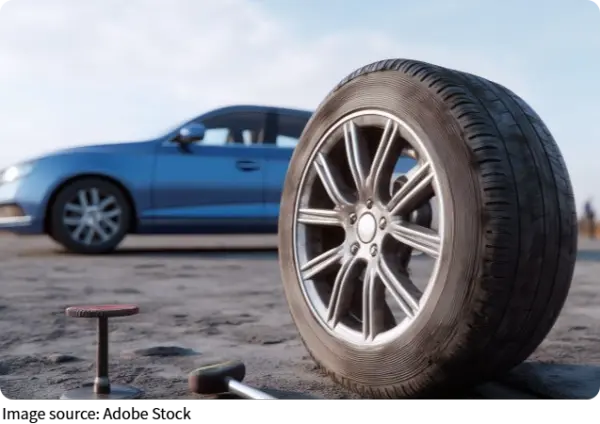
Small routines protect big investments. A monthly tire check, a seasonal wiper swap, and fluids that match the label are not complex tasks — they are the difference between a car that lasts and one that doesn't. Build the habits now, and the car rewards you every mile.