Car Maintenance Schedule

Liam Reilly
| 21-04-2026
 · Automobile team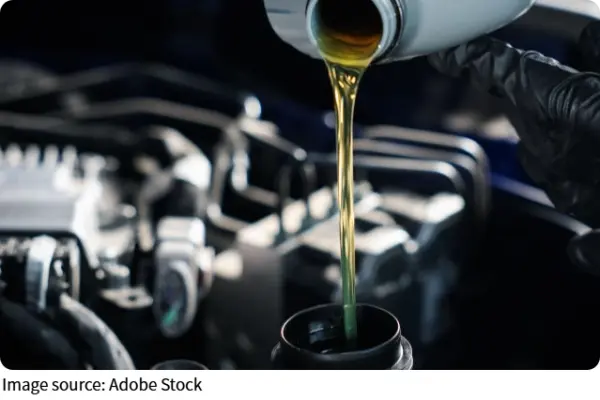
A car that runs reliably for years doesn't happen by accident. It happens because someone paid attention.
Whether you drive daily or occasionally, your vehicle has specific maintenance needs that don't disappear just because you haven't hit a certain mileage.
Skipping scheduled service might feel like saving money — until a neglected timing belt destroys your engine or worn brake fluid quietly compromises your stopping power. Let's explore some important points.
Check Fluid Levels Every Few Weeks
This takes less than five minutes and should happen regularly. Open the hood and check all six critical fluids:
1. Engine oil
2. Transmission fluid
3. Engine coolant
4. Brake fluid
5. Power steering fluid
6. Windshield washer fluid
Top off anything that's running low. If a fluid has dropped significantly since your last check, look for a leak — unexplained fluid loss is always worth investigating promptly.
Check All Lights Regularly
A burned-out headlight or tail light is easy to miss from the driver's seat. Have someone operate the light controls from inside the vehicle while you walk around the exterior checking every bulb. Driving with a faulty light can result in a fine — and more importantly, it's a genuine safety risk. Replace bulbs as soon as they fail.
Replace the Cabin Air Filter Annually
Most vehicles filter the air entering the cabin through a dedicated filter before it reaches the heater and air conditioning system. Under normal driving conditions, replace this filter once a year. If you regularly drive on unpaved or dusty roads, change it every six months instead.
Check Tire Pressure and Tread Monthly
Tires naturally lose around one PSI of pressure each month — more in cold weather. Check each tire with a pressure gauge at least once a month and visually inspect them before longer trips. When measuring tread depth, look for the wear indicator bars built into the tire grooves. Once the tread reaches those bars or drops below 1/8 inch, the tires need replacing.
Replace the Engine Air Filter Every 12,000 to 15,000 Miles
For every gallon of fuel your engine burns, it pulls in roughly 15 gallons of air. The engine air filter keeps dirt, dust, and debris out of that airflow. A clogged filter restricts airflow, reduces performance, and hurts fuel efficiency. Replace it every 12,000 to 15,000 miles, or at least once a year — whichever comes first.
Change Engine Oil and Filter on Schedule
Check your owner's manual for the exact recommended interval for your vehicle. Most engines require an oil and filter change every 3,000 to 8,000 miles. Synthetic oil can safely extend that interval to up to 15,000 miles in some vehicles. Regardless of how little you drive, change your oil at least once every 12 months — oil degrades over time even when the car sits unused.
Rotate Tires Every 6,000 to 8,000 Miles
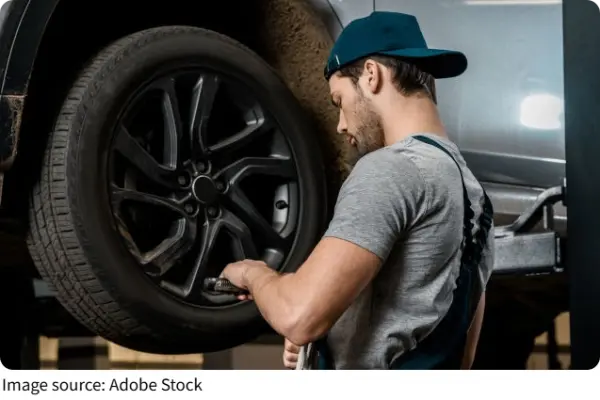
Tires wear unevenly depending on their position on the vehicle. Rotating them front to back — and side to side where applicable — evens out that wear pattern and significantly extends the life of the full set. Aim to rotate every 6,000 to 8,000 miles or every six months.
Replace the Timing Belt Every 60,000 to 100,000 Miles
The timing belt works inside the engine where you can't see it, and it gives no warning before it snaps. When it does fail, the resulting engine damage is typically catastrophic and extremely expensive. Don't exceed the manufacturer's recommended replacement interval — usually between 60,000 and 100,000 miles. Note that some vehicles use a timing chain instead, which generally doesn't require scheduled replacement.
Replace Spark Plugs and Serpentine Belt as Specified
Spark plug replacement intervals vary widely — some need changing every 20,000 miles while others last up to 100,000 miles. Check your manual for the specification on your engine. The serpentine belt, which drives accessories like the alternator, water pump, and power steering, should be replaced every 50,000 to 60,000 miles or every four to five years. If you notice visible cracking or frayed edges before that interval, replace it immediately.
Change Engine Coolant Every 30,000 to 60,000 Miles
Coolant breaks down over time and loses its ability to protect the engine from extreme temperatures and corrosion. Most manufacturers recommend a coolant flush every 30,000 to 60,000 miles. If you handle this yourself, never dispose of old coolant down a drain — it's highly toxic. Take it to an auto garage or a municipal hazardous waste facility.
How to Stay on Track
The simplest method is a notepad in the glove box — record the date, odometer reading, and the service completed after each task. Many newer vehicles have built-in maintenance reminders, but keeping your own written record remains valuable. Calendar alerts and dedicated maintenance apps are also reliable backup systems. Your owner's manual outlines the full schedule — use it as your baseline and adjust based on how and where you drive.
Low mileage drivers aren't off the hook. Rubber belts and hoses become brittle with age regardless of miles driven. Drivers who work vehicles hard in extreme temperatures, tow frequently, or drive in wet and muddy conditions may need to service certain components more often than the standard schedule suggests. When in doubt, consult your mechanic.
Reliability is never accidental. The cars that last longest belong to drivers who treat a maintenance schedule not as an inconvenience — but as an investment.