Zaanse Schans Windmill Guide

Mason O'Donnell
| 23-04-2026
 · Travel team
The sails turn slowly in the breeze off the Zaan River, each blade painted in the traditional pattern of the mill's original owner.
The mill house beside it is built from dark timber in the style that was standard in this part of the Netherlands three centuries ago. Reed grass grows along the riverbank. A flat-bottomed boat sits at the wooden jetty.
The sky is the specific wide, luminous blue that only appears over low Dutch landscape with no hills to interrupt the horizon. This is Zaanse Schans, a preserved historic district on the western bank of the Zaan River in North Holland, and it looks almost exactly as it did when these mills were grinding mustard and pressing oil in the 17th century.
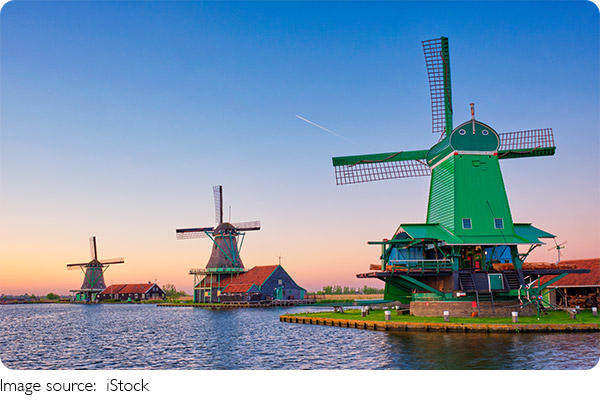
Zaanse Schans is located in the municipality of Zaandam, approximately 15 kilometers northwest of Amsterdam. The district preserves a collection of authentic historic buildings relocated from surrounding villages that were demolished during industrialization, creating a living museum of Dutch vernacular architecture and working industrial heritage.
Getting There
Zaanse Schans is among the most accessible day trips from Amsterdam, requiring no car and minimal planning.
From Amsterdam Centraal Station, direct trains run to Zaandijk-Zaanse Schans station every 15 to 20 minutes throughout the day. The journey takes approximately 17 minutes. A single train ticket costs approximately $4 to $5 each way using an OV-chipkaart or approximately $6 to $8 buying a paper ticket at the station. From Zaandijk-Zaanse Schans station, a 10-minute walk leads directly to the historic district entrance.
Bus service 391 also connects Amsterdam Centraal to Zaanse Schans in approximately 50 minutes, stopping closer to the site entrance than the train station. Bus tickets cost approximately $4 each way.
Zaanse Schans
Opening Hours and Entry Costs
The Zaanse Schans district itself is freely accessible at all hours, seven days a week. Walking the riverbank, viewing the windmills from outside, and exploring the surrounding paths costs nothing. The site is at its most atmospheric in early morning before tour groups arrive, typically between 8 a.m. and 10 a.m.
Individual attractions within the district charge separate entry fees.
1. Working windmill interior visits cost approximately $5 to $7 per windmill. Several mills open their interiors to visitors, allowing access to the working machinery on the upper floors and views over the river from the exterior gallery.
2. The Zaans Museum covers the history of industry and daily life along the Zaan River from the 17th century onward. Entry costs approximately $13 per person. Open daily from 10 a.m. to 5 p.m.
3. The Albert Heijn Museum Shop, housed in a replica of the original Albert Heijn grocery store from 1887, is freely accessible and provides an interesting footnote on the origins of the Netherlands' largest supermarket chain, which began in Zaandam.
4. The Cheese Farm and Clog Workshop both offer free entry with demonstrations of traditional cheese making and wooden clog carving running throughout the day.
Where to Stay
Most visitors to Zaanse Schans base themselves in Amsterdam, but staying in Zaandam itself provides immediate morning access before day-trippers arrive.
Inntel Hotels Art Zaandam in Zaandam city center is one of the most architecturally distinctive hotels in the Netherlands, its facade composed of dozens of stacked traditional Dutch house shapes. Rooms start from approximately $120 to $180 per night and the hotel is a 15-minute drive or short bus ride from Zaanse Schans.
In Amsterdam, the city's wide accommodation range covers everything from boutique canal-house hotels at approximately $150 to $250 per night to well-reviewed budget properties from approximately $60 to $100 per night, all with easy train access to Zaanse Schans throughout the day.

Zaanse Schans rewards early arrivals with an experience that the midday crowds make considerably harder to access. The windmill sails turning against a clear morning sky, the reed grass catching low light on the river surface, the absence of tour groups on the narrow timber boardwalks, these are the details that make the visit genuinely memorable rather than simply checkable.
Take the first train of the day and stay for two hours before the coaches arrive. The difference between 8 a.m. and 11 a.m. at Zaanse Schans is the difference between a place and a queue.