Cheese Secrets

Mariana Silva
| 29-04-2026
 · Cate team
You slice into a block of cheese, and it seems simple enough. But look closer—the texture, the aroma, even those little holes all tell a story.
Cheese isn't just food; it's the result of time, transformation, and a bit of science working quietly in the background.
Why Some Cheese Has Holes?
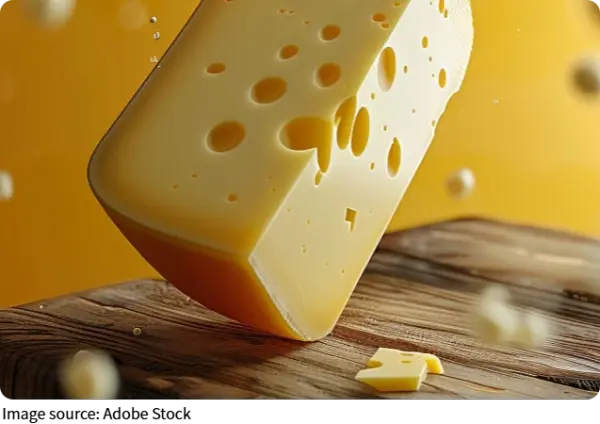
Those little holes in certain cheeses aren't random. They're created by gases released during the aging process. As friendly bacteria break down nutrients, tiny pockets of air form and get trapped inside.
That's why cheeses like Swiss have those signature holes, while others stay completely smooth. It's not decoration—it's part of how the cheese develops its character.
It Can Taste Completely Different
Not all cheese tastes alike, even if they look similar. The flavor depends on several factors: the type of milk used, how it's processed, and how long it's aged.
A fresh cheese is usually mild and soft, while aged cheese becomes firmer and develops a deeper, more complex taste. Even small changes in the process can lead to noticeable differences.
Texture Tells a Story
The way cheese feels when you bite into it reveals a lot about how it was made. Soft cheeses are often younger and contain more moisture. Hard cheeses have been aged longer, allowing them to firm up over time.
Some cheeses crumble easily, while others stretch when melted. Each texture comes from careful control during production, not by accident.
It Melts in Its Own Way
Not all cheese melts the same way. Some become smooth and creamy, perfect for spreading or layering. Others soften but keep their shape, making them ideal for grilling or baking.
The melting behavior depends on moisture, protein structure, and aging. That's why choosing the right cheese can completely change a dish.
Color Isn't Always What You Think
Cheese can range from pale white to deep yellow or even orange. While some colors come naturally from the milk, others are influenced by what the animals eat.
In some cases, natural coloring is added to create a consistent look. So color doesn't always tell you how strong the flavor will be—it's just one piece of the puzzle.
Simple Ways to Enjoy Cheese
You don't need complicated recipes to enjoy cheese at its best:
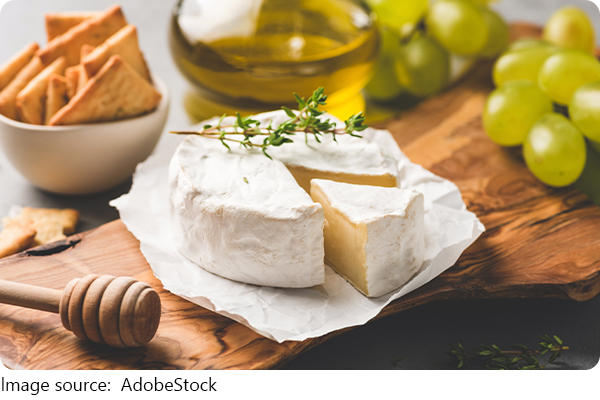
1. Pair it with fresh fruit for a balanced taste
2. Add slices to sandwiches for extra richness
3. Melt it over warm dishes for a smooth finish
4. Enjoy it on its own to notice subtle flavors
Each method highlights a different side of cheese, from texture to aroma.
In the end, cheese is much more than a topping or a snack. It's a quiet transformation of simple ingredients into something layered and full of character. The next time you take a bite, you might notice a little more—the texture, the flavor, and the small details that make it so interesting.