Modern Home Living

Caleb Ryan
| 29-04-2026
 · Lifestyle team
A living space often shapes our daily comfort and mood in ways we may not immediately notice.
Modern interior design encourages us to rethink what a home truly means, moving beyond mere visual appeal alone.
Instead, we start to explore how a space can better support everyday routines, emotional balance, and personal expression.
Simplicity and Practical Layout
Modern design often starts with a simple idea: make every part of a space meaningful. Clean lines, open layouts, and reduced visual clutter help rooms feel more spacious and comfortable.
For example, combining cooking and living areas into one open zone allows smoother movement and better interaction among people at home. The goal is not emptiness, but clarity and function working together in balance.
Light and Color Atmosphere
Light and color strongly shape how a room feels. Soft tones can create a calm mood, while slightly deeper shades bring depth and structure. Natural daylight is often maximized through wider windows or reflective surfaces.
In the evening, layered lighting helps shift the atmosphere into something softer and more relaxed. This balance between brightness and warmth makes the environment feel comfortable throughout the day.
Material and Texture Harmony
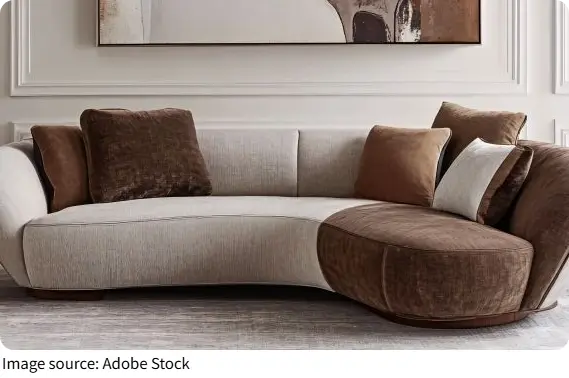
Different materials bring variety and character into a space. Smooth surfaces, soft fabrics, and natural textures are often combined to create depth without overwhelming the eyes.
When we mix materials thoughtfully, each element supports the overall design instead of competing for attention. Even small details, such as the feel of furniture surfaces, can influence how comfortable a space feels.
Smart Living Features
Modern homes often include helpful technology that improves daily convenience. Lighting control, window adjustments, and sound systems can be managed easily through simple interfaces.
These features are designed to support lifestyle needs rather than complicate them. For example, lighting that adjusts throughout the day helps maintain a natural rhythm indoors, making the environment feel more responsive and comfortable.
Eco-Conscious Design Direction
Sustainability has become an important part of interior planning. Materials are often chosen for durability and long-term use, including natural fibers and responsibly sourced wood elements.
This approach helps reduce unnecessary waste while maintaining comfort and visual appeal. A well-planned space can feel both modern and mindful of long-term environmental balance.
Personal Expression in Space
Every home carries the personality of its residents. We can express individuality through layout choices, decorative objects, and meaningful items.
Some prefer calm and minimal arrangements, while others enjoy more expressive visual stories. Displaying personal collections or meaningful pieces helps create a living environment that feels authentic and connected to daily life.
Layout Planning and Flow
Good layout planning helps a home feel more natural and easy to use. We often consider how people move through different areas and how furniture supports daily routines.
A well-structured layout improves both comfort and efficiency. Even smaller rooms can feel open when movement paths are clear and furniture placement is carefully arranged.
Today, digital design tools also make planning easier. Some systems can generate multiple layout ideas based on room shape and preferences, helping us visualize changes before making decisions. This makes the design process more flexible and practical.
Color and Material Coordination
Color and material choices work closely together to shape the overall feeling of a space. Soft neutral tones often create stability, while gentle contrasts add visual interest.
When materials and colors are balanced well, the environment feels unified and calm. This harmony helps create a home that feels comfortable without being visually overwhelming.
Decor and Final Details
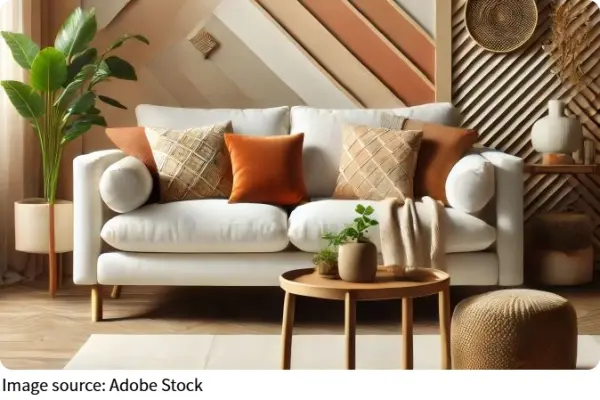
Decorative elements add personality and warmth to a living space. Art pieces, handmade objects, or simple decorative accents can help complete the overall look.
The key is balance. Each item should support the environment rather than dominate it. When chosen carefully, these details bring character and depth to everyday living spaces.
Final Thoughts on Home Living
Modern interior design is not only about appearance. It is about how a space supports comfort, movement, and personal expression in daily life.
When we combine thoughtful layout, balanced materials, and meaningful details, a home becomes more than a physical space. It becomes a place that adapts to us over time and supports the rhythm of everyday living.