Beetle Classic

Amina Hassan
| 08-05-2026
 · Automobile team
Some cars are built to get from one place to another.
Others end up becoming something more. The Volkswagen Beetle sits firmly in that second category. Its rounded shape, compact size, and instantly recognizable look have made it one of those rare designs that people remember even if they're not car enthusiasts.
There's a certain friendliness to it. It doesn't feel aggressive or overly technical. Instead, it gives off a simple, approachable vibe—almost like it was designed to fit into everyday life without trying too hard.
A design that never tried to change too much
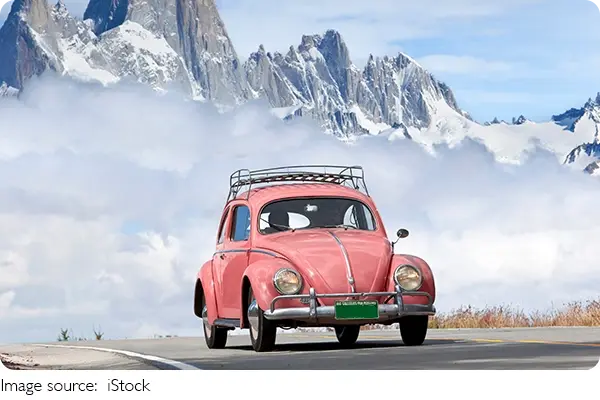
The Beetle's shape is probably its most defining feature. That curved roofline, rounded headlights, and compact body stayed surprisingly consistent over the years. While other cars constantly shifted toward sharper lines and more complex designs, the Beetle held onto its identity.
That consistency became its strength. People didn't need to guess what it was—it was instantly recognizable from a distance. Even later versions kept that core silhouette, just with updated details.
Inside, the design followed the same philosophy. Controls were simple, layouts were clean, and nothing felt overly complicated. It was built to be used, not to impress with complexity.
Why it became so popular
Part of the Beetle's appeal came from how practical it was. It was compact enough for city driving, easy to park, and relatively straightforward to maintain. For many drivers, it offered just what was needed without extra complications.
Another factor was its reliability. Over time, it built a reputation for being dependable in everyday use. That kind of trust doesn't come from marketing—it comes from consistent performance over years of driving.
It also had a personality that stood out. While many cars focused purely on function, the Beetle managed to feel a bit more personal. People often customized them, adding colors, accessories, or small details that made each one feel unique.
The driving experience
Driving a Beetle feels different from modern cars. It's not about speed or advanced features. Instead, it's about a more connected, straightforward experience.
The compact size makes handling feel light and manageable. Steering feels direct, and the overall driving style encourages a slower, more relaxed pace. It's the kind of car that makes short drives feel enjoyable rather than just routine.
Even the sound and feel of the engine add to the experience. It's not overly quiet or refined, but that's part of its character.
A lasting cultural presence
Over time, the Beetle moved beyond being just a car. It became part of popular culture, appearing in films, advertisements, and everyday life across different countries. Its shape and personality made it easy to recognize and remember.
Collectors and enthusiasts still appreciate it today, not just for how it drives, but for what it represents. It's a reminder of a time when design focused on simplicity and identity rather than constant change.
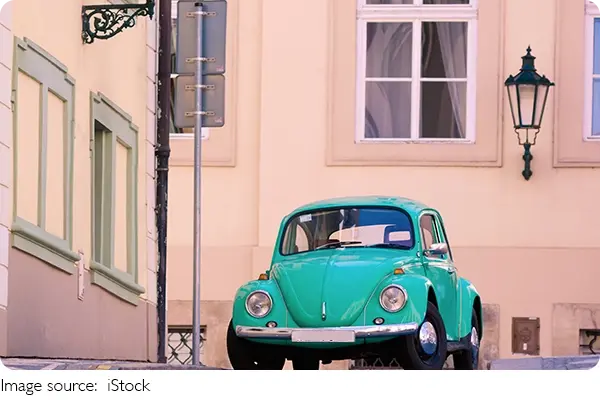
Even people who have never driven one often feel familiar with it. That kind of recognition is rare and usually takes decades to build.
In the end, the Beetle isn't just about transportation. It's about how a simple idea, executed consistently, can leave a lasting impression. It proves that sometimes, staying true to a design matters more than constantly chasing something new.