Daily Car Check Routine

Sofia Alvarez
| 12-05-2026
 · Automobile team
There's a short gap between a car that runs reliably for years and one that leaves you stranded on the side of the road — and it's usually just a few minutes of regular attention.
A quick daily check before or after driving doesn't need any mechanical skill. Walk around, look, maybe pop the hood. That's it.
Fluid Levels: Quick and Worth It
Not every morning, but regularly — especially if you drive a lot — a fluid check takes under two minutes and can catch problems early. For the engine oil, pull the dipstick with the engine off and cool, wipe it clean, reinsert it, and pull again. The level should sit between the marked range, and the oil should look amber, not gritty or thick.
Coolant goes in the reservoir, not the radiator cap — check it between the MIN and MAX lines. Brake fluid should be near the MAX line and look clear, not dark. If you notice any fluid has dropped suddenly, or see a puddle under the car, that's your sign to get it checked before it becomes something expensive.
Tires: Walk Around, Don't Skip This
Tires affect everything — braking, fuel efficiency, how the car handles corners. Before you drive, do a quick walk-around. Check for obvious damage like bulges, cuts, or anything embedded in the tread. Use a tire pressure gauge and compare it with the recommended PSI on the sticker inside the driver's door.
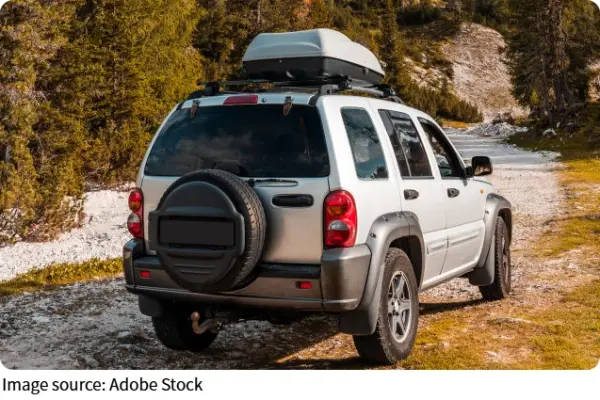
Low pressure is more common than people think and affects both safety and fuel economy. Don't forget the spare — a flat spare is useless in an emergency.
Lights and Signals
Your headlights and turn signals are how other drivers understand your intentions. Burnt-out brake lights are easy to miss because you don't see them while driving. Back up to a wall or garage door and press the brake to check them, or have someone stand behind the car. Make sure headlights, hazard lights, and reverse lights all function. If any flicker or dim oddly, that's worth looking into sooner rather than later.
Windshield and Wipers
Chips in the windshield grow fast — especially with temperature shifts and bumps. Catch them early, and they're cheap to repair. Let them spread, and you're looking at a full replacement. Check the wiper blades for streaking or skipping, and make sure the washer jets spray properly. Poor visibility in rain is not a risk worth taking.
Battery and Emergency Kit
Once in a while, peek at the battery terminals when you're under the hood. White or green buildup around the terminals, loose clamps, or a slow-cranking engine are early warning signs. A dead battery rarely gives much warning. While you're at it, confirm your emergency kit is still in the car — jack, lug wrench, jumper cables, flashlight, basic first aid. They take up almost no space and matter a lot the one time you actually need them.

Cars don't fail suddenly. They give warnings — a low fluid, a slow crank, a worn tire. These checks take less time than waiting for a tow truck. Do them consistently, and you'll trade a few minutes of prevention for years of driving without the stress of unexpected breakdowns.