Soft Persimmon Secrets

Finnegan Flynn
| 14-05-2026
 · Cate team
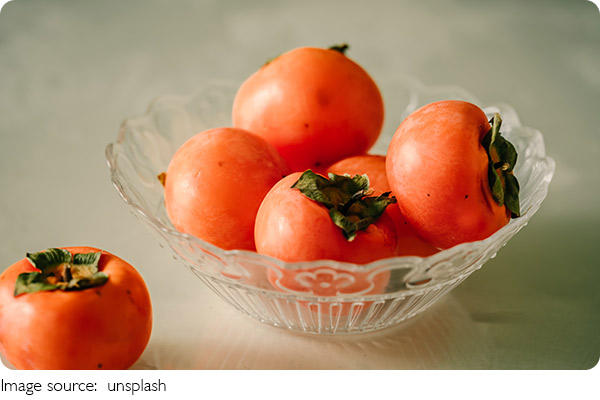
As autumn air becomes cooler, bright orange persimmons begin appearing at markets and in gardens everywhere. Hanging on branches like glowing lanterns, they instantly make the season feel warmer and more colorful.
Persimmons are loved for their smooth texture and naturally sweet flavor. However, freshly picked ones are often hard and very astringent. Taking a bite too early can leave the mouth feeling dry and uncomfortable.
Because ripe persimmons are also attractive to birds and insects, many people harvest them while still slightly firm and allow them to soften indoors. The good news is that there are several easy and practical ways to help persimmons ripen faster at home. With a little patience and a few simple items from the kitchen, we can enjoy soft and sweet persimmons within days.
Method One: Ripen Persimmons With Apples
This is one of the most common and easiest methods for softening persimmons naturally.
First, place the persimmons inside a thicker plastic bag or paper bag. Then add one or two apples depending on how many persimmons we have. Tie or fold the bag tightly and keep it in a dry, airy corner indoors.
Apples naturally release ethylene gas, which helps nearby fruit ripen more quickly. Inside the sealed bag, the gas stays concentrated around the persimmons and speeds up the softening process.
After about four to five days, the persimmons usually become much softer and sweeter. Their rough, dry taste also fades away, making them far more enjoyable to eat.
For better freshness, open the bag briefly once each day to check for extra moisture. If needed, gently wipe away water droplets using a clean tissue.
Method Two: Bury Them in Rice
Rice is not only a daily kitchen staple. It can also help create a warm and dry environment for ripening fruit.
Before placing the persimmons into the rice, gently wipe the surface clean with a dry cloth or tissue. Then bury the fruit completely inside a container or bag filled with rice.
The rice helps maintain steady warmth while absorbing extra moisture from the fruit surface. This balanced environment supports natural ripening and helps improve texture.
Leave the persimmons inside for around three or four days. After that, gently press the fruit with your fingers. If the surface feels soft, the persimmons are ready to enjoy.
This method works especially well during cool autumn weather because the rice helps keep the fruit from becoming too cold overnight.
Method Three: Warm Water Using a Rice Cooker
Warmth is another simple way to help persimmons become sweet and soft more quickly.
Place the persimmons inside a rice cooker and pour in warm water around 40°C until the fruit is fully covered. Close the lid and select the “keep warm” setting.
Let the persimmons stay in the warm water for about one full day. The gentle heat encourages the fruit to ripen evenly and helps reduce the astringent flavor.
After soaking, remove the persimmons carefully and dry them with a clean cloth. The texture should feel softer, and the flavor will become smoother and naturally sweet.
It is important to avoid overly hot water because high temperatures may affect the fruit’s texture and freshness.
Method Four: Use Toothpicks Carefully
Persimmons naturally release ethylene gas on their own, but this process can be quite slow. A simple toothpick trick can help speed things up.
Use a toothpick to gently poke several small holes around each persimmon. The holes should stay shallow and evenly spaced. Then wrap each fruit with plastic wrap to help keep dust away from the openings.
Place the wrapped persimmons into a sealed bag and store them at room temperature for several days.
The tiny holes help the fruit release ripening gas more efficiently, which encourages faster softening. During this time, check the fruit daily to make sure it stays fresh and clean.
How to Choose Better Persimmons
Good ripening begins with selecting quality fruit.
Choose persimmons with smooth skin, bright color, and a firm but healthy appearance. Avoid fruit with large dark marks, broken skin, or overly soft spots.
Fresh-looking leaves attached to the top are also a good sign. Medium-sized persimmons often ripen more evenly and are easier to store indoors.
If we plan to ripen persimmons at home, slightly firm fruit is usually the best choice because it softens gradually without becoming overly mushy too quickly.
Enjoy the Sweet Flavor of the Season
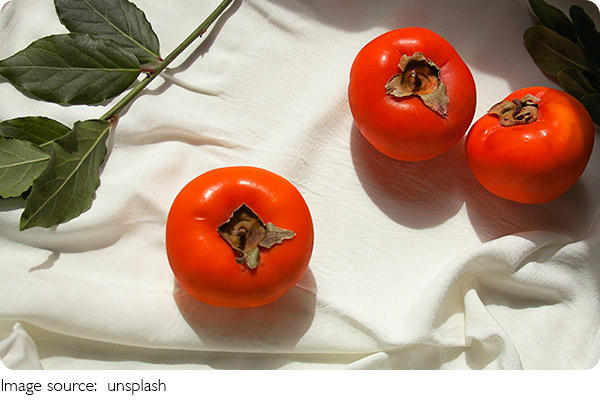
Persimmons bring warmth and comfort to autumn days. Their golden-orange color brightens kitchens and dining tables, while their soft texture makes them a favorite seasonal fruit for many families.
A few simple kitchen tricks can help firm persimmons become soft, smooth, and naturally sweet within several days. These methods are easy to try at home and do not require special tools or complicated steps.
The next time fresh persimmons arrive in our kitchen, we can give one of these ideas a try and enjoy a sweeter, softer taste that makes autumn feel even more special.