Home Floral Styling

Raghu Yadav
| 13-05-2026
 · Lifestyle team
Fresh flowers have a way of changing a room without asking for attention.
One small arrangement on a table can shift the mood of the whole space, even if everything else stays exactly the same.
The interesting part is that it doesn't take complicated styling or expensive pieces—just a bit of attention to placement, shape, and how everything sits together in the room.
Flowers at home work best when they feel natural, not overly arranged. A slightly uneven stem or a loose shape often looks more relaxed and fits everyday living better than something too rigid. It's less about perfection and more about creating a small moment of freshness that quietly blends into your space.
Choosing flowers that fit your space
Not every flower behaves the same indoors, so selection matters more than it seems. Some blooms open up quickly and feel expressive, while others stay compact and structured for longer periods. A mix of both can keep arrangements interesting without feeling repetitive.
For smaller spaces, lighter stems and softer shapes usually work better because they don't overwhelm the surface they sit on. In larger rooms, fuller arrangements help balance open areas and prevent corners from feeling empty.
It also helps to think about how often you want to refresh them. Some people prefer quick-changing arrangements with seasonal rotation, while others go for longer-lasting flowers that slowly evolve over time. Both approaches work—it just depends on the rhythm of the home.
Vases and placement that feel natural
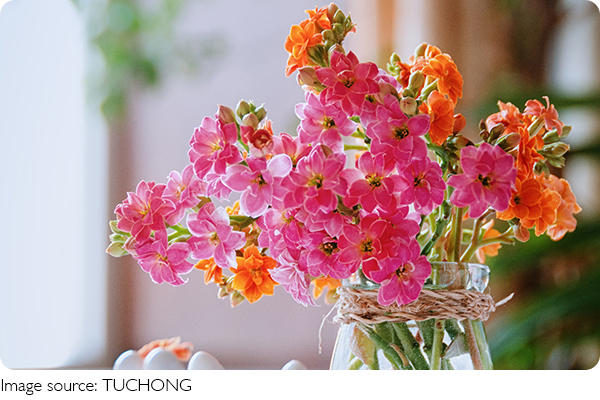
The vase is not just a container; it actually sets the tone for everything else. Clear glass gives a lighter feel and blends easily into most interiors, while ceramic pieces add more visual weight and grounding presence.
Shape matters too. Tall narrow vases guide stems upward and feel more structured, while wider openings allow flowers to spread out more casually. Mixing different vase types across rooms keeps the home from feeling too uniform.
Placement is where things really come alive. A dining table arrangement becomes a quiet focal point during meals, while a small cluster near a window catches natural light and shifts throughout the day. Even a single stem in a hallway corner can soften transitions between rooms.
Balancing color without overthinking it
Color doesn't need to follow strict rules, but a bit of balance helps everything feel intentional. Soft neutrals like whites, creams, and light greens usually blend easily into most interiors and create a calm backdrop.
If you want more energy, adding a single stronger tone among softer shades can create contrast without overwhelming the space. The key is avoiding too many competing colors in one spot, which can make the arrangement feel visually busy.
Repeating one or two tones across different rooms can also subtly connect the whole home. It's a small detail, but it creates a sense of flow when moving from one space to another.
Keeping arrangements fresh day to day
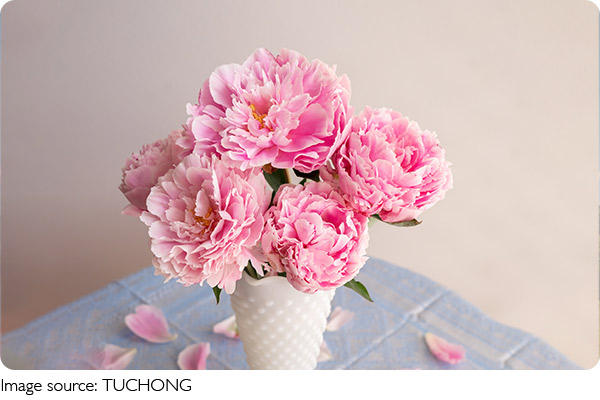
Flower care at home is mostly about small, consistent habits. Changing water regularly helps keep stems looking fresh longer, and trimming the ends slightly every few days improves how they absorb moisture.
Removing any fading petals early also keeps the arrangement looking clean without much effort. It's a quick step that prevents the whole display from losing its energy too early.
Light placement matters as well. Keeping arrangements away from strong heat sources helps them stay stable, while a cooler spot near natural light often extends their visual life.
At the end of the day, home floral styling is less about rules and more about rhythm. Small, thoughtful touches spread across the space quietly build a living environment that feels fresh without trying too hard.