Cut & Keep Fresh

Camille Dubois
| 18-05-2026
 · Cate team
Slice into an apple and leave it on the counter for twenty minutes. You already know what happens. That satisfying white flesh turns dull and sad, and the window for enjoying it narrows fast.
Cutting fruit kicks off a chain reaction the moment the flesh hits oxygen — enzymes activate, moisture escapes, and spoilage creeps in from every exposed edge.
Acid Is Your Best Tool
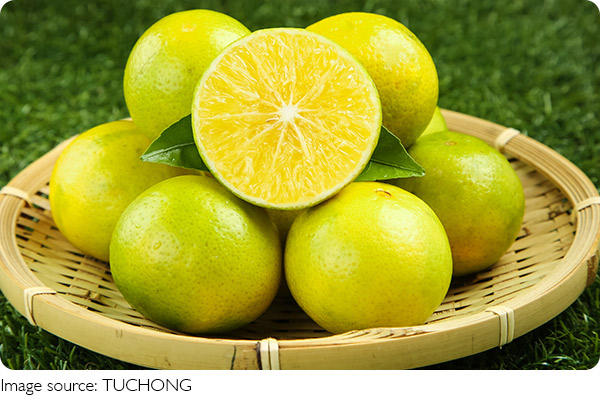
A quick toss in lemon juice, lime juice, or diluted vinegar slows down browning on apples, pears, peaches, and avocados. The acid interrupts the enzyme activity that causes oxidation. Not a drizzle — actually toss the pieces until they're lightly coated. For avocado specifically, leaving the pit in the unused half and wrapping it tightly helps too.
Airtight Containers Are Non-Negotiable
Oxygen is what speeds everything up. Glass containers with tight-fitting lids or BPA-free plastic with a proper seal do the job — not plastic wrap loosely tossed over a bowl. Line the container with a dry paper towel to absorb moisture, especially for berries. Berries go mushy fast because they hold excess water.
Know Which Fruit Stays Outside the Fridge
Stone fruits — peaches, nectarines, plums — should ripen on the counter first, then move to the fridge once ready. Putting them in cold too early stunts flavor development. Bananas shouldn't be refrigerated uncut at all. Tomatoes kept cold turn mealy in texture and lose flavor. Whole melons can sit in a cool, dark spot but go straight to the fridge once cut.
Keep Fruit and Vegetables Separate
Apples, pears, and avocados release ethylene gas that speeds ripening in nearby produce — and not always in a good way. Store them separately from ethylene-sensitive items like berries and leafy greens to prevent accelerated spoilage.
When Frozen Is Actually the Better Call
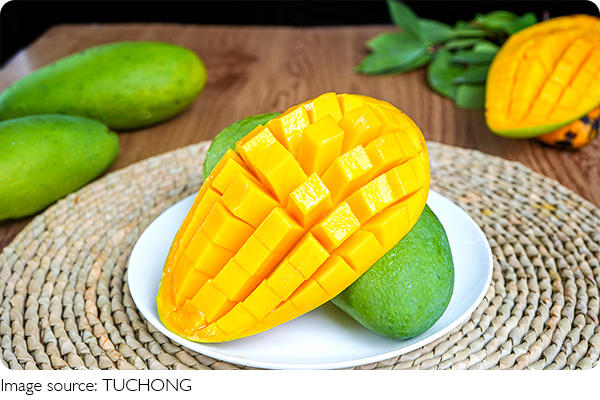
Cut fruit you can't finish in three to five days is best frozen. Spread pieces flat on a parchment-lined tray first, freeze until solid, then transfer to an airtight bag. This way nothing clumps, and you have ready-to-use fruit for smoothies whenever you need it.
The difference between fruit that lasts and fruit that spoils in a day usually comes down to one or two small steps — a squeeze of citrus, a better container, the right shelf in the fridge.