Car Care You Can't Skip

Sofia Alvarez
| 13-05-2026
 · Automobile team
The average car sits in a driveway doing nothing for most of the day. But when it does run, it's relying on dozens of systems that gradually wear down, dry out, or fill up with contaminants.
Staying ahead of that process doesn't take much — it takes knowing what to check and when to check it.
Oil — The Monthly Check
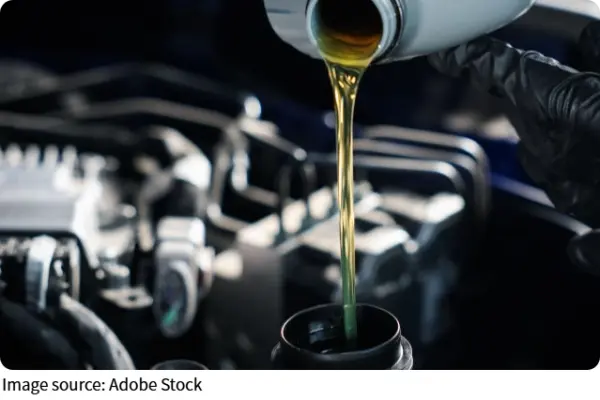
Engine oil lubricates moving parts, reduces friction, and helps prevent overheating. Pull out the oil dipstick, wipe it clean, insert it again, then pull it out to check the level and color. Clear, amber-colored oil is healthy. Dark, gritty oil means a change is overdue. Most manufacturers recommend changing it every 3,000 to 5,000 miles, though vehicles using full synthetic oil can often go longer. When in doubt, check the owner's manual.
Brakes — Pad Life and Fluid
Brake pads typically last between 25,000 and 50,000 miles depending on driving style — urban driving with frequent stops wears them out faster. Squealing when braking is often the built-in wear indicator doing exactly what it's designed to do.
Don't ignore it. Beyond the pads, brake fluid needs attention too. Dark black fluid indicates contamination and potential brake system issues. A fluid change approximately every two years protects the hydraulic components from corrosion and keeps the brake pedal feeling firm and responsive.
Tire Pressure and Rotation
Under-inflated tires don't just risk a blowout — they also reduce fuel efficiency and cause uneven wear. Check pressure at least once a month using a gauge; the correct PSI is on a sticker inside the driver's door or in the manual. Tire rotation every six months or 6,000 to 8,000 miles prevents uneven wear patterns, since front and rear tires wear at different rates due to the different loads and forces they handle.
Battery — Know the Signs Early
Car batteries typically last 5 to 7 years, but cold weather shortens that window considerably. A slow engine crank on a cold morning is one of the clearest early warnings. Other signs include dimming headlights, accessories that seem sluggish, or a battery warning light. Many auto parts stores will test the battery for free, which takes about two minutes and gives you a clear health reading before it fails at an inconvenient moment.
Fluids Beyond the Oil
Coolant keeps the engine from overheating and protects against corrosion inside the cooling system. Transmission fluid lubricates the gears. Power steering fluid keeps the steering responsive. Windshield washer fluid is easy to overlook until it runs out on a dirty stretch of highway. Check all of these monthly or whenever you check the oil. Most reservoirs have clear markings for minimum and maximum levels and are designed to be checked without tools.
Air Filter and Windshield Wipers
A clogged air filter restricts airflow to the engine, reducing both performance and fuel efficiency. Replace it every 12 months or 12,000 miles — it's a straightforward job that takes minutes with basic tools. Windshield wipers generally need replacing every six months to a year. Streaking or skipping across the windshield in rain is the obvious sign. New blades are inexpensive and something most people can swap in the driveway without any tools at all.
Timing Belt — The Silent One
Not every car has one, but if yours does, it's critical. There's rarely any warning when a timing belt fails — it just goes. Manufacturers typically recommend replacing it between 60,000 and 100,000 miles. Check the manual or ask your mechanic whether your specific vehicle has a timing belt or timing chain (chains generally don't need replacement on the same schedule).

Car maintenance isn't complicated. It's about knowing a handful of simple checks and doing them regularly. Oil, brakes, tires, battery, fluids, filters — that short list covers nearly everything that leaves drivers stranded. Spend 15 minutes a month on these basics, and your car will reward you with years of dependable service.