Beyond the Car Wash

Liam Reilly
| 14-05-2026
 · Automobile team
A trip through the automatic car wash gets the mud off.
That's about it. What it doesn't do is address the brake dust bonded to your wheels, the oily film building up on the inside of the windshield, or the embedded grit sitting in the paint that writes "wash me" on contact.
A real detail tackles all of that — and it's more systematic than most people realize.
Start With the Right Tier
Professional detailers don't deep-clean everything every time. They work in tiers. A weekly or post-heavy-use wash focuses on a thorough two-bucket exterior wash and immediate drying. Monthly, wheels and tires get proper attention along with a quick interior vacuum.
Two to three times a year, the full sequence — wash, clay, wax, complete interior clean including vents and glass — is worth doing. The layered approach keeps the car in good condition without making every wash a four-hour project.
The Two-Bucket Wash Method
One bucket holds clean rinse water, the other holds soapy wash water. The distinction matters. When you dip a dirty wash mitt back into a single bucket of water, you're putting road grit back into the soap you're about to drag across the paint. The two-bucket method keeps abrasive particles in the rinse bucket and off the paint surface. Use a chenille microfiber mitt — not a sponge — and wash from the top of the car downward, since the lower panels are always dirtiest.
Clay Bar — The Step Most People Skip
After washing, run your hand along a clean, dry panel. If it feels rough or gritty, contaminants like brake dust, industrial fallout, and road film have bonded to the surface. A clay bar removes them without scratching. Apply lubricant spray first, then work the clay bar in small sections using overlapping linear passes. Never in circles. Fold the clay bar to expose a clean face regularly. Clay once the paint fails this "feel test," or two to three times a year. Always follow with wax or sealant, since claying removes existing protection.
Wax — Protection, Not Just Shine
Wax fills minor surface imperfections, adds gloss, and creates a UV-protective barrier over the clear coat. Paste and liquid waxes provide better protection than spray waxes. Carnauba wax gives a warmer, deeper shine; synthetic sealants last longer but look slightly different. Either way, apply to a cool, shaded surface in thin, overlapping passes. Let it haze over 5 to 10 minutes, then buff off with a clean microfiber towel.
Interior — Work in Order
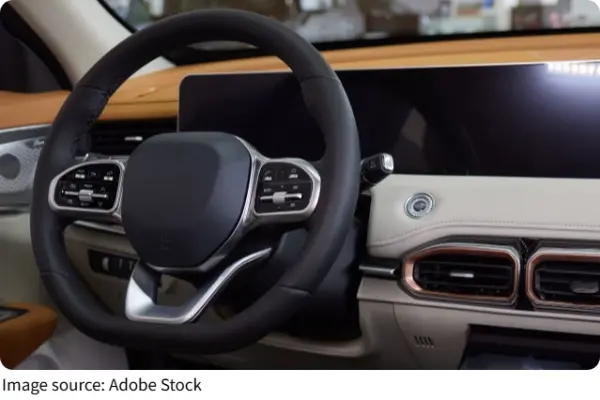
Start by removing all loose items and floor mats. Vacuum thoroughly — seats, carpets, crevices, under seats. Use a detailing brush to get into air vents before wiping surfaces down. Plastic surfaces need an automotive interior cleaner, not household products. Household cleaners often contain chemicals that degrade plastics and vinyl over time. Interior glass accumulates a hazy film from off-gassing plastics. Standard glass cleaners with ammonia can damage tint film and dry out rubber seals — use a dedicated automotive glass cleaner.
Common Mistakes Worth Avoiding
Cleaning in direct sunlight causes products to dry too fast, leaving residue and marks. Using the same towels on wheels and paint transfers brake dust to the paint surface. Applying product to a hot surface often leads to streaks, smears, and difficulty removing it later. Taking it slowly and in a shaded spot makes the whole process noticeably easier and delivers better results.