Reef Life Wonders

Naveen Kumar
| 13-05-2026
 · Animal team
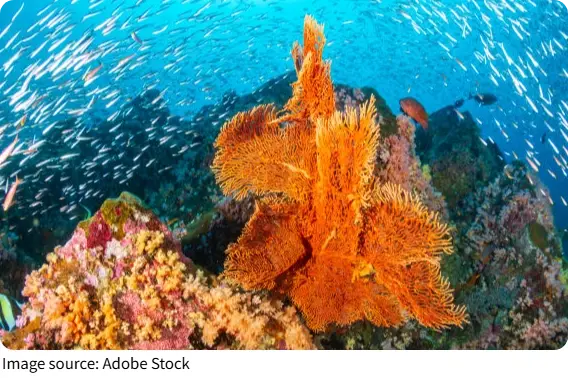
Have you ever imagined a city beneath the sea, filled with vibrant colors, bustling activity, and incredible biodiversity? That's what coral reefs are to marine life—a complex, living structure teeming with creatures great and small.
Let's take a deep dive into how coral reefs play a vital role in supporting marine animal life and why their conservation is more important than ever.
What Are Coral Reefs?
Coral reefs are underwater ecosystems formed by colonies of tiny animals called coral polyps. Over thousands of years, these polyps build calcium carbonate structures that become home to a dazzling variety of marine organisms. The most famous coral reef system in the world, the Great Barrier Reef, stretches over 2,300 kilometers off the coast of Australia and supports an extraordinary range of species.
Though they cover less than 1% of the ocean floor, coral reefs support about 25% of all marine life. That makes them one of the most biodiverse ecosystems on the planet—often called the "rainforests of the sea."
Safe Havens for Marine Species
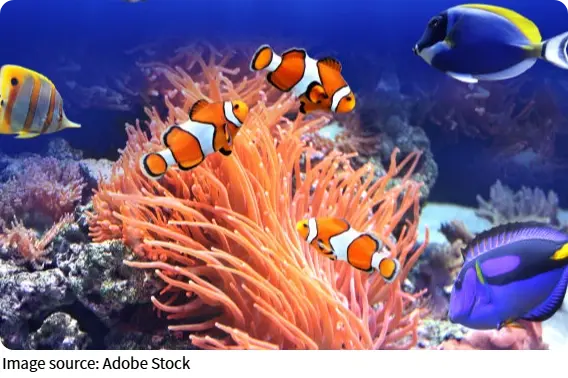
One of the most important roles of coral reefs is providing shelter for marine animals. The complex shapes and crevices of coral structures offer hiding spots for fish, octopuses, and other creatures. These natural "apartments" protect small and vulnerable species from predators.
Fish such as clownfish, gobies, and damselfish live among the corals and rely on them for survival. Many juvenile fish use coral reefs as nurseries, growing up in the safety of the reef before migrating to open waters.
Feeding Grounds for Marine Life
Coral reefs are rich feeding grounds. Their abundance of algae, plankton, and tiny invertebrates draws in all kinds of species. Herbivores graze on the algae that grow on coral surfaces, while carnivores hunt for shrimp, snails, or small fish hiding among the coral branches.
Predators such as reef sharks, moray eels, and groupers rely on the reef's ecosystem to find their next meal. The variety of food sources makes reefs an essential part of the marine food web.
Reefs and Reproduction
Coral reefs also serve as important breeding and spawning areas. Many fish species return to reefs year after year to lay their eggs. The structure of the reef protects eggs and young larvae from strong currents and predators, increasing their chances of survival.
Certain reef events, such as coral spawning, involve a synchronized release of eggs and male reproductive cells into the water, often timed with moon cycles. These mass events provide an incredible display of nature's rhythm and are vital to the continuation of reef ecosystems.
Symbiotic Relationships
The survival of coral reefs depends on mutual cooperation among species. One of the most famous examples is the relationship between coral polyps and zooxanthellae—microscopic algae that live inside the corals. The algae produce oxygen and food through photosynthesis, while the coral offers them a safe place to live.
Similarly, cleaner fish and shrimp help keep larger fish free of parasites. These relationships create a balanced system where different species benefit from each other, helping maintain reef health.
Protecting Coastal Communities
In addition to supporting marine animals, coral reefs benefit human populations by protecting coastlines. Reefs act as natural barriers that absorb wave energy, reducing erosion and storm damage. According to research by the U.S. Geological Survey, coral reefs can reduce wave energy by up to 97%, making them essential for coastal safety.
By preserving reefs, we not only help marine life but also protect homes, ports, and tourism industries in coastal areas.
Coral Reefs and Climate
Coral reefs contribute to carbon cycling in the ocean. Through the process of calcification, corals sequester carbon, helping regulate atmospheric carbon dioxide levels. While not as large-scale as forests or wetlands in carbon storage, reefs still play a supporting role in climate balance.
Moreover, healthy reefs are better able to withstand rising ocean temperatures, making them crucial buffers against climate change impacts in the marine environment.
The Threats Facing Coral Reefs
Unfortunately, coral reefs are in danger. Threats such as climate change, ocean acidification, pollution, and overfishing have led to widespread coral bleaching and reef degradation. According to the National Oceanic and Atmospheric Administration (NOAA), over 50% of coral reefs worldwide are considered to be at high or very high risk.
When coral dies, the entire ecosystem begins to collapse. The loss of shelter, food, and breeding grounds causes fish populations to decline, which can affect fishing industries and biodiversity for years to come.
Global Conservation Efforts
Conservation organizations, scientists, and governments are working together to restore coral reefs and reduce the human activities harming them. Initiatives such as coral farming, reef restoration, and marine protected areas are helping rebuild lost reef areas and promote recovery.
For example, the Coral Restoration Foundation in Florida grows corals in underwater nurseries and replants them on damaged reefs, giving marine life new places to thrive.
What You Can Do
You don't have to live near the ocean to help protect coral reefs. Here are a few ways you can make a difference:
• Reduce single-use plastics to help prevent ocean pollution.
• Support reef-friendly tourism that respects marine habitats.
• Use reef-safe sunscreen that doesn't harm coral ecosystems.
• Donate to coral conservation groups working on reef restoration.
• Educate others about the importance of reef preservation.
Even small efforts can have big impacts when multiplied by millions of people.
A Shared Future
Coral reefs are not just stunning underwater landscapes—they are life-support systems for countless marine animals and vital to the balance of our oceans. By understanding their importance and acting to protect them, we ensure a thriving ocean for future generations.
Next time you see a documentary or photo of a coral reef, think beyond the beauty. Think of the lives they support. Are you ready to become a reef protector? 🌊🐠