Tilted & Curious

Mason O'Donnell
| 13-05-2026
 · Animal team
Few canine behaviors create an instant emotional connection quite like the classic head tilt. A dog hears a familiar phrase, notices an unusual sound, or watches its owner closely, then slowly angles its head to one side as if carefully analyzing every detail.
To humans, it looks thoughtful and deeply attentive. But behind that adorable reaction lies a surprisingly complex mix of hearing, vision, learning, and neurological processing.
Dogs May Tilt Their Heads to Pinpoint Sound
One of the strongest explanations involves how dogs interpret sound. A dog’s hearing is dramatically more sensitive than a human’s, especially when detecting high-frequency noises or subtle changes in direction. Tilting the head may help adjust the position of the ears so the dog can better identify where a sound is coming from.
Many owners notice this behavior when making unfamiliar noises, using unusual tones, or speaking words their dog recognizes. The movement often appears immediately after the dog hears something interesting, suggesting the animal is actively processing auditory information rather than reacting randomly. Researchers studying canine behavior have observed that dogs frequently turn or angle their heads when trying to localize sounds. This may improve the way sound waves enter each ear, helping the brain compare timing differences and determine direction more accurately. In practical terms, the tilt could function like a biological sound adjustment system.
Interestingly, dogs sometimes tilt in different directions depending on the sound itself. This has led some scientists to explore whether different sides of the brain become more active when processing certain types of information, especially emotionally meaningful words or familiar commands.
Face Structure Can Influence the Behavior
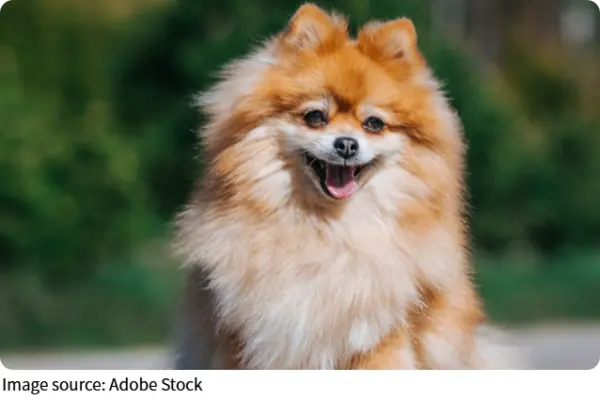
A dog’s head shape may also affect how often it tilts. Breeds with long snouts, such as Greyhounds or Collies, may partially block their forward vision when focusing on close objects or human face expressions. Tilting the head could improve their line of sight by allowing them to see around the muzzle more clearly.
This theory gained attention after comparisons between long-nosed breeds and flatter-faced dogs like Pugs or Bulldogs. Dogs with shorter snouts appear less likely to perform dramatic head tilts during human interaction, possibly because their face structure already allows a clearer view of expressions and mouth movements. Visual communication matters greatly to dogs. They constantly observe subtle cues such as eye contact, lip movement, posture, and body language. A slight adjustment of the head may help sharpen that visual information during moments of concentration.
Head Tilting May Be Linked to Memory and Intelligence
Recent behavioral studies suggest the movement may involve deeper cognitive processing rather than simple curiosity. In experiments involving “Gifted Word Learner” dogs, researchers found that dogs capable of memorizing numerous toy names tilted their heads far more frequently when hearing familiar words.
These dogs were able to associate spoken labels with specific objects and retrieve them accurately. During testing, they often tilted their heads immediately after hearing the requested toy’s name, almost as if mentally searching for the matching memory. Scientists believe the behavior could reflect an active process of recognition and association. Instead of merely hearing a sound, the dog may be attempting to connect language with stored visual memories or previous experiences. This helps explain why many dogs tilt their heads during emotionally significant phrases like “Want to go outside?” or “Where’s your ball?”
Another fascinating detail emerged from the research: many dogs consistently tilted toward the same side. This suggests individual brain preference may influence the behavior, similar to handedness in humans.
Human Reactions Reinforce the Habit
Dogs are exceptionally skilled at reading human emotion and adapting behaviors that produce positive responses. When a dog tilts its head, most people immediately smile, laugh, praise the animal, or speak affectionately. Over time, dogs may learn that the movement generates rewarding social interaction.
This reinforcement does not mean the behavior is fake. Instead, it likely begins naturally and becomes more frequent because the dog associates it with attention and emotional connection. In highly social species like dogs, behaviors strengthened through positive human reactions tend to become part of everyday communication. Some dogs eventually perform head tilts intentionally when seeking engagement, rewards, or reassurance from their owners.
When a Head Tilt Signals a Medical Problem
While occasional head tilting during interaction is normal, a constant or unexplained tilt can indicate a serious health issue. Veterinary professionals pay close attention to persistent head positioning because it often points to disorders involving the inner ear or nervous system.
Ear infections are among the most common causes. Inflammation inside the ear canal can create discomfort, balance problems, or pressure changes that make the dog hold its head unevenly. Dogs with severe infections may also scratch excessively, shake their heads, or develop a foul odor around the ears.
More concerning cases involve vestibular disease, a condition affecting balance and spatial orientation. Dogs suffering from vestibular disorders may stumble, walk in circles, fall sideways, drool excessively, or appear dizzy. The head tilt in these situations is usually constant rather than situational.
Tumors, neurological damage, ruptured eardrums, and toxin exposure can also produce abnormal tilting. Because the symptoms can progress quickly, sudden or continuous head tilting should never be ignored. Immediate veterinary evaluation is essential, especially if coordination problems appear alongside the posture change.
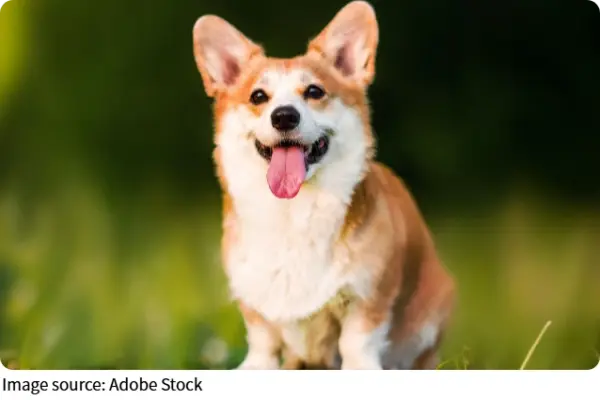
The dog head tilt remains one of the clearest reminders that canine communication extends far beyond barking or tail wagging. Whether the movement helps sharpen hearing, improve vision, retrieve memories, or strengthen social bonding, it reflects an animal actively engaging with the world around it.