Climb Smart: Essential Tips

Owen Murphy
| 13-05-2026
 · Sport team
Before we start any mountain climbing journey, preparation is the foundation for a smooth and enjoyable experience.
We often think climbing is just about physical strength, but in reality, it is also about planning, packing smartly, and understanding the environment we are stepping into.
A well-prepared climb reduces unnecessary stress and helps us focus on the scenery, rhythm, and personal pace. Whether we are heading for a short hill walk or a longer ascent, the right preparation makes all the difference.
Understanding The Route And Conditions
Before we set out, we should always learn about the route. This includes distance, elevation gain, estimated duration, and rest points along the way. A simple map or official trail guide can help us avoid confusion during the climb.
Weather conditions are equally important. Mountain weather can change quickly, especially at higher altitudes. Even a sunny morning may turn windy or cooler later in the day. Checking the forecast helps us decide what to wear and what to carry.
We should also be aware of daylight hours. Starting too late can result in descending in low visibility, which is unsafe and uncomfortable.
Choosing The Right Clothing
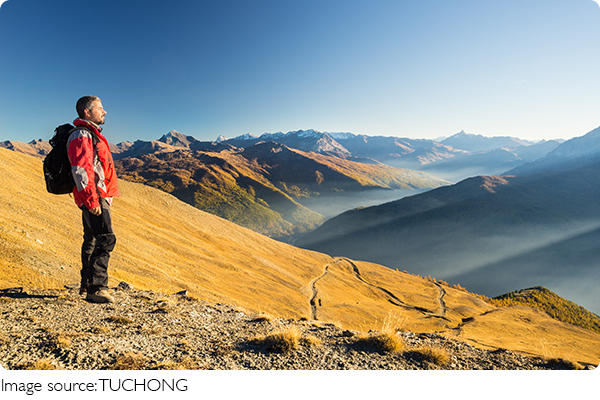
Clothing plays a major role in comfort during mountain climbing. The key idea is layering.
We can start with a breathable inner layer that helps manage sweat. On top of that, a light middle layer provides warmth if the temperature drops. Finally, a wind-resistant outer layer helps protect us from sudden weather changes.
Comfortable pants with flexibility are better than stiff materials. Footwear is especially important; a pair of supportive hiking shoes with good grip can help prevent slipping on uneven paths.
Accessories such as a sun hat and sunglasses are useful when climbing under strong sunlight. They protect us from glare and reduce fatigue.
Essential Gear For Safety And Support
A lightweight backpack is essential for carrying all necessary items without adding unnecessary pressure to the body. It should distribute weight evenly across the shoulders and back.
A trekking pole can provide extra balance, especially on steep or uneven paths. It helps reduce pressure on the knees during both ascent and descent.
A compact rain cover or foldable rain protection is important because mountain weather can shift unexpectedly. Being prepared helps us continue the journey without discomfort.
A flashlight or headlamp is helpful in case the trip extends into lower light conditions. Even if we plan to finish early, having a backup light source is a smart choice.
A fully charged power bank ensures that our mobile device remains usable for navigation and communication throughout the trip.
Food And Water For Steady Energy
Energy management is an important part of climbing. We should carry lightweight food that is easy to eat and provides steady energy.
Simple options like bread, nuts, dried snacks, and fruit are good choices. They are easy to carry and do not require preparation during the climb.
Water is even more important than food. Staying hydrated helps maintain strength and focus. It is better to drink small amounts regularly rather than waiting until we feel thirsty.
We can also bring an extra bottle to avoid running out during the journey, especially on longer routes where refilling may not be possible.
Basic Personal Care And Protection
Small items can make a big difference in comfort. Sunscreen helps protect our skin during long exposure to sunlight. Lip balm can also help in dry or windy conditions.
Simple adhesive bandages are useful for minor scratches or friction points caused by shoes or gear. Insect protection spray may be useful in certain natural environments.
These items do not take much space but provide extra comfort and peace of mind during the climb.
Planning The Pace And Rest Strategy
A good climbing experience is not about speed, but about steady rhythm. We should set a comfortable pace from the beginning instead of rushing early and tiring quickly.
Short breaks at regular intervals help the body recover. It is better to rest before feeling completely exhausted, which keeps energy levels more stable.
We should also plan return timing carefully. Knowing when to turn back ensures we avoid descending in darkness or rushing through difficult terrain.
Final Thoughts For A Better Climb
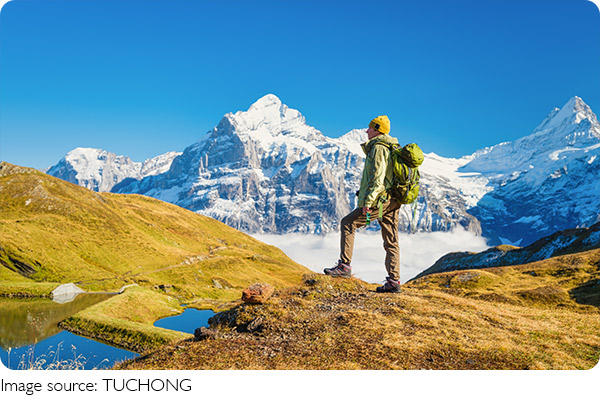
Mountain climbing becomes much more enjoyable when we prepare intentionally. It is not just about reaching the top, but about enjoying every step along the way.
With the right planning, suitable clothing, essential gear, and steady pacing, we can turn a simple climb into a memorable experience.
Lykkers, every mountain has its own rhythm, and when we prepare well, we are able to move with it more naturally and confidently. Stay ready, stay aware, and enjoy the journey upward.