Hit the Road Right

Elena Rossi
| 14-05-2026
 · Automobile team
There's something genuinely different about covering ground on a motorcycle versus sitting in a car. You smell things. You feel the temperature change as the road climbs or drops.
Every curve in the highway comes through the handlebars and into your whole body. It's a much more immediate experience — and that's exactly why it takes more preparation.
A motorcycle road trip done well is one of the best things you can do on two wheels. Done without planning, it's a very different story.
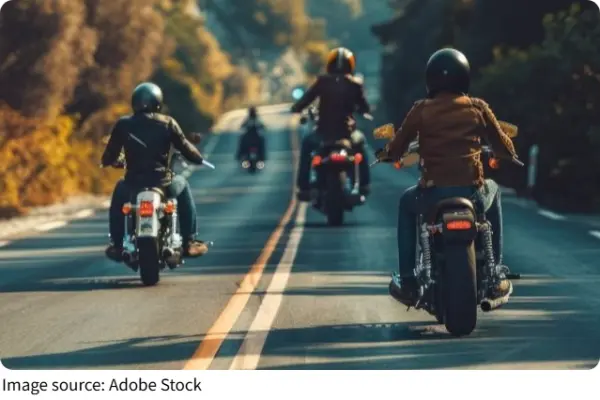
Choose the Right Bike for Touring
Not every motorcycle is happy covering big miles day after day. If you're going on a long trip, spend time actually thinking about whether your bike fits your body well enough for hours in the saddle.
Handlebars, footpegs, seat, and suspension all affect how you feel after 300 miles. Small adjustments — highway pegs for stretching your legs, a windshield to reduce wind fatigue — can make an enormous difference on longer days. Also confirm whether your bike has enough storage, or whether you'll need to add luggage. Most riders comfortably cover 200 to 400 miles a day; plan around that.
Pack for Weather, Not Just the Forecast
On a motorcycle, you can't just wait out the rain inside your vehicle. You're in it. Temperatures vary significantly with elevation, and conditions change faster than any weather app predicts. Pack in layers. At minimum, carry a rainsuit, waterproof gloves, and boot covers — easily accessible, not buried under everything else.
If you're riding in cooler months, heated gear is a serious upgrade worth the investment. Buy it before you need it; heated jacket and glove liners that plug into the bike's power system can turn miserable riding into pleasant riding almost instantly.
Service the Bike Before You Go
A long trip is not the time to discover that your chain is overdue for attention or your brake pads are worn thin. Service the bike properly before departure — oil, chain, tires, brakes, lights, all of it. Carry a basic toolkit and know how to use it.
Check tire pressure every morning before you ride, and glance at oil levels whenever you stop. Know your bike's fuel range and how many miles you can realistically travel between fill-ups. In remote areas, that information can save a very long walk.
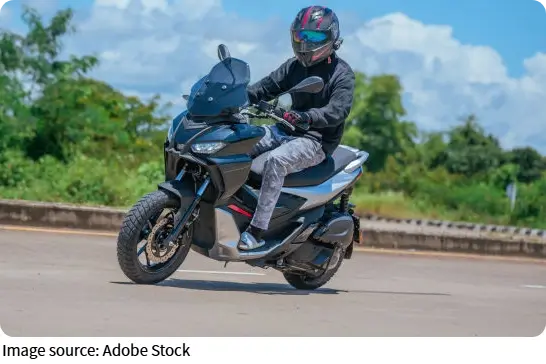
Plan the Route — But Stay Flexible
Map out your daily goals in advance, including planned fuel stops and accommodation. Book lodging ahead if you're travelling during a busy period — arriving in a town exhausted after 350 miles and discovering every motel is full is not a fun situation. At the same time, don't over-schedule. Part of what makes a motorcycle trip memorable is the ability to pull off when something looks interesting. Leave space in the plan for that.
Fatigue on a motorcycle isn't just uncomfortable, it's dangerous. Long rides require real breaks — get off the bike, stretch, eat something, drink water. Snacks like nuts, dried fruit, and energy bars are easy to carry and useful between proper meals. Stop every couple of hours minimum. The miles will still be there after lunch.