Your First Bike Tips
Samir
| 14-05-2026
 · Automobile team
Choosing a first motorcycle is genuinely exciting. It's also genuinely easy to get wrong.
Most riders look at what they think they want — the big cruiser, the sporty race-replica — and buy on instinct. Some get lucky.
Others spend a frustrating first year fighting a bike that was never suited to where they are in their riding journey.
The better approach is to match the bike to who you are right now, not who you expect to be in two years. You can always trade up.
Start With Yourself, Not the Bike
Before you look at a single model, spend a few minutes thinking about what you actually want from riding. Daily commuting is very different from weekend canyon carving, and long-distance touring is different again. Knowing the answer shapes everything — the type of bike, the engine size, the seat height, the riding position.
Your body size matters too. If you're shorter or lighter, a heavy bike with a tall seat is going to feel intimidating at stops. Being able to get at least one foot flat on the ground when stationary gives you confidence that's hard to put a value on as a beginner.
Types of Bikes Worth Considering
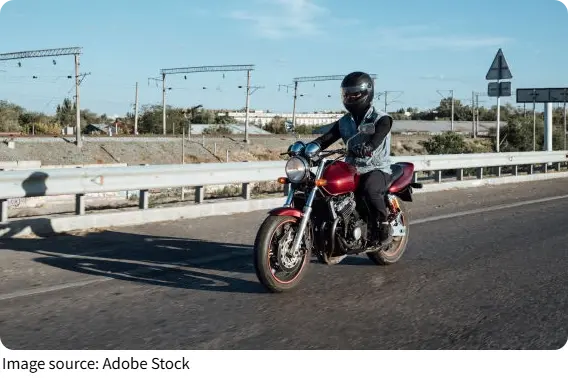
Standard or basic street bikes are the safest choice for most new riders. They have an upright, neutral riding position that's comfortable for commuting and easy to control. Engine sizes in the 300–650cc range work well for beginners — enough power for highways, not so much that a twitch of the throttle gets scary.
Cruisers sit low to the ground, which many shorter riders love. They're relaxed, stable at slow speeds, and the power delivery is usually gentle. The downside is they can be physically heavy and don't handle tight corners as neatly as other styles.
Entry-level sport bikes — 300cc or 400cc twins — are fun without being overwhelming. The forward-leaning riding position isn't the most comfortable for long days, but they teach good riding posture and are genuinely enjoyable on twisty roads. Just stay away from full 600cc race replicas until the basics are solid.
Engine Size and Weight Matter More Than People Think
The most common beginner mistake is buying too much power. A 250cc–500cc bike is plenty for learning — enough to handle highway speeds confidently, forgiving enough that small mistakes don't have huge consequences. As a rough guide, lighter bikes under 400 lbs (180 kg) are significantly easier to manage at low speeds and when maneuvering in parking lots.
New vs. Used
Used bikes make a lot of sense for a first purchase. You're going to drop it — not necessarily badly, but scuffed footpegs and a scratched engine cover are basically a rite of passage. Dropping a lightly used Kawasaki Ninja 400 hurts the ego a little. Dropping a brand-new bike with more features than you need hurts both the ego and the wallet. Get the used bike, learn on it, then buy the one you actually want.

Budget Beyond the Purchase Price
The bike is just the start. Good gear — helmet, jacket, gloves, boots — runs roughly $1,000–$1,500 for decent quality. Add insurance, registration, and basic maintenance costs. Factor all of it in before deciding what to spend on the bike itself.
The right first motorcycle isn’t the one that looks fastest in a magazine. It’s the one you feel comfortable sitting on, confident controlling at slow speeds, and happy to learn from every day. Buy used if you can. Budget for gear before you walk into a dealership. And remember: you’re not marrying this bike. You’re learning on it. Trade up when your skills outgrow it. Start smart, ride safe, and the right second bike will still be waiting for you.