Mu Cang Chai on Budget

Ravish Kumar
| 18-05-2026
 · Travel team
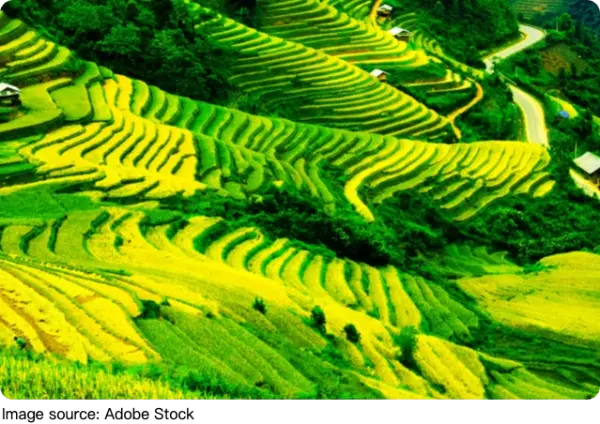
Mu Cang Chai is a stunning mountain destination in northern Vietnam, famous for its layered rice terraces carved into steep hillsides.
The area offers a peaceful escape where travelers can experience both natural beauty and traditional H’mong culture.
Each season brings a different landscape, from shimmering water fields to golden harvest slopes. This travel guide will help you explore Mu Cang Chai on a budget while covering transport, activities, food, and accommodation clearly.
Best Time to Visit Mu Cang Chai
The most recommended time to visit is from September to early October, when the rice terraces turn golden during harvest season. This is also when photographers and travelers flock to iconic viewpoints such as La Pan Tan and Che Cu Nha.
Another pleasant period is May to June, when local farmers flood the terraces for new planting. The water reflects the sky, creating mirror-like scenery across the valleys. Weather during these months is generally mild, with daytime temperatures ranging between 68°F to 82°F (20°C to 28°C).
How to Get to Mu Cang Chai and Transportation Costs
The journey usually begins from Hanoi, the capital of Vietnam.
Hanoi to Mu Cang Chai by bus: Overnight sleeper buses cost around $12–$18 per person. Travel time is approximately 8–10 hours depending on road conditions.
Private car or taxi from Hanoi: A more comfortable option costs between $120–$160 per vehicle one way, suitable for groups.
Motorbike rental (from Nghia Lo or Yen Bai towns): Daily rental costs around $8–$15 per day, ideal for adventurous travelers who want flexibility.
Móng ngựa Mù Cang Chải
Entrance Fees and Key Attractions
Mu Cang Chai is famous for its open natural landscapes, but some areas require small entrance or parking fees.
La Pan Tan Rice Terraces: Entry fee is approximately $2–$3, often collected at viewpoint access points.
Mam Xoi Hill viewpoint: Around $2 per person for maintenance of walking paths.
Tu Le Valley hot spring area: Entry is about $3–$5, depending on facility access.
Most trekking routes through villages like Che Cu Nha are free, though hiring a local guide is recommended for navigation and cultural insight. Guide services typically cost $15–$25 per day.
Things to Do in Mu Cang Chai
Trekking is the highlight activity here. Trails range from easy walks between rice terraces to more challenging hikes connecting remote villages. A half-day trekking tour usually costs $10–$20 per person, depending on group size and guide service. Another popular experience is visiting Tu Le Valley, where travelers can relax in natural hot springs after trekking. Entry and basic soaking facilities cost around $3–$6.
Where to Stay Options and Prices
Mu Cang Chai offers simple but comfortable lodging, mostly homestays and small eco-lodges.
Mu Cang Chai Ecolodge: Prices range from $35–$60 per night, including mountain-view rooms and breakfast. This is one of the more comfortable options in the area.
Hello Mu Cang Chai Homestay: A budget-friendly stay costing around $10–$20 per night, offering basic rooms and local family hospitality.
In nearby Tu Le area:
Le Champ Tu Le Resort: Mid-range accommodation priced at $60–$90 per night, featuring valley views and hot spring access.
Ba Khan Village Stay: Around $20–$40 per night, offering peaceful surroundings and simple wooden-style rooms.
Dining Experience and Local Food Costs
Food in Mu Cang Chai is simple, fresh, and locally sourced. Meals often feature rice, grilled meats, and seasonal vegetables.
Local family restaurants in Mu Cang Chai town: Meals cost around $2–$5 per dish, with options like grilled chicken, steamed rice, and vegetable soup.
Tu Le Valley eateries: Similar pricing, around $3–$6 per meal, often including sticky rice specialties.
Homestay dining: Many homestays offer full dinner sets for $6–$10 per person, usually featuring shared dishes.
Breakfast is often included in accommodation and typically consists of rice porridge, eggs, or bread with tea or coffee.
Budget Tips for Travelers
Mu Cang Chai is generally affordable compared to many tourist destinations in Southeast Asia. A comfortable daily budget, including accommodation, food, transport, and activities, ranges between $30–$60 per day. Travelers are advised to carry cash, as ATMs are limited in remote areas. Hiring local guides not only improves navigation but also supports the local community economy.
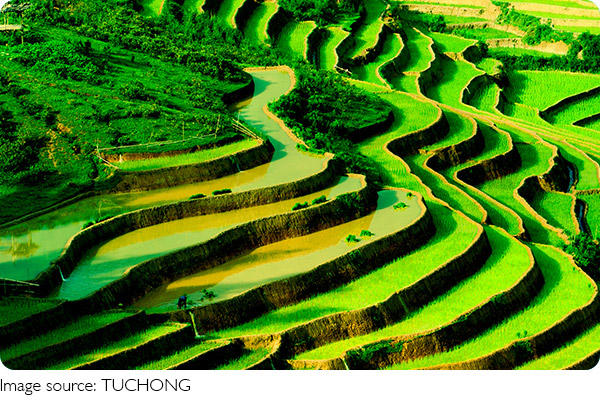
Mu Cang Chai is more than just a scenic destination; it is a living landscape shaped by generations of farming culture and mountain life. From golden terraces to peaceful valleys, every view feels authentic and untouched. With affordable travel costs, welcoming homestays, and meaningful cultural encounters, it offers a deeply rewarding experience for those willing to explore beyond the usual routes.