Parrot Sounds

Lucas Schneider
| 19-05-2026
 · Animal team
Many people are surprised when they first live with a parrot. A colorful and friendly bird can suddenly become very loud, especially in the morning or late afternoon. Some owners even wonder if something is wrong. In reality, vocal behavior is a normal part of a parrot’s life.
Parrots are highly social birds that depend on sound to communicate with others around them. Because of this, there is no completely silent parrot. Some species call less often but have powerful voices, while others make softer sounds repeatedly throughout the day.
Understanding the reason behind these sounds can help us better connect with our feathered companions.
Morning And Evening Calling Habits
Parrots are most vocal during sunrise and sunset. In the wild, parrots travel in groups and use calls to stay connected while searching for food or returning to resting areas.
Early in the morning, they call to check where their companions are. In the evening, they communicate again before settling down for the night.
Even pet parrots living indoors often keep this natural habit. This is why many birds become energetic and noisy during these parts of the day.
Using Sound As Daily Communication
Parrots use sounds almost like conversations. Different calls can mean different things, such as excitement, greeting others, or signaling activity nearby.
At home, parrots may call when they hear doors opening, lights turning on, or family members moving around. To them, these sounds are part of group communication.
Many parrots simply enjoy being involved in household activity.
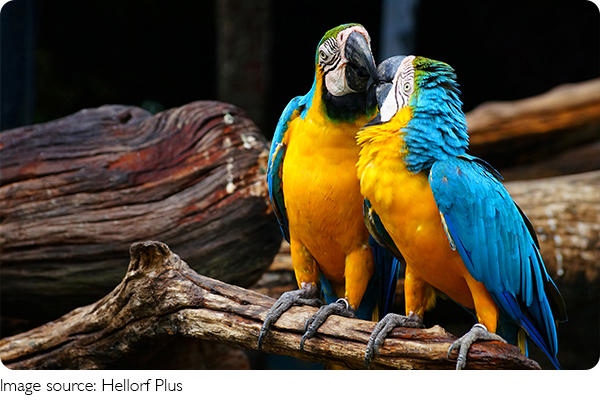
Trying To Get Attention
One common reason parrots become loud is because they want attention from their owners.
When birds notice people nearby, they may call repeatedly to encourage interaction. If owners immediately rush over every time the bird screams, parrots may learn that loud sounds are the quickest way to get attention.
A more effective method is rewarding calm behavior instead. When parrots quietly play alone or stay relaxed, we can offer gentle praise or a small treat. Over time, they begin connecting calm behavior with positive attention.
Excitement About Food Or Play
Parrots are intelligent and emotional birds. They often become loud when feeling happy or excited.
Fresh fruits, new toys, favorite people, or fun activities can all trigger energetic sounds. Some parrots flap their wings, climb around quickly, or repeat cheerful noises when they feel stimulated.
In many cases, this type of calling is simply an expression of enthusiasm.
Fear And Sudden Stress
Parrots may also scream when they feel frightened or uncomfortable.
Unexpected visitors, unfamiliar animals, sudden movement, or changes in the environment can create stress. Because parrots are naturally alert animals, they react quickly when something feels unusual.
Loud calls are often their way of warning others or expressing discomfort.
Creating a stable and calm environment can help reduce this type of reaction.
Environmental Noise Can Influence Parrots
Parrots are very sensitive to sounds around them. A noisy environment may encourage birds to become louder as well.
Television sounds, traffic, kitchen activity, loud conversations, and music can all affect how often parrots vocalize. Some birds even try to imitate the sounds they hear every day.
Keeping the cage in a quieter part of the home may help reduce excessive noise.
Learning By Repeating Sounds
Parrots are famous for copying sounds and words. Repetition is one of the main ways they learn.
They may imitate whistles, simple phrases, electronic sounds, or short melodies. Often, parrots repeat these sounds loudly because practicing helps them remember new patterns.
Some birds even develop charming daily routines. For example, a parrot may say “bye-bye” when someone leaves the house or whistle softly when greeting people.
These moments can make life with parrots especially entertaining.
Changes In Routine Can Affect Mood
Parrots usually enjoy a predictable daily schedule. Sudden changes in sleep, feeding, or activity time can influence their behavior.
If birds do not rest well or feel bored for long periods, they may become more vocal. Irregular routines sometimes lead to frustration or extra energy.
Providing regular sleeping hours, balanced meals, and interactive toys can help parrots stay emotionally balanced.
Protecting Their Space
Some parrots become louder when protecting their personal area. Birds that freely move around larger spaces may feel more protective of their surroundings.
In addition, parrots often use calls to communicate with nearby birds or owners. Since social interaction is important to them, vocal behavior becomes part of everyday life.
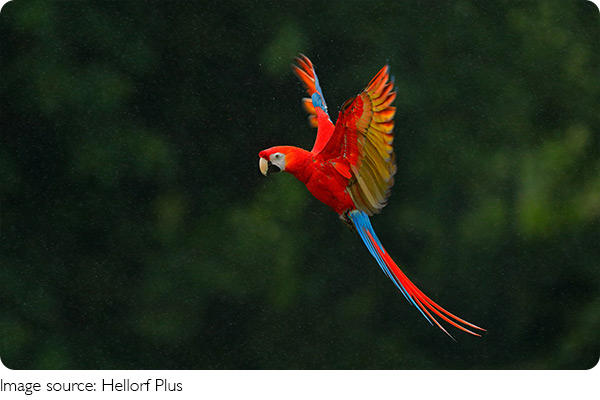
When Owners Should Observe More Carefully
Normal calling is expected, but unusual changes deserve attention.
If a parrot screams continuously for long periods every day, it could signal emotional stress or behavioral difficulties. Likewise, sudden changes in voice may sometimes relate to breathing discomfort or other health concerns.
On the other hand, if a normally active parrot suddenly becomes unusually quiet, owners should observe eating habits, feathers, droppings, and energy levels carefully.
If something seems unusual, seeking help from an experienced bird veterinarian is recommended.
Better Ways To Respond To Loud Calling
Many owners immediately react when parrots become loud because they worry about disturbing neighbors or think the bird needs help.
However, constant reactions can accidentally encourage the behavior. From the bird’s point of view, making loud sounds successfully attracted attention.
Instead, rewarding calm moments usually works better. Gentle praise, interaction, or small snacks during quiet behavior can help parrots understand which actions bring positive results.
Some owners also train parrots to whistle softly or use simple words instead of screaming loudly. When parrots discover calmer ways to communicate effectively, loud calling often becomes less frequent.
Understanding Parrots Builds A Better Relationship
Living with parrots can be lively, colorful, and full of personality. Their calls are not random noise. Most of the time, these sounds express emotion, excitement, communication, or curiosity.
Once we understand why parrots make certain sounds, daily life with them becomes much smoother and more enjoyable.
Lykkers, has your parrot ever copied a funny sound or surprised you with an unexpected phrase? These little moments often become some of the happiest parts of sharing life with a bird!