Graceful Fish Care

Elena Rossi
| 22-05-2026
 · Animal team
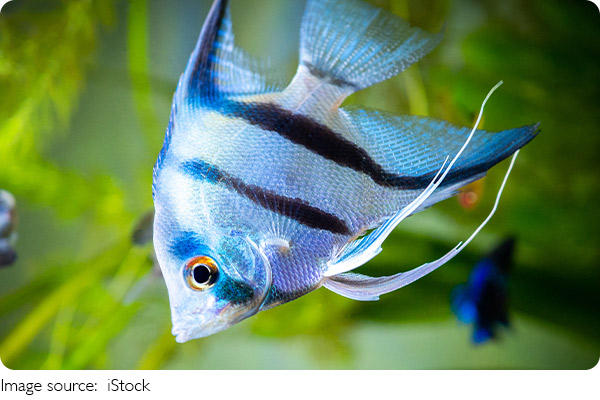
Dear Lykkers, when we first look at angelfish moving slowly through water, it often feels like watching soft, floating leaves in a quiet stream.
Their smooth shapes and calm behavior make them a favorite in home aquariums around the world. In this guide, we will explore how we can create a healthy and comfortable space for them, step by step.
From setting up the tank to daily care, every detail matters if we want these elegant fish to thrive and stay active.
Building the Right Home Space
To begin, we need a suitable aquarium that gives enough room for movement. A tank around 60 cm in length, 45 cm in width, and 45 cm in height works well for a small group. Space is important because these fish prefer gentle swimming patterns rather than tight areas.
When placing the tank, we should choose a stable spot away from direct sunlight and sudden temperature shifts. A steady environment helps keep conditions balanced and reduces stress for the fish.
Inside the tank, we can design a natural-looking scene using soft aquatic plants and smooth decorations. Plants like moss types or feather-like greenery create hiding spots and resting zones. Adding driftwood or rounded stone elements also helps build a layered and peaceful layout.
A proper filtration system and oxygen support are also important. They help maintain clean water and stable circulation, which supports long-term comfort.
Keeping Water Conditions Stable
Water quality plays a central role in fish health. We should aim for slightly soft and neutral conditions, with a pH range between 6.5 and 7.5. The water temperature is best kept around 26 to 30 degrees Celsius.
Regular testing helps us track key values such as ammonia levels and nitrate content. If something changes, adjustments should be made gradually instead of suddenly.
When changing water, it is better to replace only part of it each time, usually less than one third. New water should match the existing temperature to avoid sudden shifts that could disturb the fish.
Daily Feeding Habits
Angelfish enjoy a mixed diet, which means we can offer both plant-based and protein-rich options. This variety helps support balanced nutrition and steady activity levels.
Plant-based choices can include soft algae or leafy vegetables. Protein sources can include small aquatic organisms or specially prepared fish food. Offering different types of food keeps their diet interesting and complete.
Feeding twice a day works well, once in the morning and once in the evening. The amount should be small enough that the fish finish within a few minutes. Overfeeding should be avoided, as it can affect water clarity and overall balance inside the tank.
Keeping Health in Good Condition
Even with good care, fish may sometimes face health challenges. The best approach is prevention through clean water, proper feeding, and avoiding overcrowded conditions.
We should observe behavior closely. Signs like reduced movement, color changes, or unusual spots on the body can indicate that something is not right. When this happens, separating the affected fish helps protect the rest of the group.
If any treatment is needed, it is important to follow instructions carefully and use the correct amount. This helps avoid unnecessary stress and supports recovery.
Breeding and Early Growth Care
Breeding angelfish can be a rewarding process when conditions are suitable. During this stage, stable water quality and gentle lighting help encourage natural pairing behavior.
Once a pair forms, they may choose a quiet space for laying eggs. A separate breeding tank can be prepared with fine sand or soft plants to support this process. The parent fish often protect the eggs and care for them closely.
After the young fish hatch, it is helpful to move the adults back to the main tank. The young ones can then be fed with very small, nutrient-rich food that is easy to digest. Clean water management is especially important during this early stage.
Helpful Care Tips for Everyday Success
When keeping angelfish, we should think carefully about tank companions. Fish with similar calm behavior are usually better suited for shared spaces. Sudden or aggressive interactions should be avoided to maintain harmony.
We should also avoid frequent changes in layout or environment. Stability helps fish feel secure, so any adjustments should be done slowly and with attention.
Another important point is observation. Spending a few minutes each day watching their movement helps us understand their habits better and notice small changes early.
Creating a Peaceful Aquatic World
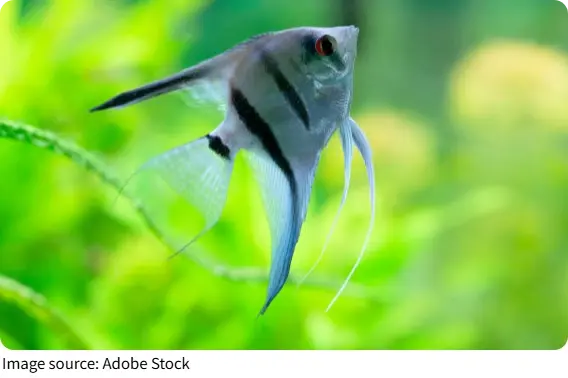
Lykkers, caring for angelfish is more than just maintaining a tank. It is about building a small, peaceful world where life flows gently and naturally. When we pay attention to space, water balance, food variety, and daily habits, we create conditions where these elegant fish can move freely and comfortably.
Every aquarium tells a story, and each fish adds its own rhythm to that story. If we continue learning and observing, we can enjoy a living scene that feels calm, balanced, and full of quiet beauty.
Blue Zebra Angelfish Aquarium / Zebra Blue Angelfish
Video by Waterscapers