Reading Growth Journey

Declan Kennedy
| 26-05-2026
 · Lifestyle team
Today, we look at something very close to family life—how children connect with books in daily routines.
It is not just about finishing stories, but about building small, steady habits that shape attention, imagination, and understanding over time.
When books become part of everyday moments, learning feels more natural and relaxed.
Many families want children to enjoy books, but often feel unsure where to begin. The key is not pressure, but creating simple, repeatable experiences that feel comfortable and welcoming.
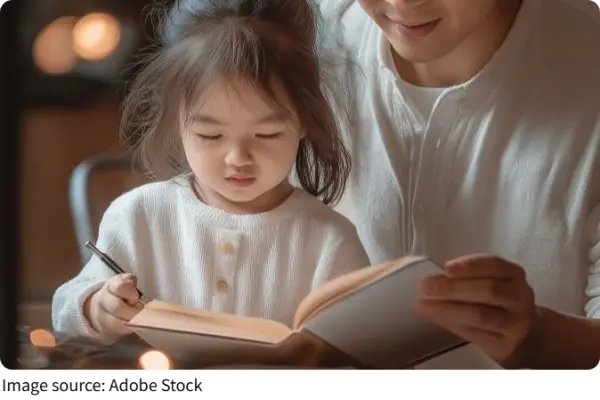
Building a calm reading space at home
A helpful step is setting up a small and peaceful reading corner at home. It does not need to be large or expensive. A soft chair, good lighting, and a small shelf with easy-to-reach books are already enough to create a welcoming space.
When books are visible and accessible, children are more likely to explore them on their own. This small design choice quietly encourages curiosity.
Another helpful habit is setting a fixed daily shared time. Even 20 to 30 minutes is meaningful. During this time, we can read together, take turns reading aloud, or simply talk about a scene from the story. These small conversations help children build confidence in expressing thoughts.
Dr. Marilyn Jager Adams, developmental psychologist, states that reading aloud with children is known to be the single most important activity for building the knowledge and skills they will eventually require for learning to read.
Over time, this shared routine becomes a natural part of the day, like a calm pause that both children and adults enjoy.
Choosing books that fit each stage of growth
Different ages connect with different types of stories. Matching books to a child’s stage makes the experience smoother and more enjoyable.
For younger children, picture-based books with simple storytelling are a good starting point. Bright visuals and short sentences help them stay focused without feeling stressed.
As they grow, we can introduce folk tales, short adventure stories, and simple knowledge books. These help expand vocabulary and understanding.
Later, more structured stories, biographies, and themed literature can guide deeper thinking about people, time, and events.
Most importantly, interest should lead the choice. If a child enjoys animals, space, or travel themes, following that interest helps maintain motivation and joy.
Respecting natural pace without pressure
Every child has a different pace when interacting with books. Some move quickly through pages, while others prefer to pause, observe, and imagine. Both styles are meaningful.
Instead of focusing on how fast or how much is completed, it is more helpful to ask simple questions like what part felt interesting or what character stood out. This creates a relaxed and open conversation.
When pressure is removed, curiosity often grows quietly on its own. The goal is not performance, but enjoyment and steady growth over time.
Connecting stories with real-life experiences
Books become more powerful when linked with daily life. For example, after a story about insects, a walk outside can turn into a small exploration moment. Observing real environments helps children connect ideas from the book with the world around them.
For stories about time or events, simple drawing activities can help. Creating timelines with paper and colors makes ideas easier to understand and remember.
In some learning environments, group storytelling and creative writing activities are also used. Children can retell stories, share ideas, and even create their own versions. This helps them move from listening to speaking, and then to creating.
These small steps make the learning experience more active and engaging.
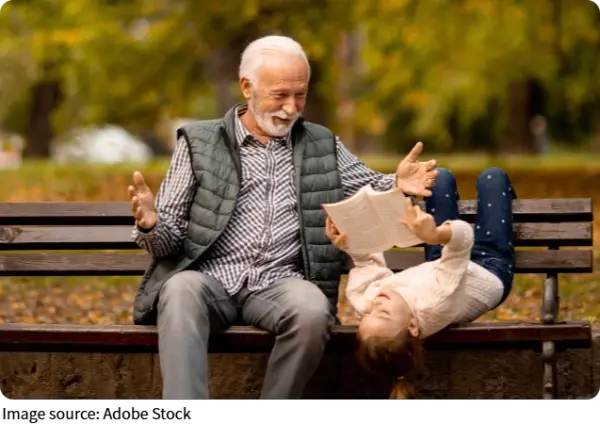
A gentle closing reflection for families
Lykkers, building a strong connection with books is not about one big action, but many small daily moments. A quiet corner, a shared story, a simple question—these all add up over time.
When we allow space for interest, patience, and natural rhythm, children gradually develop stronger thinking and expression skills. Most importantly, they begin to see books as companions rather than tasks.
Perhaps the best way to begin is very simple: open a book today, share a few minutes together, and let the story lead the way. What small reading moment feels easiest to start in your daily routine?