Benefits of Fresh Apricots

James Carter
| 29-09-2026
 · Cate team
Fresh apricots are naturally sweet fruits that offer a useful combination of essential nutrients and plant compounds.
They provide dietary fiber, vitamin C, potassium, and carotenoids such as beta-carotene, which the body can convert into vitamin A.
Their refreshing flavor and convenient size make apricots an easy addition to breakfasts, snacks, salads, and other everyday meals.
Rich in Key Nutrients
Apricots provide several nutrients that contribute to normal body functions. Vitamin C is needed for collagen production and also functions as an antioxidant. Potassium supports normal nerve and muscle function, while beta-carotene provides a source of provitamin A.
The amount of each nutrient can vary depending on the variety, ripeness, and serving size.
Supports Normal Vision
Beta-carotene is converted by the body into vitamin A according to its needs. The National Institutes of Health Office of Dietary Supplements states, “Your body is able to convert some carotenoids into vitamin A.”
Vitamin A plays an important role in normal vision, including the visual processes involved in low-light conditions.
Eating apricots can contribute to vitamin A intake as part of a varied diet. However, no single fruit provides all the nutrients required for maintaining normal vision.
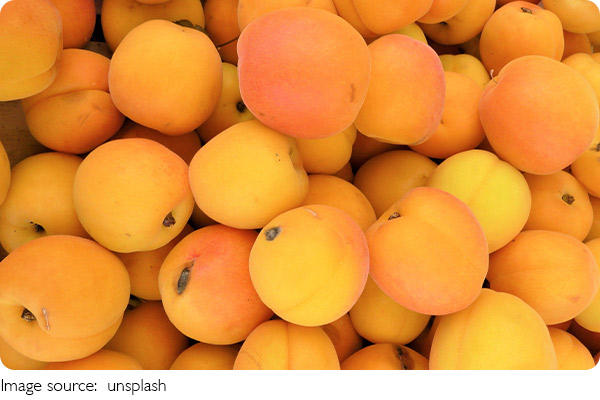
Provides Dietary Fiber
Fresh apricots contain dietary fiber, which contributes to normal digestive function. Fiber also adds volume to meals and can contribute to feelings of fullness.
Apricots can complement other fiber-rich foods, including vegetables, whole grains, legumes, nuts, and seeds, helping create greater variety in everyday meals.
Contributes to Skin Nutrition
Vitamin C found in apricots contributes to normal collagen formation, which is important for connective-tissue function. It also contributes to antioxidant protection within the body.
Apricots contain carotenoids as well, adding to the range of naturally occurring plant compounds provided by fruits and vegetables.
Provides Potassium
Potassium is an essential mineral found in apricots. It contributes to normal muscle function, nerve function, and the maintenance of normal fluid balance.
Including apricots alongside other potassium-containing foods can add variety to the overall diet.
Fresh vs. Dried Apricots
Fresh and dried apricots differ primarily in their water content. Fresh apricots contain substantial amounts of water, whereas drying removes much of it and concentrates the remaining nutrients and naturally occurring sugars by weight.
As a result, dried apricots are more concentrated than fresh apricots and are generally eaten in smaller portions. Both forms can have a place in a varied eating pattern.
How to Enjoy Apricots
Fresh apricots can be eaten on their own or incorporated into everyday meals. They can be added to breakfast dishes, salads, grain-based meals, or simple fruit snacks.
The skin is edible and contributes fiber and plant compounds. Wash fresh apricots thoroughly before eating.
There is no universal number of apricots that everyone needs each day. A suitable portion depends on individual dietary needs and the other foods included in the meal.
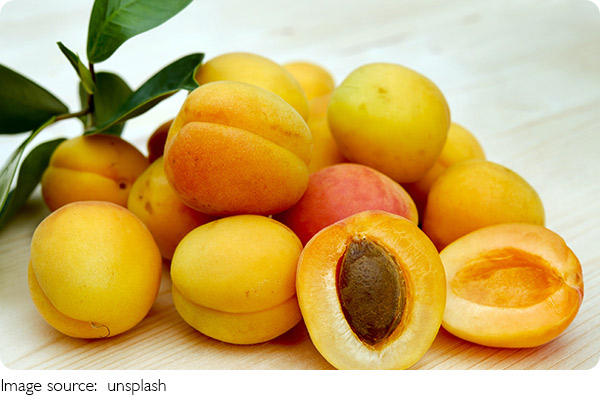
Fresh apricots are a nutritious fruit that provides dietary fiber, vitamin C, potassium, and provitamin A carotenoids. Their naturally sweet flavor and versatile use make them an easy addition to everyday meals and snacks.
Enjoying apricots as part of a varied diet allows you to benefit from their nutrients while including a broader range of fruits and other nutritious foods in your daily eating pattern.