Add More Fruit Daily

Elena Rossi
| 02-06-2026
 · Cate team
Most people know they should eat more fruit. The problem isn't information — it's habit. Fruit doesn't always make it onto the plate because it takes more thought than reaching for something already packaged.
The trick is building low-effort entry points throughout the day so fruit becomes the easy choice rather than the deliberate one.
Start at Breakfast — It's the Easiest Entry Point
Breakfast is the simplest place to add fruit consistently because most people already have a routine there. Slice a banana over oatmeal or whole-grain cereal. Drop a handful of berries into plain yogurt or cottage cheese. Add peach slices or diced apple directly into porridge while it cooks. These additions take under a minute, require no cooking, and immediately improve the nutritional value of a meal that many people eat on autopilot. The American Heart Association recommends about 2 cups of fruit per day — starting at breakfast makes that target far easier to hit by evening.
Keep Grab-and-Go Fruit Visible
Proximity matters more than people think. A bowl of apples, oranges, bananas, or grapes on the counter gets eaten. The same fruit tucked in the back of the refrigerator drawer often doesn't. Keep portable fruit where it's immediately visible at eye level in the fridge and on the counter. When hunger hits between meals, the decision becomes automatic rather than requiring any effort. Grapes, cherries, plums, and sliced melon stored in clear containers in the front of the fridge disappear quickly precisely because they're the first thing people see.
Replace Snacks With Fruit First
Instead of eliminating snacking, redirect it. Apple slices with almond butter, sliced banana with peanut butter, or a small bag of dried unsweetened apricots and walnuts gives the same satisfaction as a packaged snack with significantly better nutrition. If something sweet is what the moment calls for, whole fruit handles that need while also providing fiber, which slows digestion and helps with satiety in a way that processed snacks can't.
Blend It When You Don't Feel Like Eating It
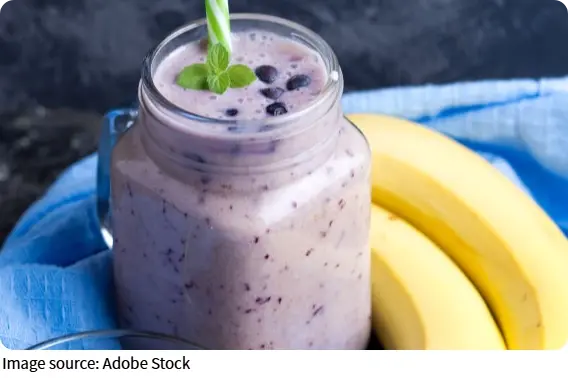
A smoothie is one of the most efficient ways to consume fruit on days when appetite or time is limited. Frozen fruit blends just as well as fresh, costs less, and doesn't spoil — making it genuinely practical for daily use. Frozen berries, mango chunks, and pineapple blended with a banana and a splash of milk or oat milk produce a complete and filling drink in two minutes. Adding a handful of spinach to a fruit-heavy smoothie delivers extra nutrients without changing the flavor meaningfully.
Fold Fruit Into Meals You Already Make
Fruit doesn't have to be a side item or dessert. Add orange segments, sliced strawberries, or apple pieces to green salads — the sweetness balances well against vinaigrette and bitter greens. Top pancakes or French toast with fresh or warmed berries instead of syrup. Use mango salsa on chicken or fish. Stir diced pear into oatmeal with cinnamon. These are small moves that don't require new recipes, just slight adjustments to things already in rotation.
Stock Frozen and Canned When Fresh Isn't Practical
Frozen fruit retains nutrients well — it's typically picked at peak ripeness and flash-frozen immediately, which locks in vitamins that out-of-season fresh fruit may have already lost in storage. Canned fruit works too, provided it's packed in juice or water rather than syrup. Both forms count toward daily intake and remove the spoilage concern that often gets in the way of buying fresh produce consistently.

Eating more fruit does not require a major lifestyle change. Small habits, such as adding fruit to breakfast, keeping it visible, and choosing it for snacks, can make a significant difference over time. By making fruit the easy option, reaching your daily intake goals becomes much more achievable.