Seasonal Fruit Benefits

Ravish Kumar
| 02-06-2026
 · Cate team
There's a reason that a strawberry in June tastes nothing like one you pick up in January.
The summer version was grown in its natural conditions, ripened properly, and likely traveled a short distance to reach you. The January one? Picked early, cold-stored, shipped from far away, and artificially ripened somewhere along the route.
The taste difference is obvious, but the nutritional gap matters just as much.
Nutrients Peak at the Right Time
Research from the Journal of Food Composition and Analysis confirms what most people already sense — fruits like oranges, kiwis, and strawberries lose vitamin C levels the longer they're held in cold storage. Studies also show that fully ripe tomatoes harvested in season can have up to 30% higher vitamin C content than those harvested early and ripened afterward. A fruit that reaches full ripeness naturally, under the right temperature and sunlight, develops its complete spectrum of vitamins, minerals, and phytochemicals. One that's rushed or stored for weeks gets there nutritionally later, if at all.
Nature also times seasonal fruits to match what the body needs. Citrus fruits ripen in winter, delivering concentrated vitamin C right when immune systems are under pressure from cold weather. Berries arrive in summer loaded with antioxidants that help counter UV damage. Autumn apples bring fiber and vitamin C. It's not coincidental — it's a pattern that developed over a very long time.
Flavor That Actually Changes the Experience
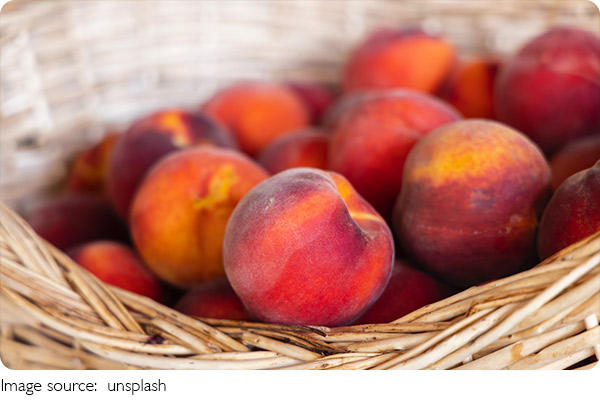
Beyond nutrition, there's a simple quality-of-life reason to eat seasonally: food that was grown and harvested properly just tastes better. A ripe summer peach versus one from a grocery store in February — the difference is not subtle. Flavor intensity comes from natural ripening, and natural ripening happens on the plant, not in a warehouse. Eating seasonally means regularly eating fruit at its most flavorful, which makes it far easier to actually eat more of it consistently.
More Variety Across the Year
One underappreciated benefit of seasonal eating is that it naturally forces variety. Most people gravitate toward the same handful of fruits year-round because they're always available. Shifting to seasonal eating means spring brings cherries and apricots, summer brings watermelon and peaches and figs, fall brings pears and pomegranates, and winter brings citrus. Each season delivers a different group of vitamins, minerals, and antioxidants that a limited fruit rotation wouldn't cover. The American Heart Association recommends filling half your plate with fruits and vegetables daily — varying the types is the most effective way to meet a wide range of nutrient needs.
Cost and Sustainability
In-season fruit is simply cheaper. When supply is high and transport distances are short, prices drop. A flat of strawberries in early summer costs a fraction of what it does in winter, and they taste significantly better. Buying locally grown seasonal produce also cuts down on the fossil fuel costs of long-distance transport and the refrigeration required for extended storage — a straightforward environmental benefit that doesn't require any lifestyle overhaul. Start at a farmers' market, and the combination of better price, better taste, and better nutrition becomes immediately obvious.

Eating seasonal fruits is a simple way to enjoy better flavor, improved nutrition, lower costs, and a more sustainable lifestyle throughout the year.