DNA and Your Defense!

Pardeep Singh
| 02-06-2026
 · News team
Good Day, Friends! The immune system operates as a highly coordinated defense network that protects the body from harmful microorganisms such as bacteria, viruses, fungi, and parasites. While this system is known for its ability to detect and eliminate threats, a less visible but equally important influence lies within genetic structure.
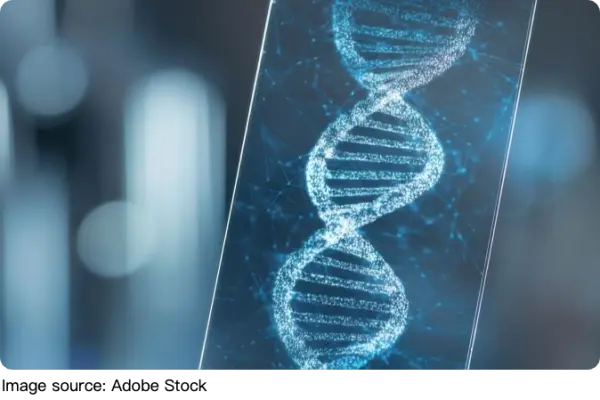
Every individual carries a unique genetic code that influences how immune responses are formed and regulated. These inherited instructions shape not only physical traits but also the efficiency, sensitivity, and adaptability of immune reactions.
Genes as the Instruction System of Immune Function
Genes serve as biological instructions that guide the development and maintenance of all body systems, including immune defense. Constructed from DNA and arranged on chromosomes, these units determine how immune components are built and function.
Each person inherits a distinct combination of genetic material from biological ancestry. This variation explains why immune responses are not identical across individuals. Some immune reactions may be more rapid or more controlled depending on how genetic instructions regulate immune cell behavior.

Innate Immunity: The First Protective Barrier
Innate immunity functions as the body’s immediate protective system. It responds rapidly when unfamiliar biological agents enter the body. This system includes physical barriers and specialized immune cells that act without requiring prior exposure to pathogens. Cells responsible for early defense are guided by genetic programming that determines how quickly and effectively they recognize common microbial patterns. These cells initiate immediate responses aimed at limiting spread and reducing potential impact.
Genetic variations in these regulatory instructions can influence how efficiently the initial immune response operates. Some individuals may have stronger early responses due to enhanced cellular sensitivity or faster signaling mechanisms.
Adaptive Immunity: Targeted and Memory-Based Defense
Adaptive immunity develops a more specialized response after initial exposure to harmful agents. This system relies on immune cells capable of identifying specific biological signatures and producing targeted protective responses. A key feature of adaptive immunity is memory formation. Once a pathogen is recognized, the immune system retains information that allows faster and more efficient responses during future encounters.
Genetic diversity plays a crucial role in this system. Variation in immune receptor formation enables the recognition of a vast range of biological threats. This diversity ensures that populations as a whole maintain resilience against evolving pathogens.
Genetic Variation and Disease Susceptibility
Differences in genetic structure can influence susceptibility to certain conditions. Some variations may increase sensitivity to infections, while others may provide enhanced resistance. Specific genetic patterns in immune-related regions have been associated with differing responses to autoimmune conditions and infectious diseases. For example, variations in immune-regulating gene clusters have been linked to altered risk profiles in conditions involving immune system imbalance.
Genetic Influence on Vaccine Response
Vaccination effectiveness can vary among individuals due to differences in immune system programming. Genetic factors may influence how strongly the immune system responds to a vaccine and how long protective effects are maintained. Some individuals develop long-lasting immune memory, while others may require additional doses to maintain similar levels of protection. These differences are not related to effort or behavior but are influenced by inherited biological instructions.
Toward Personalized Immunity-Based Medicine
Advances in genetic science are shaping new approaches to healthcare that consider individual biological differences. Personalized medicine aims to tailor prevention and treatment strategies based on genetic profiles. In immune-related therapies, such as targeted treatments for abnormal cell growth or chronic immune conditions, genetic analysis helps guide more precise interventions. This approach improves effectiveness while reducing unnecessary strain on the body.
Dr. Anthony S. Fauci has described the immune system as a remarkably complex and coordinated network of cells, signaling molecules, and tissues that function together to protect the human body from infectious pathogens. His explanations consistently emphasize that this network is dynamic and adaptive, defending against a wide array of microbial threats.
The immune system operates through a finely balanced interaction between inherited genetic instructions and environmental influences. Genetic structure helps determine how quickly defenses activate, how precisely threats are recognized, and how effectively long-term immune memory is formed.
While genes do not act alone, they form a foundational framework that shapes immune behavior throughout life. Recognizing the role of genetics in immunity reveals a deeper appreciation of how the body maintains protection through both inherited design and adaptive capability.