The Evolution of Racing

Tessa
| 11-06-2026
 · Automobile team
Imagine the roar of an engine, the thrill of a sharp turn, and the smell of burning rubber.
Racing has evolved from a raw, chaotic competition to a finely-tuned spectacle that draws millions worldwide.
The story of motorsport, particularly the rise of Formula 1, is more than just about speed—it's a journey of technological innovation, fierce competition, and a love for the road.
This article explores the history of car racing, from its early roots in road racing to the sophisticated, high-speed world of modern F1.
The Birth of Road Racing
In the late 19th century, automobiles were still a new phenomenon, and enthusiasts were eager to show off their capabilities. The first recorded automobile race took place in 1894 between Paris and Rouen, France. It wasn't so much about speed as it was about endurance, as the cars were still largely unreliable.
Early Competitions: These early races were often held on public roads, and the cars faced numerous obstacles—unpaved surfaces, unpredictable weather, and mechanical failures. It was a test of both driver skill and the car's ability to withstand rough conditions.
The Evolution of Races: The first real organized race, the Paris-Rouen race, marked the beginning of road racing. It was more of a reliability trial, with cars competing to reach the finish line without breaking down. Over time, races became more competitive, and vehicles were designed for speed, not just endurance.
If you're interested in classic car racing, understanding its history can enhance your appreciation of modern races. The techniques and strategies used by early racers were quite different from today's, often focusing on surviving rather than overtaking opponents.
The Rise of Formula 1
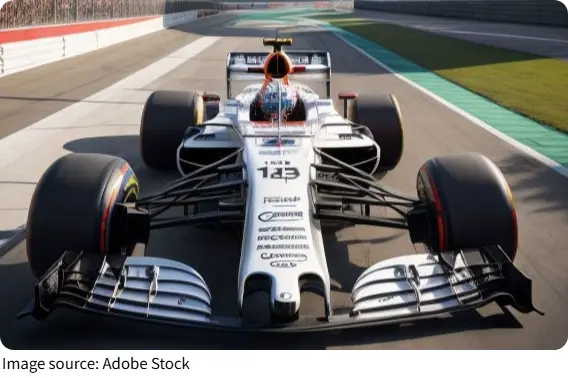
The 20th century brought significant changes to the world of racing, with Formula 1 emerging as the pinnacle of motorsport. Formula 1's first official race was held in 1950, and from there, it grew into the global phenomenon we know today. What set F1 apart was its combination of cutting-edge technology, intense competition, and a worldwide following.
Technological Advancements: Early F1 cars were fast but crude compared to today's standards. Over the decades, however, innovation transformed the sport. Aerodynamics, fuel efficiency, and tire technology have all seen massive improvements. F1 teams constantly push the boundaries of technology, which has trickled down into consumer cars over time.
The Role of Engineers: Unlike early racing, where the driver's skill was paramount, modern F1 racing is a team effort. Engineers, tire specialists, and strategists play crucial roles in a driver's success. A minor error in tire choice or aerodynamics can cost a team the race.
For those interested in pursuing a career in motorsports, a deeper understanding of the engineering and technology behind F1 is essential. It's not just about driving fast; it's about maximizing every aspect of the car's design for peak performance.
The Influence of Modern F1 on Popular Culture
Today, F1 is a cultural touchstone. From blockbuster films like Rush to documentaries like Drive to Survive, Formula 1 has captured the public's imagination. But beyond the screen, F1 has influenced everything from car design to advertising. Brands now associate themselves with F1, knowing the sport's reach and global appeal.
F1 as a Symbol of Speed and Innovation: Modern F1 is more than just a race; it's an opportunity for brands to showcase their cutting-edge technologies. Cars designed for the F1 track have influenced consumer vehicles, from aerodynamics to engine design. Brands like Ferrari, Mercedes, and McLaren have become synonymous with high performance.
If you're a fan of technology and design, consider exploring how F1 innovations have affected other industries. Many of the technological advances seen in F1 cars are now available in high-performance consumer cars.
Global Appeal and Legacy: Today, F1 races are held all over the world, from Monaco to Singapore, and the sport continues to grow in popularity. Its global appeal has turned F1 into a massive business, drawing in millions of fans and generating billions in revenue.
The Future of Racing: Electric and Autonomous Cars
While traditional racing formats like F1 continue to captivate audiences, the future of motorsport is looking increasingly electric. Formula E, the electric car racing series, is growing rapidly, offering a glimpse into the future of racing. These cars may not roar like their gas-guzzling counterparts, but they are a testament to the changing times and the growing demand for sustainable technology.
Electric Racing: Formula E, launched in 2014, showcases electric vehicles in competitive racing. The vehicles may lack the raw power and sound of traditional F1 cars, but they're just as fast and thrilling. The shift toward electric racing is also helping to push forward the development of electric car technology.
Autonomous Racing: Looking even further ahead, autonomous racing is on the horizon. Racing leagues for self-driving cars are already in the works, with machines programmed to push themselves to the limit without human intervention. This could change how we view the role of drivers in motorsports.
For those interested in the future of racing, keeping an eye on electric and autonomous racing leagues is key. These technologies are still in their infancy, but could redefine what it means to race in the future.
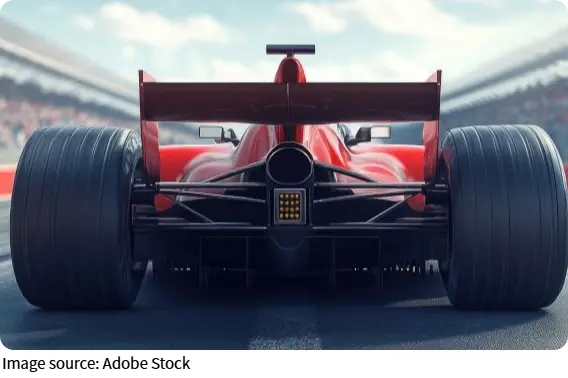
The journey from early road races to the modern world of F1 and beyond has been one of speed, innovation, and spectacle. As motorsports continue to evolve, the passion for racing remains at the heart of the sport. Whether through the hum of an engine or the quiet whirr of an electric motor, racing will always capture the human spirit's quest for adventure and the thrill of competition.