Car Voice Assistants

Amara
| 18-06-2026
 · Automobile team
Remember the days when driving meant keeping your hands firmly on the wheel, with all your attention directed to the road ahead?
In older vehicles, you had to physically interact with buttons, knobs, or dials to adjust things like your music or navigation.
However, now, with the integration of in-car voice assistants, driving has become an experience where your car listens to your commands.
The shift from simple, manual controls to sophisticated voice-enabled interactions has dramatically changed how we interact with our cars. What was once a limited control system is now an intelligent assistant capable of understanding, responding, and even predicting your needs—all through voice alone.
How Voice Assistants Work in Cars
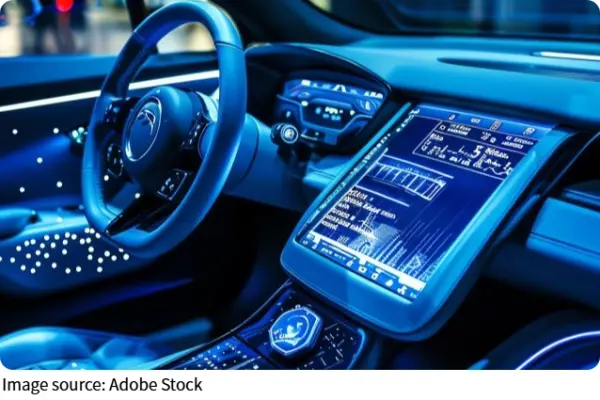
Voice assistants in cars are designed to perform tasks based on spoken commands. They use advanced speech recognition technology to understand a wide range of inputs, allowing drivers to interact with their vehicle without ever taking their eyes off the road.
These assistants are integrated with the car's infotainment system, providing a hands-free way to perform tasks like adjusting climate controls, playing music, setting navigation, or even answering calls.
The Ford Sync System
Ford's voice-controlled Sync system allows drivers to control music, navigation, and even calls through simple voice commands. It integrates with the car's built-in software, responding to commands like "Find the nearest gas station" or "Play my workout playlist."
When purchasing a new vehicle, pay attention to how well the voice assistant integrates with other features of the car, like navigation or climate control. The more tasks it can handle seamlessly, the safer and more convenient your driving experience will be.
Increased Convenience: A Safer Driving Experience
Voice assistants provide immense value when it comes to convenience, especially by reducing distractions. Instead of fumbling with buttons or taking your hands off the wheel, you can simply ask your car to adjust settings or find directions. This hands-free control promotes safety and focus on the road.
BMW's iDrive System
BMW's iDrive system has evolved with enhanced voice recognition. You can say commands like “Adjust temperature to 72°F” or “Take me to the nearest coffee shop,” and the system will respond immediately. This reduces the need to interact with physical controls, making it easier for drivers to stay focused.
Look for systems that offer multi-functionality with voice control. Ideally, it should integrate seamlessly with your phone, music apps, and car settings for a more intuitive experience.
Personalization and Adaptability
As voice technology advances, these assistants are becoming more adaptive and personalized. They learn your preferences, such as your favorite radio stations, preferred routes, or even your usual temperature settings. Over time, the system tailors its responses and actions to your habits, providing a truly customized driving experience.
Mercedes-Benz MBUX
Mercedes-Benz's MBUX system takes voice recognition to the next level. It doesn't just respond to commands—it also adapts to the driver's unique preferences. For example, it learns your driving routes and suggests destinations or provides traffic updates automatically.
Check if the system allows you to create personalized profiles. This can help the assistant “learn” your preferences and offer a more tailored experience over time.
Seamless Integration with Smart Devices
As vehicles become more connected to the world outside, voice assistants are increasingly able to interact with other smart devices. Imagine arriving home and telling your car to turn off the lights, or receiving a prompt from your car asking if you'd like to lock your front door.
Audi MMI Touch Response
Audi's MMI Touch Response system offers smart integration with your home devices. By linking your car's assistant with compatible smart home devices, you can control things like your thermostat or even your home security system—all through voice commands in your car.
Look for cars that feature smart home connectivity through their voice assistant. It's a great way to expand your connected ecosystem and make your car even more functional when you're not behind the wheel.
The Future of Voice Assistants in Cars
Looking ahead, voice assistants will continue to evolve, becoming even more integrated with artificial intelligence. Future voice assistants will understand not only what you say but also your mood, intentions, and even the context of your conversation. They will be able to predict what you want before you ask and offer proactive suggestions to make your drive more efficient.
Hyundai's Smart Assist
Hyundai's Smart Assist system will soon incorporate next-generation AI. This means that your car might know that you're heading to work and suggest the fastest route based on real-time traffic data, or it could prepare the car's interior based on your preferences before you even get in.
As voice technology advances, keep an eye out for systems that use AI to predict your needs and make proactive suggestions. These features will enhance convenience and optimize your driving experience.
The Future Is Conversational
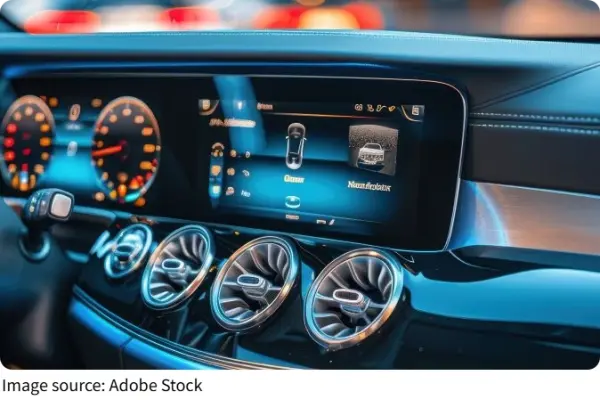
The integration of voice assistants into cars is transforming how we interact with our vehicles. What once required manual control is now effortlessly handled by a voice command, making the driving experience more intuitive, personalized, and safe. As the technology continues to evolve, expect even greater levels of integration, convenience, and customization. The future of driving is conversational, and it's just getting started.