Future Car Designs

James Carter
| 15-07-2026
 · Automobile team
Imagine this: you're cruising down a highway, and suddenly your car warns you about a potential hazard just ahead, even though you haven't seen it yet.
A split second later, your car adjusts its speed, steering, and safety features to avoid the danger, all while you stay focused on the road.
That's the power of smart, connected car technology. But the future of automotive design goes far beyond just adding sensors—it's about creating a seamless, intuitive driving experience that enhances both safety and convenience. Let's dive into how the latest trends in automotive design are using intelligent tech to shape the future of driving.
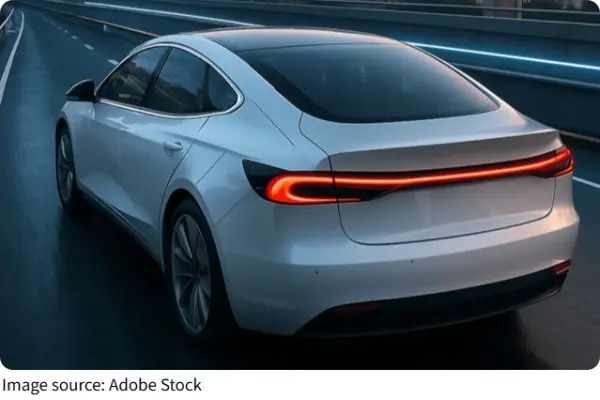
Smart Interiors: Creating a Personalized Experience
As the automotive industry continues to embrace smart technology, one area that's receiving a lot of attention is the interior design of vehicles. Imagine walking into your car, and it automatically adjusts the seat, temperature, and even the music to your preferences. Smart interiors are not just about comfort—they also play a crucial role in safety by reducing distractions.
Voice-Controlled Interfaces
Instead of fumbling with buttons or touching screens while driving, voice-controlled systems allow drivers to interact with their car safely. Whether you're setting the navigation, adjusting the climate control, or answering calls, everything can be done hands-free. Brands like BMW and Mercedes-Benz are already integrating voice assistants that understand natural language, allowing for a truly hands-free driving experience.
Adaptive Seats and Displays
In the future, car seats might be equipped with sensors that detect your body type and adjust automatically for maximum comfort. Additionally, displays will be customizable, offering you only the information you need at any given moment. For example, a navigation display may pop up when you're on a highway but disappear when you're driving in a more familiar area, reducing distractions and helping you stay focused on the road.
Advanced Driver Assistance Systems (ADAS): A Step Toward Autonomous Driving
While fully autonomous cars may still be years away, the technology behind them is already here. Advanced Driver Assistance Systems (ADAS) are currently revolutionizing how we drive, providing features like adaptive cruise control, automatic emergency braking, lane departure warnings, and more. These systems not only improve safety but also help enhance the driving experience.
Lane-Keeping Assist and Adaptive Cruise Control
One of the most popular ADAS features is lane-keeping assist, which gently nudges the vehicle back into its lane if it starts to drift without signaling. Adaptive cruise control, on the other hand, adjusts the vehicle's speed to maintain a safe distance from the car ahead. Together, these systems take a lot of the mental load off the driver, especially during long highway drives, making driving more comfortable and less stressful.
Automatic Emergency Braking (AEB)
AEB is another life-saving feature that can automatically apply the brakes if it detects an imminent collision. This technology is especially helpful in situations where the driver is distracted or not reacting quickly enough. While it's not a replacement for attentive driving, it's an additional safety net that can help prevent accidents or reduce the severity of a crash.
Connected Cars: The Future of Communication on the Road
As cars become more connected, they will start communicating with other vehicles, infrastructure, and even pedestrians. This network of interconnected systems will enhance both safety and efficiency by providing real-time data to drivers.
Vehicle-to-Vehicle (V2V) Communication
V2V communication allows cars to exchange data with each other, including information about speed, direction, and road conditions. This technology can alert drivers to potential hazards ahead, like a sudden stop or a vehicle changing lanes unexpectedly, giving them more time to react. It's like having a built-in radar system that keeps you informed about what's happening around you, even when you can't see it.
Vehicle-to-Infrastructure (V2I) Communication
In addition to communicating with other vehicles, cars will also be able to communicate with traffic lights, road signs, and other infrastructure. For example, V2I can help optimize traffic flow by allowing traffic lights to adjust based on the density of traffic, reducing wait times and improving fuel efficiency. It can also alert drivers to road conditions like construction zones or accidents, helping them avoid delays and stay safe.
AI-Powered Safety: The Brain Behind Smarter Cars
Artificial intelligence (AI) is quickly becoming a key player in the future of car design. AI has the potential to predict, react, and adapt to a variety of driving conditions, making vehicles smarter and safer.
Predictive Maintenance
AI can be used to monitor the health of your vehicle in real-time, predicting when maintenance is needed before a problem occurs. For example, the system might alert you that the brake pads are wearing thin or that the engine needs servicing soon. This predictive maintenance helps prevent breakdowns and costly repairs by addressing issues early, improving the overall reliability of your car.
Intelligent Collision Avoidance
AI-powered systems are also being developed to avoid collisions by analyzing data from cameras, radar, and sensors. These systems can predict potential accidents and take proactive measures, such as steering the car away from a collision path or applying the brakes. The more these systems learn, the better they become at detecting and preventing dangerous situations, reducing the chances of accidents.
Sustainable Car Design: Smarter for the Planet
As the automotive industry moves toward smarter cars, sustainability is also a key focus. The shift toward electric vehicles (EVs) is a prime example of how car manufacturers are integrating smart technology to reduce the environmental impact of driving.
Electric Powertrains
Electric vehicles, powered by smart technology, offer an environmentally friendly alternative to traditional combustion engines. Many EVs now come equipped with features like regenerative braking, which recovers energy and recharges the battery during braking. These innovations not only improve efficiency but also help reduce the car's carbon footprint.
Sustainable Materials
The materials used in car interiors are also evolving. Manufacturers are increasingly turning to sustainable and eco-friendly materials, such as recycled plastics and natural fibers, to reduce the environmental impact of production. These materials contribute to a more sustainable driving experience, aligning with the global push for greener transportation solutions.
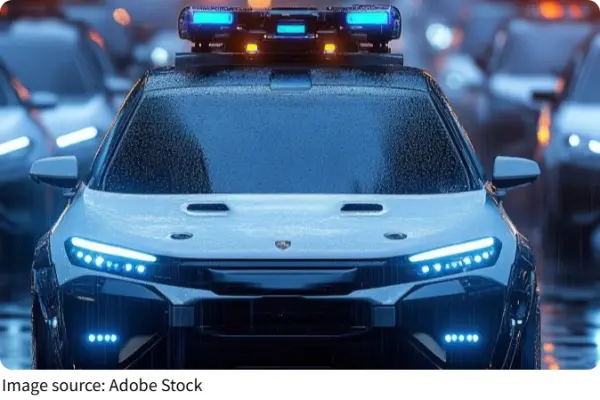
The Road Ahead: A Smarter, Safer Future
The future of car design is undoubtedly exciting. As technology continues to evolve, vehicles will become safer, more efficient, and more enjoyable to drive. The integration of smart systems—ranging from AI-powered safety features to connected infrastructure—promises to make our roads safer for everyone.
In the coming years, we can expect smarter cars that not only enhance the driving experience but also contribute to a more sustainable future. The future of automotive design is here, and it's all about creating a driving experience that is safer, smarter, and more connected than ever before.