The Future of Urban Mobility

Raghu Yadav
| 14-07-2026
 · Automobile team
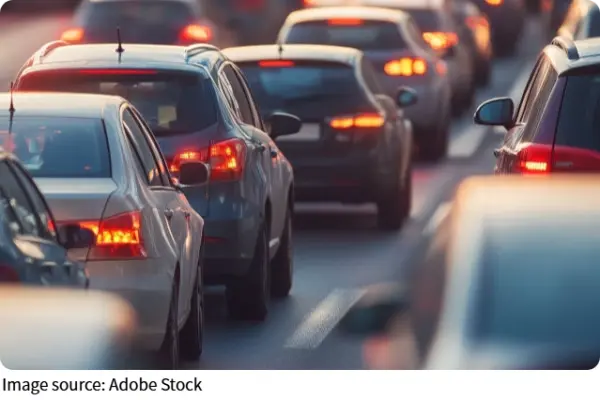
Ever found yourself stuck in traffic for what feels like hours? The frustration of not getting anywhere fast isn't just an inconvenience—it's a global problem.
With cities growing at an exponential rate, the demand for smarter solutions to manage traffic congestion and reduce accidents is becoming critical.
Enter autonomous vehicles and integrated smart systems, poised to revolutionize how we approach urban mobility. So, how exactly can self-driving cars and intelligent city infrastructure work together to create smoother, safer roadways?
The Growing Need for Smart Transportation Solutions
With more cars on the road than ever before, the challenge of maintaining a smooth flow is intensifying. According to the World Economic Forum, urban populations are expected to increase by over 2.5 billion people by 2050, which translates into a lot more vehicles on the road.
As a result, cities are grappling with gridlock, longer commutes, and higher accident rates. This is where autonomous vehicles (AVs) and smart flow management systems come into play.
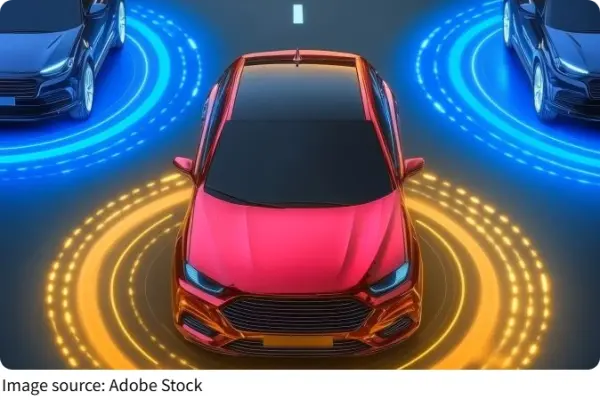
Autonomous vehicles, equipped with advanced sensors and artificial intelligence (AI), can communicate with each other and their environment to make real-time decisions. This creates the potential for smoother traffic flow, fewer accidents, and a reduction in traffic jams.
The synergy between these vehicles and city infrastructure could help create a more efficient, safer transportation network. For example, self-driving cars can adjust their speed or route based on real-time data from traffic signals or other vehicles—minimizing stop-and-go traffic.
How Autonomous Vehicles Can Reduce Traffic Congestion
When it comes to traffic jams, one of the key contributors is the inefficiency in human driving behavior. Sudden braking, speeding up, or changing lanes without signaling can create ripple effects that lead to flow bottlenecks. However, autonomous vehicles could minimize these disruptions by maintaining consistent speeds, predicting flow conditions, and adjusting routes based on real-time flow data.
Key Features of Autonomous Vehicles in Reducing Congestion:
Consistent Driving Patterns: AVs can drive more predictably, reducing erratic behaviors that often cause traffic disruptions. Coordinated Lane Changes: Self-driving cars can communicate with one another, coordinating lane changes without causing congestion.
Optimized Route Selection: AVs can use traffic data to avoid busy routes, reducing the overall number of cars in congested areas. An example of this is the pilot project in cities like San Francisco, where autonomous ride-sharing services have successfully reduced congestion by pooling passengers into fewer vehicles, reducing the total number of cars on the road.
Integrating Smart Traffic Management Systems
Autonomous vehicles alone aren't enough to solve the traffic crisis. The real game-changer comes when AVs are integrated with intelligent flow management systems. These systems rely on data from vehicles, sensors embedded in the road, and traffic cameras to manage traffic flow dynamically.
For example, in cities with smart traffic lights, the signals can adjust in real-time based on the flow of traffic. If there's a buildup at one intersection, the system can extend the green light or reroute traffic to other roads, reducing congestion. This system can also prioritize certain types of traffic, like buses or emergency vehicles, to keep them moving smoothly.
How Smart Traffic Management Works:
Real-Time Data Analysis: Traffic sensors and cameras collect data on vehicle speeds, traffic volume, and accident reports.
Dynamic Traffic Signals: Lights adjust based on the data received to optimize traffic flow and reduce delays.
Predictive Traffic Routing: AVs can receive real-time updates on traffic conditions and be automatically rerouted to avoid congestion.
For instance, cities have already implemented smart traffic systems that have shown success in reducing congestion and improving traffic flow. These systems are expected to become even more effective when paired with autonomous vehicles.
Enhancing Safety: Less Human Error, Fewer Accidents
Human error is a leading cause of accidents, and the integration of autonomous vehicles into urban traffic could help mitigate this issue. Self-driving cars, governed by algorithms, are less prone to distractions, fatigue, or impaired driving. This means fewer accidents caused by these factors.
Furthermore, smart city infrastructure can help prevent accidents by providing real-time alerts to both autonomous vehicles and human drivers. For instance, if there's a sudden roadblock ahead or an accident at an intersection, the system can warn vehicles to slow down or take a different route.
How Autonomous Vehicles Improve Road Safety:
No Distractions or Fatigue: Autonomous cars don't get distracted by mobile phones or tiredness, lowering accident rates. Constant Monitoring: AVs have sensors that constantly monitor the road, detecting potential hazards faster than a human driver can.
Early Warning Systems: Integrated systems can send alerts to vehicles about accidents, road closures, or dangerous conditions. A great example is Waymo, which has demonstrated the potential of self-driving vehicles to significantly reduce accidents in its trials, especially in high-density urban environments.
The Road Ahead: Overcoming Challenges and Opportunities
While the future of autonomous vehicles and smart traffic management systems looks promising, there are still significant challenges to overcome. One of the biggest hurdles is the technology's ability to handle complex, unpredictable situations, such as construction zones or pedestrians unexpectedly crossing the road.
Moreover, for these systems to work effectively, they need to be widely adopted and integrated into a city's existing infrastructure. This requires collaboration between cities, automakers, and tech companies, as well as investment in upgrading urban infrastructure to support AVs and smart systems.
Steps to Overcome Challenges:
Continued Technological Development: Improving AV decision-making in complex environments. City-Wide Infrastructure Upgrades: Ensuring cities are equipped with the necessary sensors, smart traffic lights, and data systems.
Public Education and Acceptance: Ensuring that both drivers and passengers understand how to interact with autonomous vehicles and smart systems. The road ahead might be long, but with the right investment and collaboration, we could see urban roads transformed into safer, more efficient spaces.
Smart transportation technologies, from autonomous vehicles to intelligent traffic systems, promise to reshape urban mobility. By reducing traffic congestion and accidents, these innovations can improve our daily commutes and make city living more efficient. While the challenges are real, the future of smart cities and transportation systems offers exciting opportunities for a safer, more sustainable urban experience.