Modern Vehicle Safety

Leila
| 14-07-2026
 · Automobile team
Every time you get behind the wheel, safety plays an essential role in creating a confident and comfortable driving experience. Modern vehicles are designed not only to provide transportation but also to support the protection of drivers and passengers during everyday journeys.
Vehicle safety has continued to improve through stronger designs, improved protection features, and greater awareness of responsible driving practices. These developments help create safer travel experiences and encourage better decisions on the road.
Understanding how vehicles support safety allows drivers to make informed choices and develop habits that contribute to safer journeys.
The Importance of Vehicle Protection
A safe vehicle is designed to provide support before, during, and after unexpected situations on the road. Vehicle designs continue to improve by focusing on stronger protection, better comfort, and increased confidence for occupants.
Features such as secure passenger areas, supportive seating positions, and clear visibility contribute to a safer driving experience. A well-designed vehicle helps drivers remain comfortable, focused, and prepared while traveling.
When selecting a vehicle, drivers should consider important factors such as safety features, visibility, comfort, and reliability to match their everyday needs.
Seat Belts and Airbags: Essential Safety Features
Seat belts remain one of the most important safety features in any vehicle. They help keep occupants properly positioned and provide essential protection during sudden stops or collisions.
Airbags offer additional protection by helping reduce the effects of certain impacts during accidents. When combined with proper seat belt use, they create an important safety system that helps protect vehicle occupants.
Drivers and passengers should always wear seat belts correctly and ensure that everyone in the vehicle follows the same safety practice before every journey.
Better Visibility for Safer Driving
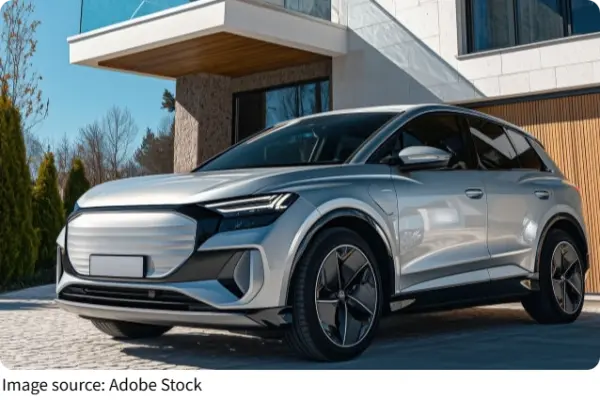
Clear visibility is essential for making safe decisions while driving. Proper lighting, clean windows, and correctly adjusted mirrors help drivers identify surroundings and respond effectively to changing road conditions.
Modern vehicles include features designed to improve awareness and support drivers in different situations. Better visibility allows drivers to maintain greater confidence and control during their journeys.
Regularly checking mirrors, keeping windows clean, and maintaining proper vehicle lighting can help improve awareness and reduce unnecessary distractions.
The Role of Safe Driving Habits
Vehicle safety depends not only on the design of the vehicle but also on the actions of the driver. Responsible driving habits play an important role in creating safer road environments.
Maintaining a safe distance, following traffic rules, avoiding distractions, and staying alert are key practices that support safer transportation.
Drivers should remain focused on the road and avoid activities that reduce attention while operating a vehicle.
Passenger Safety and Everyday Preparation
Passenger safety requires simple but important actions before and during every trip. All passengers should be properly seated and use appropriate safety equipment to support their protection.
Preparing before a journey, checking vehicle conditions, and understanding basic safety features can create a more secure and comfortable travel experience.
Before longer trips, drivers should check important areas such as tires, lights, and essential vehicle functions to support reliable and safer travel.
The Future of Safer Driving
Vehicle safety continues to develop as new ideas and improvements focus on creating more supportive and reliable driving experiences. Future advancements are expected to provide better assistance, comfort, and protection for drivers and passengers.
Although vehicles continue to become safer, responsible driving remains one of the most important parts of protecting everyone on the road.
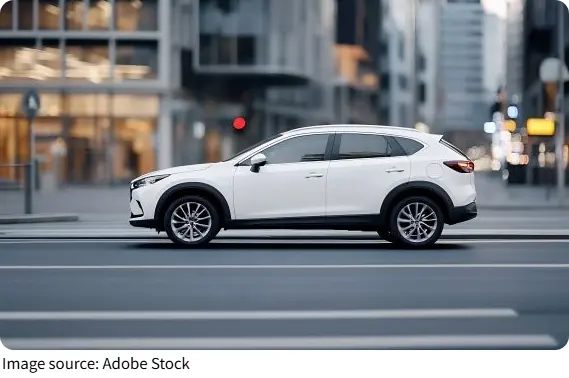
Modern vehicle safety is about more than individual features; it is about creating confidence, awareness, and protection throughout every journey. From essential safety equipment to responsible driving habits, every decision can contribute to safer transportation.
By understanding vehicle safety features and practicing careful driving, people can help create a safer environment for themselves, their passengers, and others on the road.