Sun-Powered Cars Ahead

Declan Kennedy
| 14-07-2026
 · Automobile team
Imagine driving down the highway, and your car is silently powered by the sun above you. No gas, no charging stations—just pure solar energy.
It sounds like something from the future, but solar-powered cars are quickly moving from concept to reality.
However, to fully embrace this sustainable technology, there are still significant hurdles to overcome. The future of solar cars looks promising, but there's a long road ahead.
In this article, we'll explore how solar vehicles work, the challenges they face, and how the industry is preparing to tackle these obstacles.
How Solar-Powered Cars Work
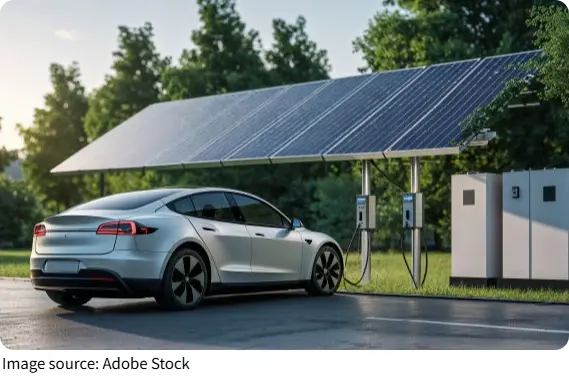
At their core, solar cars rely on solar panels to capture sunlight and convert it into electricity, which powers the vehicle's electric motor. Solar panels installed on the car's roof or other surfaces absorb sunlight, which is then converted into electrical energy by photovoltaic cells. This electricity either powers the car directly or charges an onboard battery.
Most solar vehicles combine solar power with a battery system, similar to traditional electric vehicles, for those moments when sunlight isn't available, such as at night or during cloudy weather. The advantage of solar-powered cars is that they reduce the need for external charging infrastructure, making them an even more sustainable choice in regions where renewable energy is a priority.
Technical Challenges of Solar Cars
While solar cars sound like an eco-friendly dream, they face significant technical challenges that must be addressed for them to become mainstream. Here are some of the key hurdles:
Efficiency of Solar Panels: Solar panels, although improving in efficiency, still can't generate enough energy to power a car for long distances solely from the sun. Current technology typically provides enough power for short trips, but not for extended driving. To make solar cars viable for everyday use, researchers need to develop higher-efficiency panels that can capture more sunlight.
Energy Storage: Even with powerful solar panels, the energy generated may not always be enough to drive a car over long distances. This is where energy storage solutions come in. Batteries need to be able to store the electricity generated throughout the day, providing power during nighttime or cloudy periods. Innovations in battery technology, such as higher capacity and faster charging, are necessary to support solar cars in a practical, day-to-day setting.
Cost and Integration: While solar panels are getting more affordable, they still represent a high cost when integrated into a vehicle. Adding solar panels to a car's roof or body can increase the overall cost of production. Additionally, the integration of solar cells into the body of the vehicle without compromising its design or structural integrity remains a technical challenge.
Market Challenges and Consumer Acceptance
Aside from the technical issues, solar cars also face market challenges. Even if the technology becomes feasible, getting people to adopt solar-powered vehicles can take time. Here are the main market challenges:
Price Point: Right now, solar-powered cars are expensive to produce. While advancements in solar panel technology could bring prices down in the future, solar vehicles are still largely out of reach for the average consumer. For widespread adoption, solar cars need to become more affordable and accessible, similar to how electric vehicles have become more competitive in pricing.
Limited Range: A major deterrent for many potential buyers is the limited range of solar-powered cars. With current technology, solar vehicles can't yet match the range of conventional cars or even electric cars, which are already better equipped for long-distance travel. Until solar vehicles can offer comparable or greater range on a single charge, they will remain more niche in appeal.
Infrastructure Development: While solar vehicles don't rely on charging stations as much as electric cars, they still need a robust infrastructure to support them. For example, parking lots with solar panel charging stations could provide additional power for cars while parked. The absence of this kind of infrastructure could slow the adoption of solar cars, as drivers need confidence that they can easily charge their vehicles when needed.
Innovations on the Horizon
Despite the challenges, the future of solar cars is bright. Here are a few innovations that could help overcome some of these obstacles:
Improved Solar Panel Efficiency: As solar technology advances, we can expect more efficient solar panels. Companies are working on panels that can capture a greater percentage of sunlight, even in less-than-ideal weather conditions. New materials like perovskite solar cells are showing promise, as they offer higher efficiency and lower production costs than traditional silicon-based panels.
Energy-Harvesting Roads: Another exciting development in the field of solar energy is the concept of solar roads—roads embedded with solar panels that could capture sunlight and feed energy into the grid or directly power vehicles. While still in early stages, these energy-harvesting roads could provide a future solution for the energy needs of solar vehicles.
Solar Car Designs for Efficiency: Future solar car models will likely be designed with maximum solar exposure in mind, meaning the body shape and materials of the car will be optimized to capture sunlight. The lighter the car, the less energy it requires to operate, which also makes it easier for solar panels to meet its energy needs.
The Path Ahead for Solar Cars
As research continues and technology advances, solar-powered vehicles are gradually moving from concept to reality. With the development of more efficient solar cells, better energy storage solutions, and lower production costs, solar cars could become a common sight on the roads in the future. However, significant investment in infrastructure and market adaptation will be crucial for these vehicles to become a mainstream option.
While they may not be ready to fully replace gasoline-powered cars just yet, solar-powered vehicles are a critical part of the future of sustainable transportation. The key to overcoming the challenges lies in continued innovation, consumer education, and the broader adoption of renewable energy sources. As we continue on the path toward a greener future, solar cars may one day drive us toward a cleaner, more sustainable world.