Master Off-Road Control

Sofia Alvarez
| 30-06-2026
 · Automobile team
Ever watched a dirt bike rider navigate a series of obstacles with impressive skill, effortlessly maneuvering through tight corners and across rough terrain?
It may seem like they've unlocked an advanced level of motorcycle control. In reality, obstacle riding is one of the most effective ways to improve motorcycle handling, balance, and adaptability.
By tackling a variety of challenging terrains and obstacles, riders develop greater bike control, making them more adaptable across different riding conditions. If you've ever wondered how to become a more agile rider, obstacle training can help develop those skills.
Understanding Motorcycle Handling
Before exploring obstacle riding, it's important to understand what motorcycle handling means. Handling refers to how effectively a motorcycle responds to a rider's inputs, especially when navigating turns, uneven terrain, or confined spaces. Strong handling skills allow riders to operate the motorcycle smoothly, accurately, and confidently.
Body Positioning
One of the fundamental aspects of motorcycle handling is proper body positioning. During obstacle riding, the rider's body should shift naturally in response to the motorcycle's movements. For example, leaning appropriately in turns or standing on the foot pegs while crossing obstacles helps improve stability and control.
Throttle Control
The ability to apply the throttle smoothly is critical for effective handling. On challenging terrain, riders must carefully adjust throttle input to maintain traction on loose surfaces or while climbing inclines. Smooth throttle application improves stability and helps maintain consistent control.
Brake Control
Whether approaching a tight corner or descending uneven terrain, controlled braking is essential. Obstacle riding teaches riders to anticipate braking points and apply braking smoothly, helping maintain balance and stability throughout the course.
These fundamental skills form the foundation of effective motorcycle control, and obstacle riding provides an excellent environment to refine them through repeated practice.
Obstacle Riding: Building Adaptability
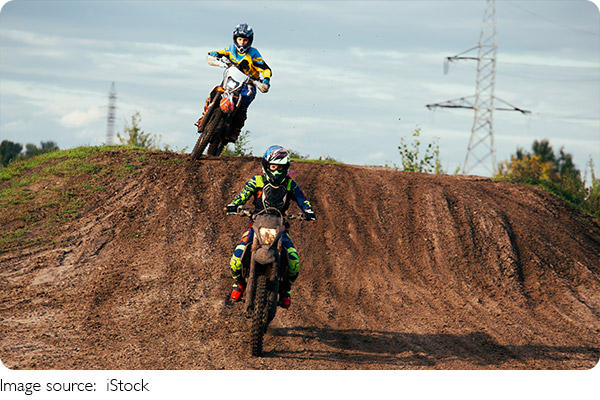
One of the greatest advantages of obstacle riding is that it encourages riders to adapt quickly to constantly changing conditions. A course may transition from smooth dirt paths to rocky terrain within moments, requiring continuous adjustments.
Quick Decision-Making
Obstacle courses often require riders to respond to changing terrain with little notice. This encourages rapid decision-making and situational awareness, helping riders react efficiently to different riding conditions.
Adapting to Different Surfaces
Obstacle courses frequently include surfaces such as mud, sand, gravel, and compacted dirt. Learning to adjust body position, throttle control, and balance across these conditions develops versatile riding skills.
Responding to Changing Terrain
Natural trails and obstacle courses often contain changing terrain features that require riders to continuously adjust their technique. Regular practice helps improve coordination, balance, and overall motorcycle control.
By continually adapting to new riding conditions, riders become more confident and capable across a wide range of environments.
Techniques for Improving Control
If you're serious about improving motorcycle handling, practicing these techniques during obstacle riding can make a significant difference.
Stand on the Foot Pegs
Standing on the foot pegs while crossing uneven terrain allows your legs to absorb impacts more effectively and helps maintain motorcycle balance. This technique also improves visibility and control over rough surfaces.
Master Clutch Control
Effective clutch control helps deliver smooth power to the rear wheel, improving traction and reducing abrupt power delivery on uneven or slippery terrain.
Use the Suspension Effectively
The motorcycle's suspension plays an important role when crossing rough terrain. Using appropriate body positioning allows the suspension to operate efficiently, helping absorb impacts and maintain stability over obstacles.
Practice Smooth Cornering
Cornering is a key skill during obstacle riding. Practice entering turns smoothly, maintaining balanced body positioning, and applying steady throttle when exiting corners to improve overall control.
Regular practice of these techniques helps riders develop smoother, more precise motorcycle handling across different terrains.
Benefits for Everyday Riding
Although obstacle riding is commonly associated with recreational or competitive off-road riding, the skills developed can also benefit everyday riding.
Greater Confidence
Developing better motorcycle control can increase rider confidence when encountering varying road or trail conditions.
Improved Stability
Practicing balance, throttle control, braking, and body positioning contributes to improved motorcycle stability across different riding environments.
More Enjoyable Riding
Greater control often results in smoother riding, making recreational rides and longer journeys more comfortable and enjoyable.
The skills developed through obstacle riding can contribute to improved handling and increased rider confidence across many types of riding situations.
Incorporating Obstacle Training Into Your Routine
Even if you do not participate in organized competitions, obstacle training can still help improve riding skills. Begin by practicing on safe, designated off-road training areas or beginner-friendly trails with simple obstacles. Focus on body positioning, throttle control, braking, and balance before progressing to more technical terrain.
As your confidence and experience grow, gradually introduce more varied obstacles to continue developing your motorcycle handling skills.
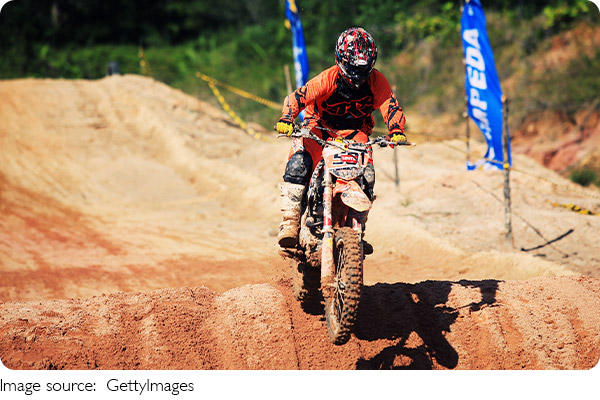
Obstacle riding is more than a recreational challenge—it is an effective way to develop motorcycle handling, balance, coordination, and adaptability. Through consistent practice of fundamental riding techniques, riders can build greater confidence and precision across a variety of terrain conditions. Whether your goal is recreational riding or improving overall riding ability, obstacle training offers practical skills that can enhance every ride.