Water Exposure Safety Tips

Bianca
| 30-06-2026
 · Automobile team
Many of us face unexpected road conditions during daily driving, especially when rainwater gathers on streets.
A vehicle moving through deep water can still look normal at first glance, yet hidden issues may already begin forming inside key systems.
Today, we walk through a clear and practical way to check and handle a vehicle after it has passed through water, helping us keep our rides stable and safe for longer journeys.
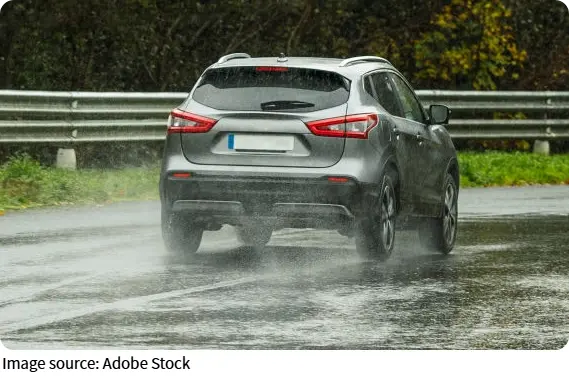
First Look Around the Outside
We begin with a simple exterior inspection. This step helps us quickly spot visible signs of trouble. Under the vehicle, we check for grass, plastic pieces, or other debris that may have been caught during driving. These items can interfere with rotating parts or suspension movement if ignored.
Next, we move to the tires and rims. We look for cuts, embedded objects, or mud buildup inside the wheel structure. Excess dirt near braking components can reduce smooth stopping response, so cleaning these areas is helpful.
We also rinse the body surface using clean water. This helps remove any residue left by muddy or contaminated water, especially around the lower body panels where buildup is common.
Key Areas Inside the Hood
Now we open the hood and focus on the power system area. The air intake section is especially important. If the air filter feels damp, it may indicate that liquid has entered the intake path. This requires attention before further driving.
We then check engine oil using the dipstick. If the oil appears cloudy or milky, it suggests unwanted moisture mixing inside. In this case, replacing the oil and filter helps restore proper lubrication.
Transmission fluid is another point of focus. Any change in color or texture may indicate contamination. Keeping this system clean supports smooth gear performance.
Braking and Electrical Response
We lightly press the brake pedal and observe how it feels. If it becomes soft or less responsive, moisture may have affected the braking system. Gentle driving at low speed can help the system gradually stabilize while we monitor performance.
Modern vehicles rely heavily on electrical systems. After water exposure, we test lights, window movement, air cooling functions, and wipers. If any function behaves irregularly, it may suggest that connectors or modules need further inspection.
When Water Exposure Is More Serious
If the water level has reached near wheel height or door base level, deeper inspection becomes important. Some internal components like rotating shafts and supporting joints may allow liquid entry through small ventilation paths.
We also consider fuel delivery parts. Although designed with protection, they still require checking if irregular performance appears. Suspension elements are reviewed as well, since prolonged moisture contact may affect smooth movement over time.
At this stage, professional inspection becomes valuable for a complete evaluation.
Engine Safety Attention Point
If the engine stops during water crossing and refuses to restart, we avoid trying again immediately. Restarting under uncertain conditions may create internal stress because liquid does not compress like air.
Instead, we focus on controlled steps such as removing spark-related components, allowing internal drying, and checking lubrication levels. Cleaning or replacing intake filters also supports recovery.
This careful approach helps reduce the chance of deeper mechanical damage.
Practical Habits for Safer Driving
We can reduce risk with a few simple habits. Choosing a safe path instead of deep standing water is always a smart decision. After any water exposure, even if everything seems normal, a quick inspection helps us feel more confident.
When water reaches higher areas near wheel level, seeking technical assistance is a wise choice. Regular care of sealing strips and drainage paths also keeps the vehicle better protected during rainy conditions.
In the end, water exposure is something we should treat carefully rather than casually. A small inspection today can prevent larger repair challenges later. Our vehicles support us in daily travel, so giving them proper attention after difficult road conditions is part of responsible ownership.
Lykkers, have you ever driven through deep water unexpectedly? What did you notice afterward? Share your experience and let’s learn together how to keep our journeys smoother and safer every time we hit the road.