Alcalá del Júcar

Elena Rossi
| 02-07-2026
 · Travel team
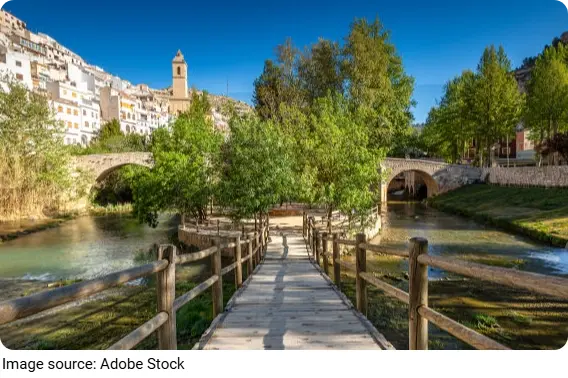
Alcalá del Júcar is a small cliffside village in Albacete Province, Castilla-La Mancha, Spain. It is famous for its white houses built directly into limestone cliffs, a deep river canyon, and a hilltop castle overlooking the valley.
It is compact, walkable, and best explored slowly on foot. Most attractions are within 10–20 minutes of walking distance, but the terrain is steep and includes stairs and narrow paths.
Alcalá del Júcar
Opening Hours & Ticket Prices
Good news: most of the village itself is free to explore.
Here are the key attractions with practical info:
1. Alcalá del Júcar Castle
- Ticket price: about $2–$3 per person
- Opening hours: usually 10:00–14:00 and 16:00–19:00 (may vary by season)
- Closed: some weekdays in winter or during maintenance
Tip: check local signage on arrival, as hours can change depending on weather or season
2. Cave Houses (Cuevas del Diablo & others)
- Ticket price: around $3–$5 per cave visit
- Opening hours: typically 10:30–14:00 and 16:00–19:00
- Some caves include small museums, viewpoints, or guided explanations
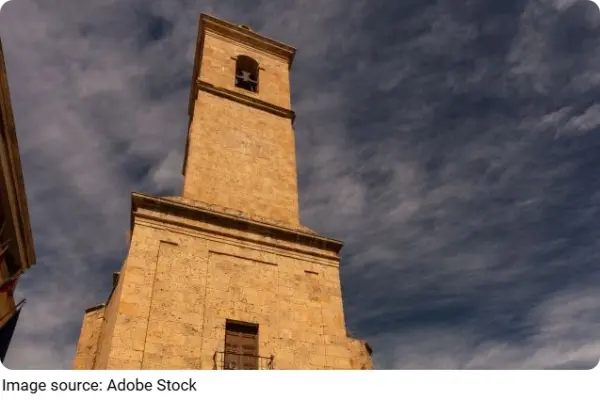
3. San Andrés Landmark
- Entry: usually free
- Opening hours: mainly during daytime and scheduled visiting hours.
Tip: respectful clothing recommended when entering
4. River areas & bridge
- Free access
- Open all day
How to Get There (Transportation + Prices)
By car (most convenient option):
- From Albacete city: about 60 km, around 1 hour
- Estimated fuel cost (round trip): $12–$20 depending on vehicle
- Toll roads: generally $0 (no tolls on main routes used)
Parking in Alcalá del Júcar:
- Public parking: $3–$8 per day
- Peak season private parking: up to $10–$12 per day
Tip: arriving before 10:30 helps secure cheaper and closer parking
By bus (budget option):
- Albacete → nearby towns + local transfer
- Bus ticket: $6–$10 one way (Albacete to surrounding towns)
- Final stretch (taxi from nearby town): $12–$25
Total combined cost: about $18–$35 per person one way
Note: direct buses to the village are limited, so a transfer is usually needed.
By taxi / private transfer (fastest but most expensive):
- From Albacete: $70–$110 one way
- From Valencia: $140–$220 one way
Travel time:
- From Albacete: ~1 hour
- From Valencia: ~2–2.5 hours
Tip: For groups of 3–4 people, private transfer can become cost-efficient compared to multiple bus connections.
Best Time to Visit
Spring (March–May):
- Ideal weather, green canyon views, comfortable walking conditions
Autumn (September–October):
- Warm days, fewer crowds, excellent for photography
Summer (June–August):
- Busy but lively
- Can be hot in midday; early morning or late afternoon visits are better
Winter (December–February):
- Quiet atmosphere
- Some attractions may have reduced opening hours
Top Things to Do
1. Walk through cliffside streets
We can explore narrow stairways carved into the rock, with white houses stacked above the river.
2. Visit the castle viewpoint
The castle offers panoramic views of the canyon and village layout.
3. Explore cave houses
Some caves show traditional living spaces carved into stone, giving insight into historical lifestyle.
4. Cross the stone bridge
This is one of the best photo spots, especially during sunrise or sunset.
5. River walks
Paths along the river are calm and perfect for slow exploration.
Food & Dining (Price Guide)
Local restaurants offer traditional inland cuisine.
Typical prices:
- Main dishes: $10–$18
- Set menus: $12–$20
- Desserts: $3–$6
- Coffee/snacks: $2–$4
Popular local dishes include:
- Slow-cooked stews
- Grilled recipes
- Handmade pastries
- Traditional soups
Dining spots are small, family-run, and often have canyon views.
Where to Stay
Accommodation options include:
Cave-style stays
- $60–$120 per night
- Unique experience built into the cliffs
Rural guesthouses
- $50–$100 per night
- Comfortable and quiet
Small hotels
- $70–$140 per night
- Some include balcony views of the river valley
Tip: Book early during summer weekends, as availability becomes limited.
Travel Tips (Very Important)
- Wear comfortable walking shoes: streets are steep and uneven
- Bring water, especially in warm months
- Start exploring early to avoid midday heat and crowds
- Cash is useful in smaller shops or cafés
- Expect stairs everywhere—this village is vertical, not flat
- Stay overnight if possible to enjoy sunset and early morning light
Final Thoughts
Alcalá del Júcar is not just a sightseeing stop—it is a place shaped by cliffs, water, and centuries of daily life adapted to nature. The combination of river views, stone pathways, and cave homes creates a travel experience that feels both simple and unforgettable.
For travelers who enjoy scenic villages, relaxed exploration, and natural landscapes, this destination offers a rewarding escape.
If you are planning a trip through central Spain, this canyon village is definitely worth adding to your route—and taking your time to explore.