Design for Young Consumers

Sofia Alvarez
| 06-07-2026
 · Automobile team
When you think about your dream car, what comes to mind? Is it sleek lines, cutting-edge technology, or a design that reflects your personal style?
Young consumers today are looking for more than just a mode of transport—they want cars that speak to their lifestyle, values, and sense of individuality.
This is where design and innovation play a crucial role. Car brands that can tap into the aesthetic desires and functional needs of young people will be the ones that capture their attention and loyalty. So, how are car brands using design to cater to the needs of a younger generation?
Bold Aesthetics: Appealing to Personal Style
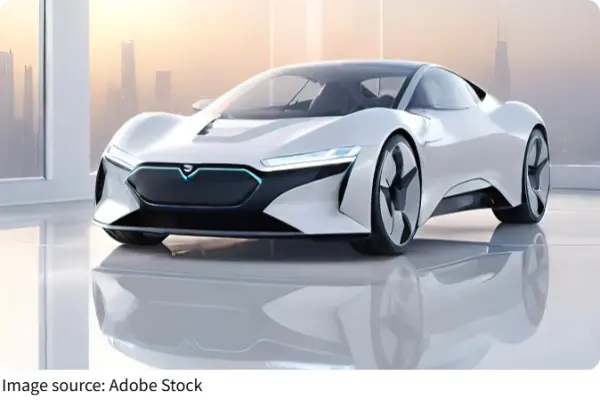
Young buyers are visual, and they want cars that stand out. Gone are the days when a car's exterior was just about practicality. Now, the design needs to make a statement.
Sleek, Minimalist Designs: Brands like Tesla have led the way by creating futuristic, minimalist designs that appeal to young buyers looking for sleek, elegant cars that look like they belong in a sci-fi movie. A clean exterior with hidden door handles and smooth lines makes the car feel sophisticated, modern, and effortless. This aesthetic is especially appealing to younger buyers who value simplicity and elegance in their possessions.
Customizable Features: Young buyers also want the ability to personalize their cars, and car brands are taking notice. For example, MINI offers a range of customization options, from roof designs to unique interior trims, allowing buyers to create a car that feels uniquely theirs. Brands that offer customization can attract young buyers who see their cars as a form of self-expression, not just a way to get from point A to point B.
Vibrant Color Choices: While traditional car colors like black, white, and gray are still common, many young buyers are drawn to more daring color options. Cars like the Fiat 500 come in a variety of bright and unique colors, allowing young consumers to pick a shade that reflects their personality. Bright, bold hues are not only visually appealing but also signal a youthful, energetic approach to life.
Innovative Technology: A Key Feature for Young Consumers
Beyond aesthetics, today's younger car buyers are deeply interested in the technology that powers their vehicles. They've grown up in an era where smart technology is integrated into almost every aspect of life, and they expect nothing less from their cars.
Electric and Hybrid Vehicles: With an increasing focus on sustainability, many young consumers are opting for electric or hybrid vehicles. Brands like Nissan with its Leaf, and the aforementioned Tesla, have become favorites among young people who want to make eco-conscious choices without compromising on performance. The appeal here goes beyond just environmental concerns; it's about aligning with a brand that values innovation and the future.
Connected Cars: For young people, a car is not just a vehicle—it's an extension of their digital life. Car brands are incorporating smartphone integration and wireless connectivity as standard features. Software systems that mirror your smartphone’s interface onto your car’s built-in dashboard display allow drivers to sync their devices with their cars, making it easier to access apps, playlists, and messages while on the go.
This kind of seamless integration appeals to tech-savvy young consumers who don't want to feel disconnected from their digital world when driving.
Advanced Driver-Assistance Systems (ADAS): Young drivers are also more interested in cars that offer advanced safety features like automatic braking, lane-keeping assist, and adaptive cruise control. The safety and convenience these technologies offer can make driving less stressful, especially for those who may not have as much experience behind the wheel.
For brands, including these features is a way to appeal to the younger generation's desire for safety without sacrificing convenience.
Eco-Friendly Innovation: Meeting Environmental Values
Sustainability is at the forefront of many young people's minds, and this extends to their vehicle choices. Car brands that can integrate environmental concerns into their design process are more likely to attract a younger demographic.
Sustainable Materials: More car brands are incorporating sustainable materials into their vehicle interiors. For example, Volvo has begun using recycled materials in the cabin of its cars, while BMW is exploring plant-based and recycled alternatives for its upholstery and plastics. These efforts align with young buyers who are concerned about their carbon footprint and want to support companies that are taking action on environmental issues.
Energy Efficiency: Fuel efficiency is also a major consideration for younger car buyers. They want to drive vehicles that are not only kind to the environment but also save them money in the long run. For instance, the Toyota Prius, a hybrid, is a popular choice due to its impressive fuel economy and low emissions. Car brands that offer energy-efficient models meet the growing demand for environmentally conscious transportation.
Future-Proofing: As young buyers become more aware of the long-term impact of their purchasing decisions, car companies that focus on sustainability and innovation will resonate with them. The growing shift toward electric vehicles (EVs) and hybrid models is an example of how car brands are preparing for the future. Brands that position themselves as eco-forward and innovative will be well-positioned to win over the younger generation.
Affordability Meets Innovation
One of the biggest challenges for younger consumers is balancing style and innovation with affordability. For many, a car is a significant investment, and they want to get the most value for their money.
Affordable Electric Vehicles: While electric vehicles (EVs) were once seen as an expensive luxury, more car brands are making efforts to offer affordable options.
For example, the Chevrolet Bolt and the Nissan Leaf provide affordable alternatives to traditional gasoline-powered vehicles while offering impressive range and modern features. These models make the shift to electric vehicles more accessible for young buyers who want to embrace sustainability without breaking the bank.
Flexible Financing: Car brands are also offering flexible financing options, such as low-interest loans, leasing programs, and subscription services. These options are particularly appealing to young people who may not have the funds to purchase a new car outright but still want access to the latest models and features.
For instance, brands like Volvo and BMW offer subscription services where consumers can switch vehicles based on their needs, all while making a monthly payment.
A Bright Future for Youth-Oriented Car Design
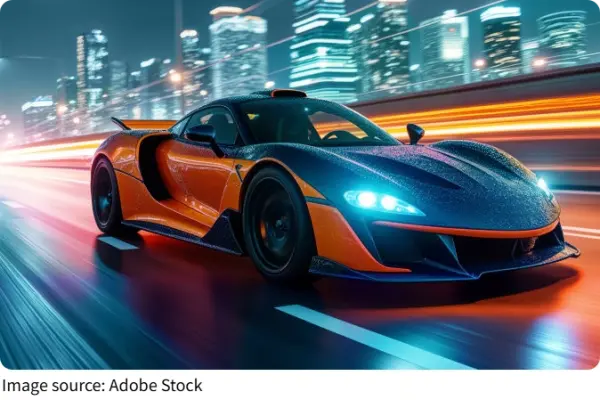
In the race to appeal to younger buyers, car brands are focusing on what truly matters: design, technology, sustainability, and affordability. By tapping into the values and needs of the younger generation, car brands are not just selling vehicles—they're creating experiences.
Whether it's through sleek designs, tech-driven features, or environmentally conscious innovations, the future of the automotive industry is bright for young consumers. As brands continue to evolve with the changing times, they will undoubtedly continue to reshape the driving experience for the next generation.