Processed Food Body Reaction

Pankaj Singh
| 03-07-2026
 · Cate team
Hello, Lykkers! You know that bag of chips or frozen pizza that calls your name from the pantry?
It's like that friend who shows up uninvited to a party, eats all the snacks, and then leaves a mess. Your body feels the same way about processed foods.
Let's talk about what really happens when you invite those chemically enhanced goodies to the dinner party inside you.
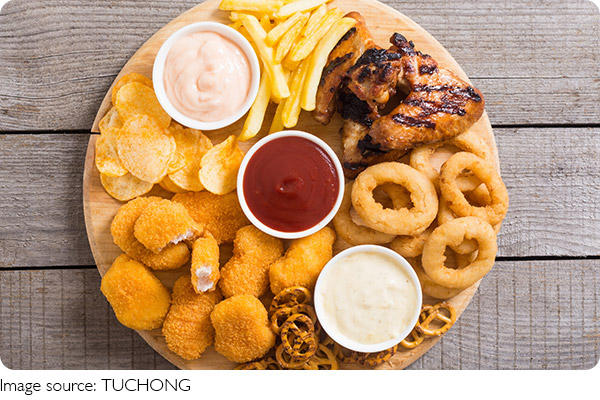
The Gut Gets Grumpy
Think of your digestive system as a fussy butler that prefers real, whole foods like vegetables, grains, and natural proteins. Processed foods, often low in fibre, can slow digestion and cause “traffic jams” in your gut. Additives and preservatives may also disrupt your gut bacteria, leaving you feeling bloated, gassy, or off.
Blood Sugar Goes on a Roller Coaster
Processed foods are masters at hiding sugar. That savory sauce? It's sweeter than your grandma's pie. Even crackers can spike your blood sugar faster than a squirrel on espresso. When you eat these foods, your body releases a flood of insulin to handle the sugar rush. Then comes the crash. You feel tired, cranky, and hungry again within an hour. It's like your energy levels are on a carnival ride, and not the fun kind. Over time, this constant up and down can wear out your body's ability to manage sugar, leading to bigger issues.

Inflammation Sneaks In
Your immune system acts like a security guard, protecting you from real threats. But processed foods can confuse it, triggering unnecessary low-grade inflammation. You may not notice it directly, but over time this “constant alert” has been linked to issues like joint pain and heart problems—like a system under constant strain.
Brain Gets Fooled
Your brain is wired for reward, and processed foods are designed to exploit it with sugar, salt, and intense flavours that strongly activate pleasure centres. They feel satisfying in the moment, but the effect fades quickly, so you want more. It’s less about willpower and more about how these foods are engineered to influence your biology.
What the Research Says
This isn’t just a theory. Dr. Kevin D. Hall, Senior Investigator at the U.S. National Institutes of Health, said, “This is the first study to demonstrate causality — that ultra-processed foods cause people to eat too many calories and gain weight.” His team’s clinical trial found that people eating an ultra-processed diet consumed about 500 more calories per day and gained more weight than those eating minimally processed foods.
The Liver Works Overtime
Your liver is the body's filter, dealing with toxins and processing nutrients. Processed foods often contain high levels of added sugars, especially fructose in soda and snacks. Your liver can handle a bit, but too much fructose gets converted into oils that build up inside liver cells. This is like a kitchen drain that gets clogged with grease. Over time, this can lead to something doctors call non-alcoholic fatty liver disease. It's a fancy way of saying your liver is not happy with your snack choices.
Salt and the Waterworks
Processed foods are salt bombs. A single serving can contain half your daily sodium needs. Your body tries to balance things by holding onto water. Hello, puffy face and bloated fingers! It's like your tissues are throwing a pool party. High sodium intake over time can also strain your heart and blood vessels, making them work harder than they should. Your heart is a loyal worker, but even it deserves a break sometimes.
So what's the takeaway? Your body is a finely tuned machine, and processed foods are like throwing sand in the gears. You don't have to banish them forever, but knowing what happens inside can help you make smarter choices. Next time you reach for that shiny package, ask yourself: is this worth the gut grumpiness, the sugar crash, and the liver frown? Your body will thank you for choosing whole foods that actually love it back. Stay curious, stay healthy, and keep spoiling yourself with real food, Lykkers!