Meteora Made Simple

Amina Hassan
| 08-07-2026
 · Travel team
Lykkers, Meteora is one of those places where poor planning costs more time than money.
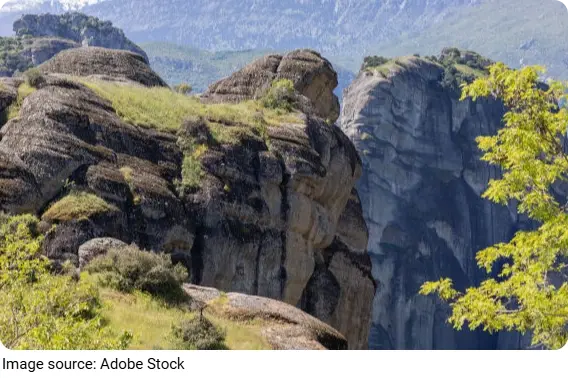
Six active monasteries stand among enormous rock pillars above Kalabaka and Kastraki, but they do not share one ticket, one entrance, or identical opening hours.
Visiting all six in a single day is technically possible for some travelers, yet it usually creates a rushed experience.
For most first-time visitors, the best plan is 2 nights, 1 complete sightseeing day, and 2 or 3 monastery interiors rather than all six. Stay in Kalabaka for easier train access and more dining choices, or Kastraki for a quieter village atmosphere closer to the rocks. Budget roughly €15 for three monastery entrances, plus transport, meals, and accommodation. The current standard entrance contribution is €5 per person for each monastery visited.
Meteora
Choose Your Base and Route
Your first decision is not which monastery looks best in photographs. Decide where to sleep and how you will move between the rock formations. Distances between individual sites are manageable by vehicle, but walking the complete road circuit adds substantial distance, elevation, and time.
Stay in Kalabaka or Kastraki
Choose Kalabaka if you arrive without a vehicle. It is the practical transport base, with the railway area, restaurants, supermarkets, and a wider accommodation selection. It is the easier choice for Lykkers arriving late or leaving early.
Choose Kastraki if landscape atmosphere matters more than transport convenience. The village sits directly below the rock formations and provides faster access to several walking paths. For hikers, photographers, and travelers staying 2 or 3 nights, Kastraki is often the stronger choice.
Do not change hotels between the two. They are close enough that moving luggage creates more trouble than value.
A simple first-time structure is:
• Day 1: arrive by mid-afternoon, check in, rest, then spend 1.5 to 2 hours at panoramic viewpoints near sunset.
• Day 2: begin monastery visits at opening time, enter 2 or 3 sites, take a midday break, then complete a short walk or return to a viewpoint in late afternoon.
• Day 3: breakfast, one short morning walk if time allows, then leave.
Two nights provide an important weather buffer. A one-night stay means one cloudy or rainy afternoon can remove your only sunset opportunity.
Do Not Visit All Six Automatically
The six accessible monasteries have different schedules and weekly closing days. Summer schedules generally run from April through October, but exact hours vary. Current published schedules list Great Meteoron around 9:30 a.m. to 3:00 p.m., closed Tuesday; Varlaam around 9:00 a.m. to 4:00 p.m., closed Friday; Rousanou closed Wednesday; Saint Stephen closed Monday; and Holy Trinity closed Thursday.
Saint Nicholas Anapafsas is currently listed as open daily in the summer schedule. Hours can change, so recheck shortly before visiting.
For a first visit, three interiors are enough. Allow approximately 45 to 75 minutes for each, including parking, approach, steps, ticket payment, interior viewing, and photographs in permitted outdoor areas.
A practical combination is Great Meteoron plus Varlaam because they are close to each other, followed by one smaller site chosen according to that day's opening schedule. Do not build your route around a monastery that is closed on your exact weekday.
At €5 per person per monastery, two interiors cost €10 and three cost €15. For two people visiting three, prepare €30 in total for entrance contributions. Carry cash because payment arrangements may be limited at individual entrances.
Build One Complete Meteora Day
The strongest Meteora day separates monastery visiting from sunset viewing. Morning is for interiors and stairs. Late afternoon is for the landscape. Trying to do both simultaneously leads to unnecessary driving and repeated backtracking.
Follow This Schedule
For a spring, summer, or early autumn visit, a practical schedule is:
• 7:00 a.m. — wake up and check the weather.
• 7:30 a.m. — breakfast.
• 8:15 a.m. — leave the hotel.
• 8:45 a.m. — reach the first parking area and prepare.
• 9:00 a.m. to 12:30 p.m. — visit 2 or 3 monastery interiors according to opening hours.
• 12:30 to 2:30 p.m. — lunch and rest in Kalabaka or Kastraki.
• 3:00 to 5:00 p.m. — choose a short walk or scenic driving circuit.
About 90 minutes before sunset — reach your chosen panoramic area.
20 to 30 minutes after sunset — begin the return to your accommodation.
This schedule avoids the common mistake of arriving at the first monastery around noon. Local visitor guidance identifies opening time as one of the quieter periods, while late afternoon after approximately 3:30 p.m. is generally calmer as many day visitors begin leaving.
Plan Water and Walking Carefully
For a warm-weather sightseeing day, carry at least 1.5 liters of water per person. Increase this toward 2 liters if you add a longer walk. For two people, that means starting with approximately 3 to 4 liters in total.
Carry one simple lunch or two small snacks per person if you plan to stay among the rocks for several hours. Do not assume food will be available exactly when hunger begins.
For casual travelers, choose a 1.5 to 3 hour walking route rather than an ambitious full-day hike. Meteora has an interconnected trail network, but heat and elevation make walking slower than the map suggests.
If you are visiting in July or August, place the main walk before 11:00 a.m. or after 4:30 p.m. The middle of the day is better for lunch, rest, or short transfers.
Set a Realistic Daily Budget
After accommodation, a practical Meteora day can remain relatively affordable.
For one person, plan approximately €10 to €15 for two or three monastery entrances, €20 to €35 for simple meals and drinks, and an additional transport allowance depending on whether you walk, drive, take a taxi, or join a guided trip.
A reasonable independent day budget is therefore around €35 to €70 per person before accommodation and long-distance transport.
For two people visiting three monasteries, eating simple meals, and sharing local transport, plan roughly €80 to €150 for the complete day. A guided tour increases the total but may be worthwhile for travelers who do not want to solve opening hours, parking, and route order themselves.
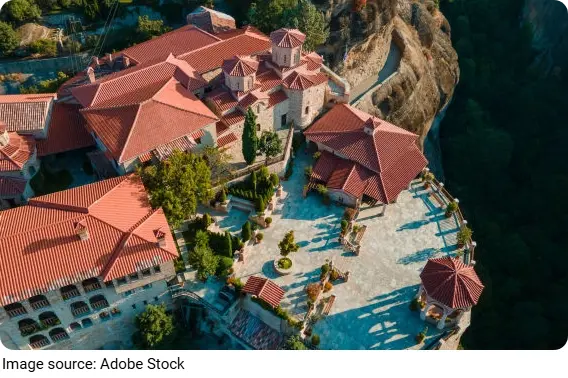
Meteora looks complicated because the rocks are enormous and the monasteries seem unreachable. The actual travel plan is simpler: arrive the previous afternoon, sleep nearby, start early, choose fewer interiors, rest at midday, and return to the viewpoints when the light becomes softer. That is enough to turn a difficult-looking destination into a very manageable two-night trip.