Tooth Pain Without Decay

Owen Murphy
| 10-07-2026
 · News team
A toothache is often associated with dental decay, yet pain can develop even when no cavity is present.
Teeth are supported by complex structures, including nerves, gums, ligaments, and surrounding tissues, all of which can contribute to discomfort under different conditions. Because similar symptoms may arise from different underlying causes, identifying the true source of pain is essential for effective treatment.
Persistent tooth pain should never be overlooked simply because no cavity is detected. Understanding the possible causes of unexplained dental discomfort can encourage timely evaluation, support appropriate treatment, and help maintain long-term dental health.
Tooth Sensitivity Caused by Enamel Wear
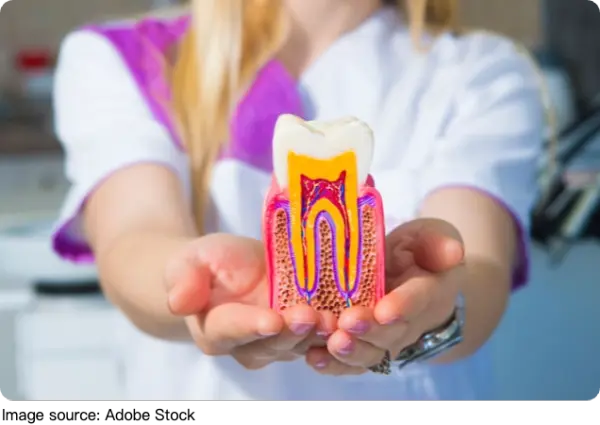
Enamel is the hard outer layer that protects each tooth from daily wear and external stimulation. Although it is the strongest substance in the human body, repeated exposure to acidic foods and beverages, aggressive brushing, or natural wear over time can gradually reduce its protective function. As enamel becomes thinner, the underlying dentin is exposed. Because dentin contains microscopic channels that connect to the tooth's nerve, cold drinks, hot foods, sweet foods, or even cool air may trigger brief, sharp discomfort.
"Tooth sensitivity happens when enamel wears down and exposes the inner layer of your teeth." — Cleveland Clinic.
Unlike pain caused by tooth decay, dentin sensitivity usually occurs only when a specific trigger is present and subsides shortly after the stimulus is removed. Management commonly includes reducing exposure to acidic foods and beverages, using toothpaste formulated for sensitive teeth, and receiving professional fluoride treatments that help strengthen enamel and reduce sensitivity.
Sleep-Related Teeth Grinding
Sleep-related teeth grinding, also known as bruxism, places repeated pressure on the teeth, jaw muscles, and supporting tissues. Morning jaw soreness, discomfort while chewing, flattened tooth surfaces, and occasional headaches are common signs. Even in the absence of decay, continuous grinding may cause tiny cracks or areas of wear that increase tooth sensitivity and produce intermittent pain.
Management often includes the use of a custom-made night guard to reduce pressure on the teeth during sleep. Stress management and relaxation techniques may also be beneficial, as emotional tension is a recognized contributing factor in many cases.
Gum Recession Exposing Sensitive Root Surfaces
Healthy gums protect the roots of the teeth and provide an important barrier against external irritation. As gum tissue gradually recedes, root surfaces become exposed to changes in temperature and contact with food or beverages. Unlike enamel, the root surface has less natural protection, making it more susceptible to sensitivity.
As gum recession progresses, discomfort may become more frequent, particularly when consuming hot, cold, sweet, or acidic foods and drinks. Early assessment can help identify the underlying cause and prevent further progression.
Hidden Structural Damage
Not all tooth damage is immediately visible during a routine examination. Biting hard foods, accidental trauma, or years of repeated chewing pressure may create tiny cracks that are difficult to detect. These small defects can allow external stimuli to reach the inner tissues of the tooth, resulting in discomfort during biting, immediately after pressure is released, or when exposed to temperature changes.
To identify these hidden problems, dental professionals may use magnification, specialized lighting, bite tests, or dental imaging. Early diagnosis improves the likelihood of preserving the affected tooth through appropriate treatment.
Sinus Inflammation Causing Referred Tooth Pain
Tooth pain does not always originate within the teeth. Inflammation of the upper sinus cavities can place pressure on nearby nerves that supply sensation to the upper teeth. As a result, discomfort may be felt in several upper teeth simultaneously, even when the teeth themselves are healthy.
Unlike pain arising from a single tooth, sinus-related discomfort is often accompanied by nasal congestion, sinus pressure, headaches, and symptoms that become more noticeable when bending forward. Treating the underlying sinus condition typically resolves the associated tooth pain without the need for restorative dental treatment.
Why Accurate Diagnosis Matters
Tooth pain is a symptom rather than a diagnosis. Similar symptoms can result from a wide range of dental and non-dental conditions, making a thorough clinical evaluation essential before treatment begins. A comprehensive assessment may include a clinical examination, dental imaging, sensitivity testing, bite evaluation, and a detailed review of symptoms. This systematic approach helps identify the underlying cause and ensures that treatment addresses the condition responsible for the pain rather than the symptoms alone.
Attempting to self-diagnose persistent tooth pain may delay appropriate care and allow minor conditions to progress. Early professional evaluation provides the best opportunity for effective treatment while preserving healthy tooth structure and supporting long-term dental health.
Although dental decay is a common cause of tooth pain, it is not the only explanation. Enamel wear, sleep-related teeth grinding, gum recession, hidden structural damage, and sinus inflammation can all produce similar symptoms through different mechanisms. Because each condition requires a different treatment approach, an accurate diagnosis is essential. Prompt professional assessment helps identify the underlying cause, supports timely treatment, and promotes lasting dental health.