Future Vehicle Design

Caleb Ryan
| 14-07-2026
 · Automobile team
Modern vehicles are becoming more than simple transportation tools. Advances in engineering, materials, and digital technology are transforming vehicle design toward improved performance, efficiency, safety, and driving experiences.
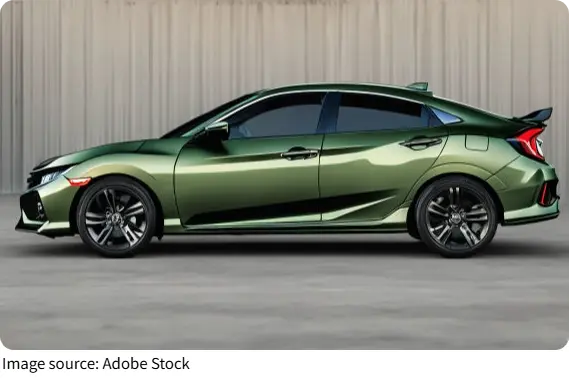
The sleek appearance of modern automobiles reflects the combination of aerodynamic research, intelligent systems, and innovative manufacturing methods that are shaping the future of mobility.
The Evolution of Modern Car Design
Modern car design combines visual appeal with advanced engineering principles. Every curve, surface, and component is carefully developed to improve performance, stability, and efficiency. Designers and engineers work together to create vehicles that balance attractive styling with practical functions.
Aerodynamic shapes help reduce air resistance, allowing vehicles to move more efficiently while improving driving stability. Advanced design techniques also support smoother body structures that contribute to better performance and energy efficiency.
Key Elements of Modern Vehicle Design:
- Aerodynamic Body Shapes: Designed to improve airflow and reduce resistance during movement.
- Lightweight Materials: Help reduce vehicle weight while maintaining strength and durability.
- Advanced Lighting Systems: Improve visibility while creating a distinctive modern appearance.
- Interior Technology Integration: Provides improved comfort, convenience, and driver interaction.
Engineering Behind High-Performance Vehicles
The appearance of a vehicle is closely connected to its engineering. Modern performance vehicles use carefully designed systems to improve handling, acceleration, and driving control.
Engineers analyze vehicle structure, suspension systems, weight distribution, and power management to create a balanced driving experience. These improvements allow vehicles to respond more effectively to different driving conditions.
Important Engineering Features:
- Vehicle Stability Systems: Help maintain control during different driving situations.
- Precision Suspension Design: Improves comfort and handling performance.
- Efficient Power Systems: Support strong performance while improving energy use.
- Advanced Manufacturing Techniques: Create stronger and more reliable vehicle structures.
Technology Transforming Future Vehicles
Technology plays an important role in the development of modern automobiles. Digital systems, sensors, and intelligent controls are changing how vehicles operate and interact with drivers.
Future vehicles are expected to include more advanced assistance systems that improve safety and provide a more connected driving experience. These technologies help support better decision-making and smoother vehicle operation.
Examples of Automotive Technology:
- Smart Driver Assistance Systems: Support safer and more comfortable driving.
- Digital Vehicle Controls: Allow better monitoring and management of vehicle functions.
- Connected Vehicle Features: Enable communication between vehicles and digital systems.
- Energy-Efficient Technologies: Improve sustainability and reduce resource consumption.
The Importance of Exterior Design
The exterior design of a vehicle is not only about appearance. It represents the combination of engineering, function, and innovation.
A modern vehicle’s front design, lighting, body lines, and overall shape are carefully developed to improve both visual identity and performance. The sleek appearance of sports-style vehicles demonstrates how automotive design continues to combine creativity with technical advancement.
Design Priorities Include:
- Improved Aerodynamics: Helps vehicles move more efficiently.
- Enhanced Safety Structures: Supports occupant protection through stronger construction.
- Modern Visual Identity: Creates a unique and recognizable appearance.
- Driver-Focused Design: Supports comfort and control.
The Future of Automotive Innovation
The future of vehicle development will continue to focus on improving efficiency, safety, and driving experiences. Engineers are exploring new materials, intelligent systems, and innovative designs to create vehicles that meet evolving transportation needs.
As technology advances, automobiles will become increasingly sophisticated while maintaining a balance between performance, comfort, efficiency, and sustainability.
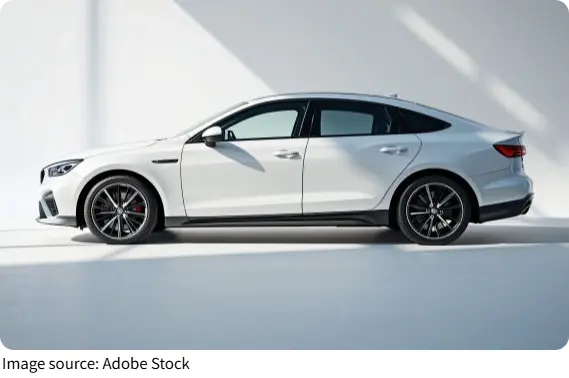
Modern vehicle design represents the combination of engineering excellence, advanced technology, and creative innovation. The sleek appearance of today’s automobiles reflects continuous research focused on improving efficiency, performance, and safety. As automotive technology continues to develop, future vehicles will become more intelligent, efficient, and connected while providing improved experiences for drivers.