Advanced Vehicle Engineering

Simone
| 14-07-2026
 · Automobile team
Modern high-performance vehicles represent the combination of advanced engineering, precision design, and intelligent technology.
Today’s automotive engineers are developing cars that are not only faster but also more efficient, stable, and responsive.
Through improvements in aerodynamics, materials, digital systems, and vehicle structures, advanced engineering is transforming the way performance vehicles are designed and experienced.
The Evolution of High-Performance Vehicle Engineering
High-performance vehicle development has moved beyond increasing power alone. Modern engineering focuses on creating a complete balance between speed, handling, efficiency, and driver control.
Engineers use advanced simulation tools and testing methods to study vehicle behavior before production. These technologies help optimize vehicle shape, structure, and performance while improving reliability and safety.
Aerodynamics and Performance Optimization
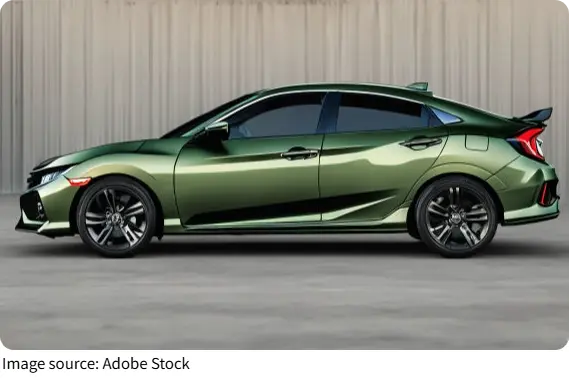
Aerodynamics plays a major role in modern vehicle engineering. The way air moves around a vehicle directly affects speed, stability, and efficiency.
Advanced aerodynamic designs use carefully shaped body surfaces, airflow channels, and optimized vehicle structures to reduce resistance and improve control. At higher speeds, aerodynamic balance helps maintain stability by improving the connection between the vehicle and the road.
Lightweight Materials and Structural Innovation
Reducing vehicle weight is one of the key goals in advanced automotive engineering. Lightweight construction allows vehicles to achieve better acceleration, improved handling, and greater efficiency.
Modern engineers use materials with high strength-to-weight ratios to create strong yet lightweight structures. These materials help improve performance while maintaining the durability and protection required for modern vehicles.
Intelligent Vehicle Control Systems
Technology has become an essential part of high-performance vehicle engineering. Advanced electronic systems continuously monitor vehicle conditions and help optimize performance.
Intelligent control systems can manage factors such as traction, stability, and power delivery. These technologies allow vehicles to respond more precisely to different driving conditions while providing a smoother and more controlled experience.
Advanced Power and Energy Technologies
Modern vehicle engineering is also exploring new approaches to power systems and energy management. Engineers are developing more efficient solutions that improve performance while reducing energy waste.
Future performance vehicles are expected to combine powerful engineering with smarter energy technologies, creating a balance between driving excitement and improved efficiency.
The Future of High-Performance Vehicle Design
The future of automotive engineering will continue to focus on innovation, precision, and intelligent design. Engineers are developing vehicles with improved structures, advanced software, and more efficient systems to meet the changing demands of modern mobility.
As technology continues to progress, high-performance vehicles will become more adaptive, efficient, and advanced while maintaining the performance characteristics that make them distinctive.
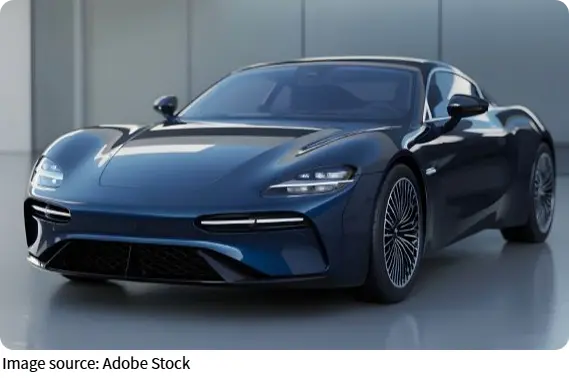
Advanced vehicle engineering is reshaping the future of high-performance car design. Through aerodynamic innovation, lightweight materials, intelligent systems, and improved energy technologies, modern vehicles are achieving new levels of performance and efficiency. The combination of engineering expertise and technological progress will continue creating smarter, more capable, and more advanced vehicles for the future.