Smart Motorcycle Braking

Margot
| 14-07-2026
 · Automobile team
Motorcycle braking systems have evolved significantly through advances in engineering and electronic technology.
Modern motorcycles are no longer dependent only on traditional mechanical brakes; they now use intelligent systems designed to improve stopping performance, stability, and rider confidence.
From improved brake materials to advanced electronic controls, braking technology plays an essential role in creating safer and more responsive motorcycles.
The Importance of Motorcycle Braking Systems
A motorcycle’s braking system is one of its most important safety components. Unlike cars, motorcycles have only two wheels, meaning braking performance must carefully balance stopping power, stability, and control.
Modern braking systems are designed to help riders slow down smoothly, maintain control during sudden stops, and improve confidence in different riding conditions. Engineers focus on creating brakes that provide strong performance while maintaining predictable handling and stability.
Advanced Disc Brake Technology
Most modern motorcycles use disc brakes because they provide reliable stopping power and better heat management compared with many traditional drum brake designs.
Disc brake systems include several key components:
Brake discs: These rotating components connect to the wheels and provide the surface where braking force is applied.
Brake calipers: Calipers press brake pads against the disc, creating friction that slows the motorcycle.
Brake pads: High-quality materials help deliver consistent performance while reducing wear.
Advanced brake designs often use lightweight materials and improved ventilation systems to help control heat during repeated braking.
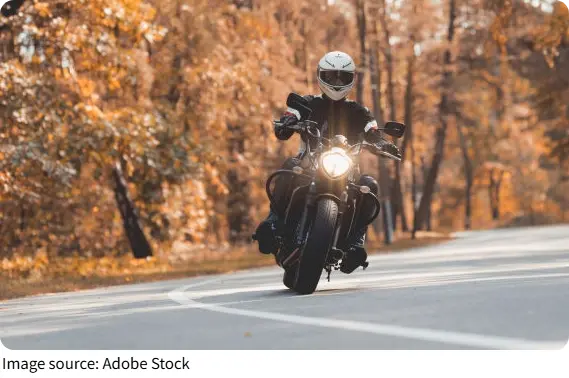
Anti-Lock Braking Systems (ABS)
One of the most important developments in motorcycle safety is Anti-Lock Braking System (ABS) technology.
ABS helps prevent the wheels from locking during hard braking by automatically adjusting brake pressure. This allows riders to maintain better steering control and improves stability during emergency stops.
Modern motorcycle ABS systems can monitor wheel speed and react quickly to changing road conditions, helping improve overall braking safety.
Electronic Brake Control Systems
New generations of motorcycles increasingly use electronic systems to improve braking performance.
These technologies can include:
Brake force management: Electronic systems can help distribute braking pressure more effectively between the front and rear wheels.
Cornering brake assistance: Advanced systems can adjust braking performance while the motorcycle is leaning through a turn.
Sensor-based control: Sensors provide real-time information about wheel movement, allowing braking systems to respond more accurately.
These innovations help motorcycles achieve smoother and more predictable braking performance.
Brake Materials and Engineering Improvements
Motorcycle engineers continue to improve brake components through advanced materials and engineering.
Modern brake systems benefit from:
- Lightweight materials that reduce overall motorcycle weight.
- Heat-resistant components designed for consistent performance.
- Improved brake pad compounds for better durability.
- More efficient cooling systems to reduce overheating.
These improvements allow motorcycles to maintain reliable braking performance during everyday riding and demanding conditions.
The Future of Motorcycle Braking Technology
The future of motorcycle braking will continue to focus on smarter systems, improved safety, and greater rider assistance. As motorcycles become more connected and technologically advanced, braking systems will continue to evolve with more precise sensors and intelligent control features.
Advanced braking technology represents an important step toward safer motorcycle riding. By combining mechanical engineering with electronic innovation, modern brake systems help riders achieve better control, confidence, and protection on the road.

Motorcycle brakes are no longer simple mechanical components; they are advanced safety systems that combine engineering, materials, and intelligent technology. From powerful disc brakes to electronic assistance systems, modern braking technology helps improve stability and riding performance. As innovation continues, motorcycle braking systems will become even more effective, making future rides safer and more controlled.