Future Motorcycle Fuels

Hana
| 14-07-2026
 · Automobile team
Motorcycles have become an important part of modern transportation, offering efficiency, performance, and mobility for millions of riders.
However, most traditional motorcycles still depend on fossil-based fuels, which has increased interest in developing cleaner alternatives.
As technology continues to advance, biofuels and synthetic fuels are emerging as potential solutions for reducing the environmental impact of motorcycle transportation. These innovative fuel options could play an important role in creating a more sustainable future for riders.
What Are Biofuels?
Biofuels are renewable fuels produced from organic materials such as plants, algae, and other biological resources. Unlike conventional fuels made from fossil resources, biofuels are created from materials that can be naturally replenished, making them a promising option for reducing dependence on limited energy sources.
Renewable fuel production
Biofuels can be developed from various biological materials, including agricultural resources and recycled organic matter. Their renewable characteristics allow them to support alternative fuel systems while reducing reliance on traditional fuel sources.
Potential emission reduction
Biofuels can help reduce overall carbon emissions compared with conventional fuels when produced through sustainable methods. The environmental benefits depend on the entire production process, including resource management, transportation, and energy use.
Compatibility with existing systems
Some biofuels can be blended with conventional fuels, allowing certain engines to operate using alternative fuel mixtures. However, motorcycle compatibility depends on engine design and manufacturer specifications.

Understanding Synthetic Fuels
Synthetic fuels are advanced fuels created through chemical processes rather than being directly extracted from natural fossil deposits. They can be produced using sources such as captured carbon dioxide, hydrogen, and renewable energy, creating new possibilities for cleaner fuel development.
Advanced fuel technology
Synthetic fuels are designed by combining chemical elements to create fuel with properties similar to traditional fuels. This allows them to potentially work with existing combustion engine technology.
Cleaner production possibilities
When produced using renewable energy sources, synthetic fuels have the potential to reduce the overall environmental impact of transportation. Their benefits depend on the methods and resources used during production.
Support for existing motorcycles
One advantage of synthetic fuels is their potential compatibility with many current engine designs. This could allow riders to continue using familiar motorcycle technology while adopting more sustainable fuel options.
Benefits of Alternative Motorcycle Fuels
The development of biofuels and synthetic fuels offers several advantages for the future of motorcycle transportation.
Lower environmental impact
Alternative fuels can contribute to reducing greenhouse gas emissions when they are produced and used through efficient and sustainable systems.
Greater fuel diversity
Using renewable resources and advanced fuel technologies creates more energy options and supports a more flexible transportation system.
Future mobility solutions
Biofuels and synthetic fuels represent important steps toward developing cleaner motorcycle technologies while maintaining the performance and convenience riders expect.
Challenges of Alternative Fuels
Although biofuels and synthetic fuels offer promising benefits, several challenges must be addressed before they become widely adopted.
Production and availability
Alternative fuel production facilities and distribution networks are still developing. Expanding accessibility will be important for wider adoption among motorcycle users.
Manufacturing costs
Some advanced fuels require complex production processes, which can increase costs compared with traditional fuel options.
Engine requirements
Different motorcycles have different fuel requirements. Riders must use fuels that match their motorcycle specifications to ensure safe and efficient operation.
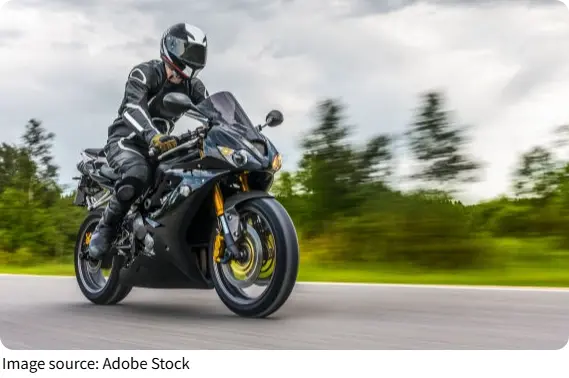
The Future of Motorcycle Fuels
The future of motorcycle transportation is likely to include a wider range of energy solutions. Biofuels and synthetic fuels provide promising opportunities to reduce environmental impact while supporting continued innovation in motorcycle engineering.
As fuel technology improves, these alternatives may offer riders more sustainable choices without sacrificing performance and reliability. The development of cleaner fuels will continue to shape the next generation of motorcycles and contribute to a more efficient transportation future.